
Industrial hinge accessories enhance hinge performance, improve equipment installation, and ensure long-term functionality across sectors like test equipment, control panels, and climate chambers.
Industrial hinge accessories include caps, covers, shims, security pins, and adjustment tools like hinge benders. These components help with alignment correction, tamper protection, aesthetic finishing, and smoother hinge function. They’re essential for maintaining the integrity of industrial enclosures and machinery where precision and durability are critical.
Let’s explore how each accessory supports hinge efficiency in industrial equipment environments.
Hinge Knuckle: The Core of All Accessories
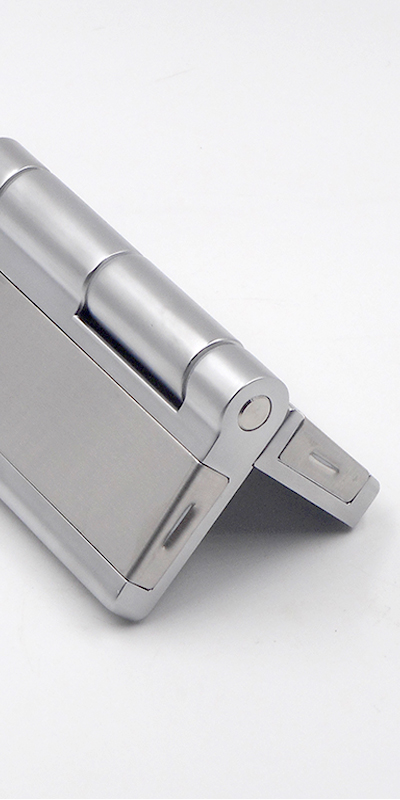
The hinge knuckle is the cylindrical center where motion happens. Many accessories, such as caps and benders, are specifically designed to fit and function around this part.
Hinge knuckle accessories enhance function by protecting, aligning, and stabilizing hinge operations in industrial applications.
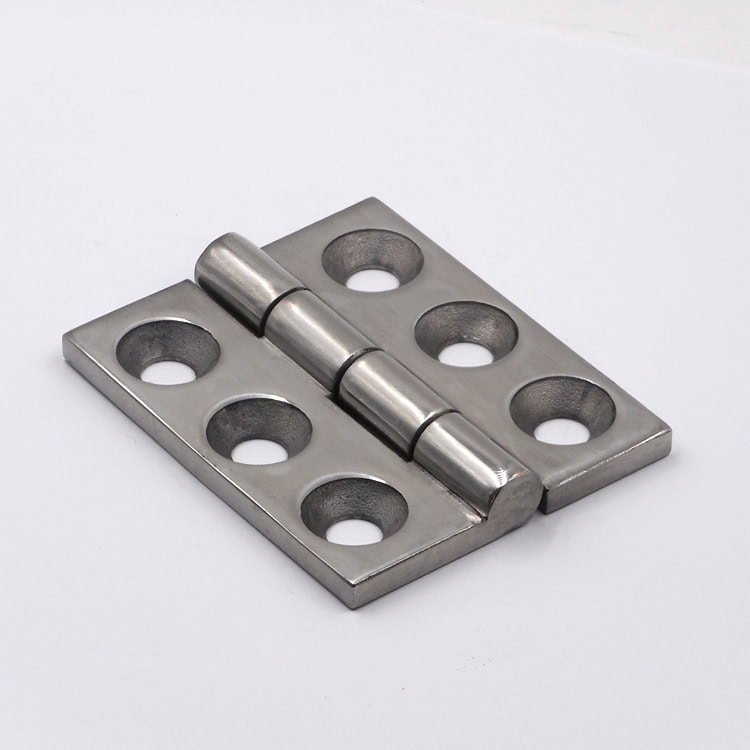
Understanding the Knuckle’s Role in Accessory Use
The knuckle determines how a hinge operates — its rotation radius, load-bearing capacity, and the types of accessories it supports. For instance, in climatic test chamber hinges, the knuckle must withstand high humidity and temperature swings. Accessories like magnetic caps or reinforced pins are critical in these environments.
Ball bearing additions inside the knuckle improve performance for high-frequency doors, such as those on cold storage room hinges. Some knuckles are designed with grooves or retaining features to accommodate security pins or benders.
Industrial Applications and Engineering Considerations
For engineers working on enclosure systems or heavy-access panels, it’s essential to consider the knuckle’s diameter, material, and compatibility with the desired accessory. A slightly oversized cap or ill-fitted pin can lead to failure. The knuckle’s material should also align with corrosion resistance needs, especially in marine hinges and outdoor applications.
| Accessory | Fits On | Function |
|---|---|---|
| Caps | Knuckle ends | Dust protection, aesthetics |
| Bender | Knuckle body | Adjust door position |
| Bearing insert | Internal knuckle | Smoother rotation |
Hinge Caps: Functional and Decorative
Hinge caps snap onto the top and bottom ends of the knuckle. They prevent dust accumulation and improve the finished appearance of the hinge.
Hinge caps are used to protect the knuckle ends and improve the external look of industrial hinges.

When and Why Caps Are Used
In industries where equipment is frequently accessed—like electrical control cabinets or temperature chambers—dust or metal shavings can accumulate inside the knuckle. Caps, whether push-fit or magnetic, block contaminants. They’re especially useful in sensitive gear enclosures where internal friction must remain minimal.
Many special hinges are shipped with removable caps to allow for maintenance and cleaning. They also help in color-coding or branding custom OEM parts by using different finishes like brushed aluminum or oil-rubbed bronze.
Design Considerations for OEM Use
For buyers looking to rebrand hinge components, caps can be laser-etched with logos or color matched to company equipment. Common materials include ABS plastic, stainless steel, and aluminum. Push-fit models are faster to install, while magnetic caps provide a clean, tool-free aesthetic in specialized settings.
Hinge Covers: Concealing the Structure
Hinge covers are designed to mask the hinge leafs, offering a cleaner and more uniform look, especially when parts of the hinge are exposed on visible machinery.
Hinge covers improve visual consistency and can hide leaf discrepancies in size, finish, or condition.
Creating Aesthetically Cohesive Equipment Panels
In the case of piano hinges used on long access panels, one leaf might be exposed while the other is recessed into the equipment. Covers help maintain a uniform appearance. This is particularly important for panels on devices displayed to customers or in environments like data centers.
Stained or oxidized hinges—common with frequent cleaning or exposure to humidity—can be concealed without replacement. Covers can also be specified in flame-retardant or corrosion-resistant materials.
Enhancing Performance and Design Compatibility
Manufacturers producing aluminum hinges often offer matching covers in powder-coated or anodized finishes. This allows the buyer to meet strict visual and operational standards in industrial ovens, telecom boxes, and server racks. Some covers include snap-lock features for easy installation during final assembly.
Hinge Shims: Correcting Alignment
Hinge shims are thin plates used to adjust the hinge position during installation. They are crucial in fine-tuning door alignment, particularly in heavy-duty applications.
Shims solve misalignment issues by adjusting the depth or tilt of the hinge leaf during installation.
Practical Use Cases in Field Installations
Shims are invaluable during on-site assembly of heavy-duty enclosures and doors. If a door sags or doesn’t close flush, inserting a shim behind the hinge leaf can realign it. Common materials include stainless steel, plastic, or zinc-coated steel. They’re also used in weld on hinges where post-weld positioning is harder to adjust.
In critical-use environments like climate control or data rooms, even a 1mm misalignment can affect sealing and airflow. Shims allow quick, precise adjustments without re-drilling or removing the hinge.
Precision and Load Considerations
Industrial buyers often request shims pre-measured and matched to hinge models for consistent installation across production lines. Some even include etched guidelines to indicate thickness. They’re typically sold in packs with variable sizes for field adjustments.
Security Pins: Anti-Tampering Assurance
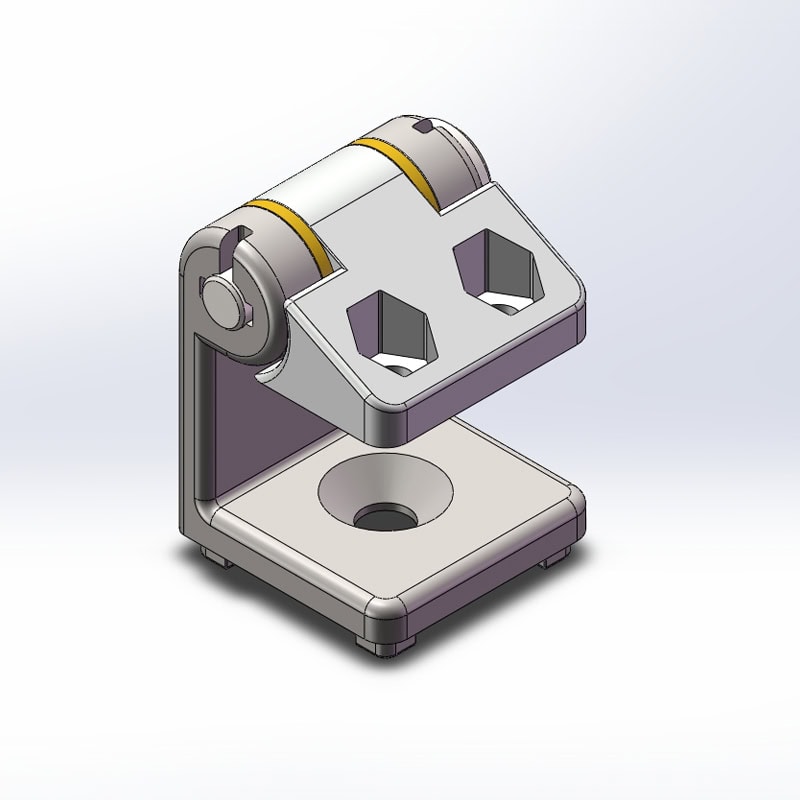
Security pins add an extra locking mechanism to prevent hinge removal from the outside, especially for outward-swinging doors.
Security pins keep the hinge leafs fixed even when the main pin is removed, enhancing tamper resistance.
Why Security Is Crucial in Industrial Settings
Outward-facing doors on power distribution units, telecom cabinets, or chemical storage rooms are high-risk. Without security pins, an intruder could remove the pin and gain access. Security pins, especially on outdoor industrial hinges, eliminate this risk by holding the leafs together from the inside.
These pins are installed during hinge manufacturing or can be retrofitted. In some OEM setups, they’re welded into position to prevent removal.
Choosing the Right Pin Type
Options include non-removable pins, set-screw models, or concealed pins. Each offers a different balance of strength, ease of use, and price. For heavy or vibration-prone applications like generator housings, anti-loosening variants are ideal.
Hinge Bender: Alignment Adjustment Tool
A hinge bender is used to adjust door alignment by twisting the hinge knuckle, typically during final assembly or maintenance.
Hinge benders fine-tune the door position by bending the hinge knuckle to achieve perfect closure.
Quick Adjustments During Final Fit-Out
When a panel or enclosure door slightly misaligns after installation, a hinge bender is the fastest correction tool. It slips over the knuckle and twists gently to adjust the door angle. Unlike removing and reinstalling the entire hinge, this tool allows minor tweaks with precision.
In mass production of electrical enclosures using detachable hinges, hinge benders reduce assembly time and avoid rework due to hinge misplacement.
Tool Design and Limitations
Hinge benders are made of hardened steel with various size openings to match different hinge knuckles. However, care must be taken not to over-torque the knuckle, especially on soft metals like brass or aluminum.
Conclusion
Hinge accessories improve both performance and appearance in industrial applications. Selecting the right components ensures longer equipment life and efficient operation.