
Many engineers doubt whether aluminum gate hinges can endure serious industrial stress. Here’s what decades of field data say.
Aluminum gate hinges can be strong enough—if engineered for industrial duty. Proper alloy selection, hinge geometry, and mounting strategy determine their performance. While lighter than steel, high-grade aluminum with sufficient wall thickness, precision tolerances, and corrosion protection can meet industrial load demands. Always assess torque loads and hinge weight rating, not just material alone.
They look light—but under stress, looks mean nothing.
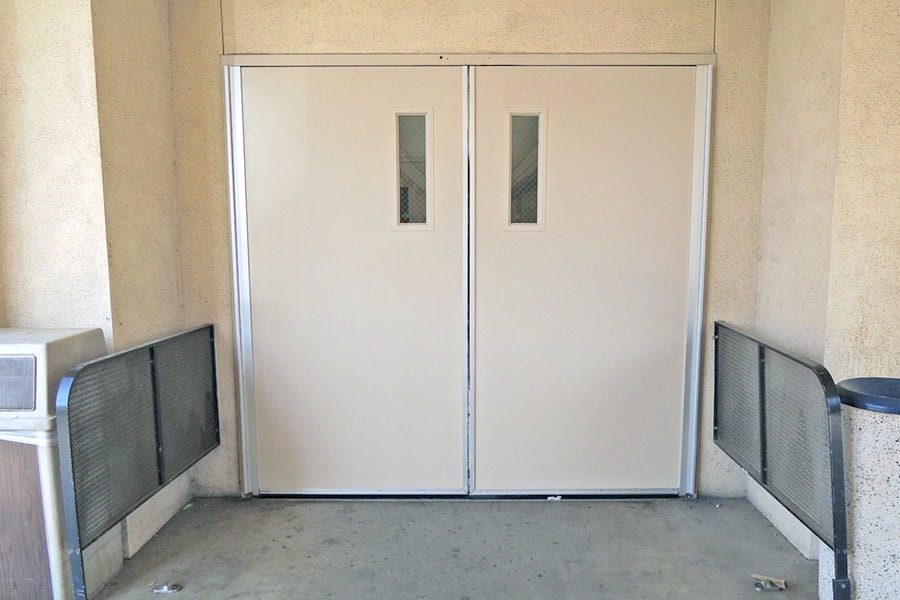
Aluminum Gate Hinges Compared to Steel
Lightweight aluminum doesn’t mean weak, but it does mean you must engineer more carefully. Compared to steel, aluminum gate hinges have lower yield strength, but when using high-grade alloys like 6061-T6 with proper hinge geometry, they can still handle respectable torque loads. Torsional rigidity, not static load capacity, is the weak link for poorly designed aluminum hinges. Oversized hinge barrels and reinforced pins compensate for lower base metal strength.
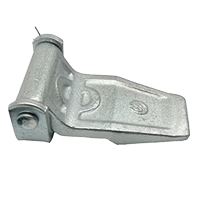
Heavy duty weld on hinges offer a clear contrast. Steel weld-on options are often chosen when hinges must handle extreme mechanical abuse or forklift-impact doors. But I’ve seen aluminum hinges with correct gusseting survive in cleanroom access gates—low corrosion, medium weight, high cycle.
If you’re comparing metal types, choose the right marine hinges when corrosion trumps brute strength. Aluminum resists oxidation but gets outclassed by stainless in continuous salt spray.
How Load and Use Frequency Influence Aluminum Hinge Performance
The devil isn’t in material—it’s in repetition and leverage. Aluminum hinges are more prone to fatigue-related failures than one-time overload breakage. Frequent opening cycles, especially in automated systems, can gradually wear the hinge pivot or stretch the mounting holes. Poor alignment multiplies this risk.
We once saw a gate fitted with wide-throw hinges where the frame flexed during each open/close. Even though the hinge metal was sound, the repeated torsion led to pin slippage. The root cause? Overestimating strength by just looking at the material—not accounting for mounting stress.
The mounting post is part of your strength system. If you’re bolting an aluminum hinge onto a thin-walled aluminum post, the flex might cancel out your torque capacity. Oversize backplates and a properly braced weld line can help redistribute load.
Key Design & Material Factors That Determine Strength
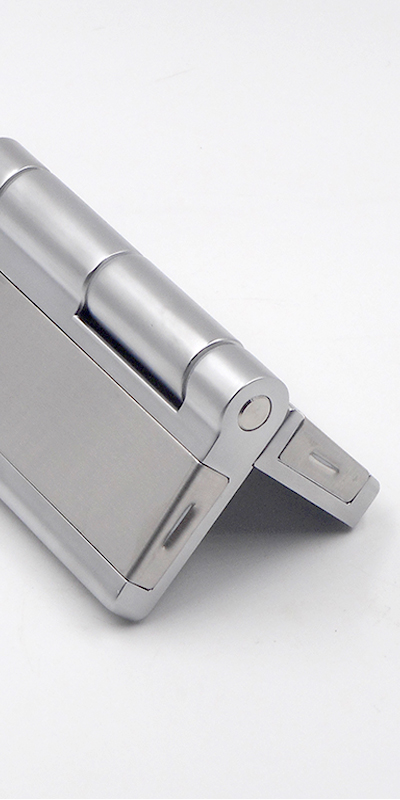
Geometry often beats raw material in real-world hinge design. Thicker hinge knuckles, larger pin diameters, and tighter tolerances are more influential to hinge strength than the metal type itself. That’s where Adjustable Torque Stainless Steel Hinge design logic helps: it focuses on sustained motion control, not just static hold.
Don’t just choose aluminum—choose the right aluminum. 6061-T6 is the minimum you want for real mechanical strength. Avoid decorative alloys unless all you’re lifting is a signage flap. Surface treatments like anodizing or powder coating don’t just protect—they harden the outer layer and prevent galling under stress.
I’ve seen a plant swap out budget hinges for a milled-body, deep-pivot heavy duty flush hinge, and double the hinge lifespan under daily 400N door stress. Cost went up 20%. Downtime dropped 80%.
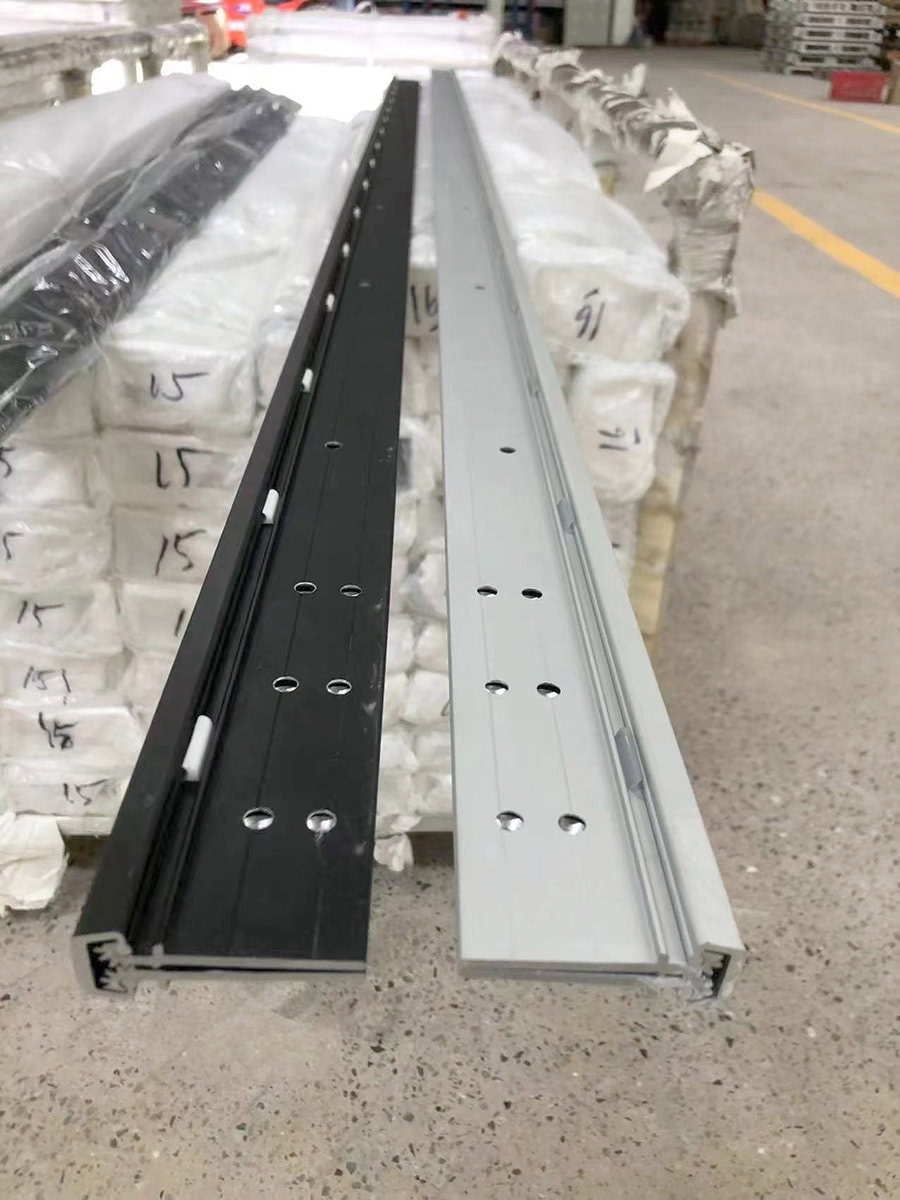
When Aluminum Hinges Are Appropriate in Manufacturing Contexts
Think use-case, not material first. Aluminum hinges shine in medium-load, high-corrosion, or portable industrial enclosures. This includes HVAC access panels, machine guards, and test chambers. The lighter weight makes them ideal where door automation systems are sensitive to load inertia.
If the application faces intermittent human use, low-speed opening, and less than 20 kg panel mass, a robust aluminum hinge often outperforms heavier steel options—especially when rust is a concern. In low-oxygen clean environments or constant humidity zones, aluminum wins longevity even if its brute strength is lower.
For electrical enclosures in coastal facilities, aluminum beats uncoated steel. We recently recommended Electrical Panel Hinges in aluminum to a Singapore-based OEM, where stainless steel would’ve driven up costs with no cycle-life gain.
Practical Load Considerations and Engineering Design Tips
Hinge failures are rarely about “bad metal”—they’re about bad math. To verify if aluminum hinges are strong enough, calculate torque loads based on door width, not just weight. Torque = Door Weight × Distance from Hinge Center. Then, add a safety factor of 2x minimum.
Adding more hinges? Be careful. As engineers debated on Reddit, extra hinges can introduce misalignment and stress peaks if the mounting isn’t perfect. When retrofitting, always remeasure door sag under full load.
Use a Butt Hinge Jig if you’re hand-fitting hinges into metal doors—it ensures cleaner alignment and reduces twist load. When specifying hinges, review hinge radius tolerance, pin material, and lubrication method. These micro-details determine fatigue life more than alloy branding.
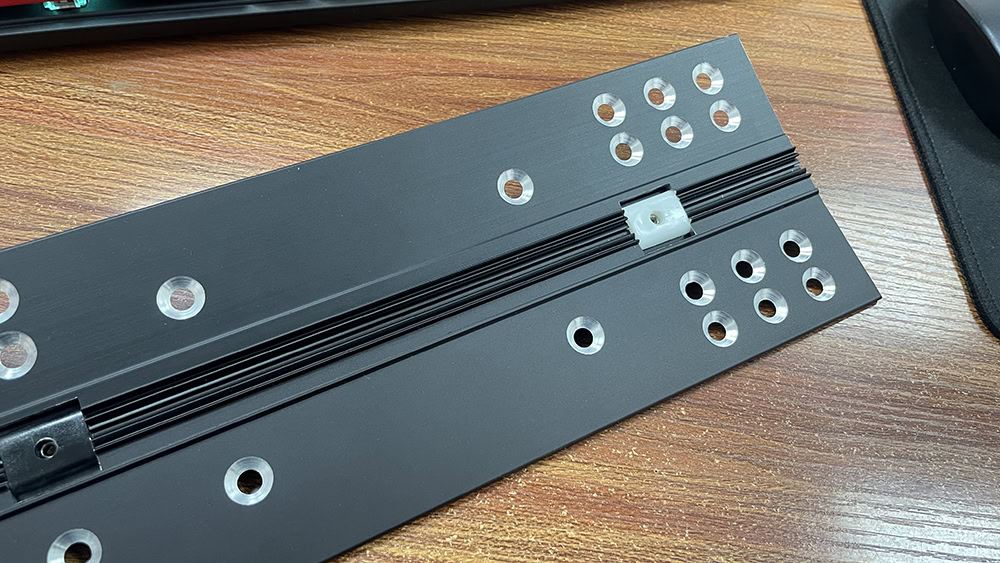
Comparing Aluminum Hinges to Alternatives in Industrial Use
Not all metals tell the same story under load. Steel and stainless outperform aluminum in raw strength—but not always in total cost or lifecycle. If the door rarely moves or if you need absolute stiffness, yes, steel wins. But for mobile lab carts, light-duty cabinets, or corrosion-exposed panels, aluminum gives a better balance.
In fact, Replace Industrial Door Hinges projects often involve moving from corroded mild-steel to aluminum with a hardcoat. The goal isn’t more strength—it’s fewer replacements.
I’d only avoid aluminum when:
-
The panel exceeds 100 kg.
-
You need vandal-resistance or impact protection.
-
You’re welding to hardened steel frames.
In most other cases, a precision-machined aluminum hinge with proper mounting can hold its own.
Conclusion
Aluminum gate hinges can be strong enough—but only when engineered, not assumed. Choose high-grade alloy, proper geometry, and match it to real-world load paths. Then, it holds.