
Industrial driveway gates aren’t decorative—they’re functional stress points. The wrong hinge type leads to sagging, misalignment, and costly downtime.
Weld-on hinges offer greater load transfer integrity, while bolt-on hinges provide modular installation and easier field replacement. The better choice depends on load, maintenance frequency, and site conditions.
Whether you’re outfitting a logistics yard or a security perimeter, your hinge choice will determine how long that gate lasts under real-world conditions.
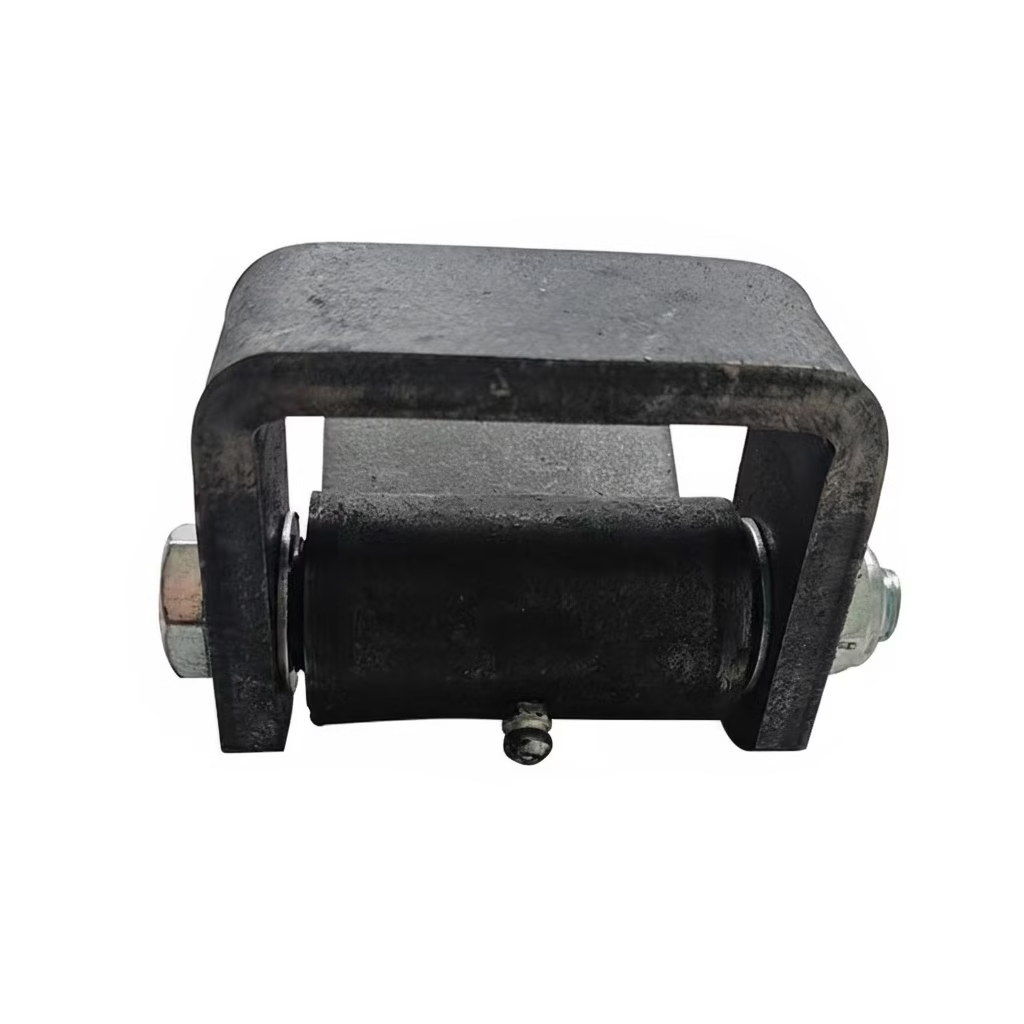
Heavy Duty Gate Hinges — Core Functions and Industry Criteria
Heavy duty hinges in industrial gate systems serve more than just a pivoting function—they handle dynamic loading, environmental exposure, and long-term mechanical fatigue. The mistake many procurement engineers make is choosing a hinge by visual bulk rather than analyzing the Hinge Weight Rating and stress path.
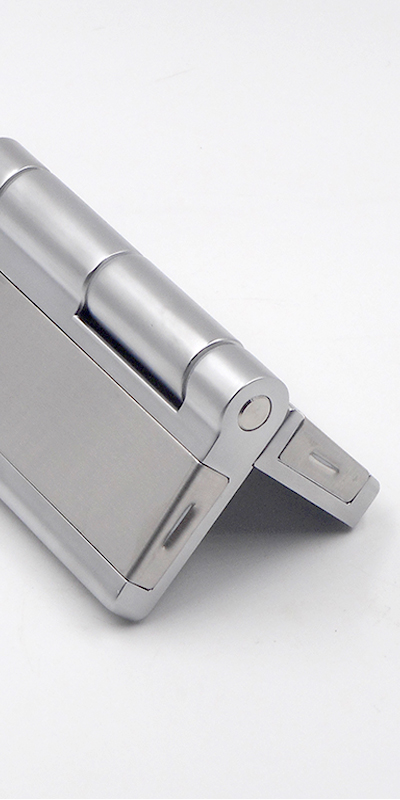
A proper heavy duty hinge is engineered around load class, mounting substrate, operational frequency, and exposure. In corrosive environments—like coastal zones—hinges like 316 Stainless Marine Friction Hinges outperform generic stainless by resisting chloride pitting and stress cracking.
I’ve seen gate systems where low-cost zinc or mild steel hinges fail within a year, simply because the designer didn’t account for lateral vibration loads. Industrial hinges aren’t a catalog part—they’re part of the gate’s structural logic. Heavy duty hinges for driveway gates should meet structural torque and fatigue standards, resist corrosion, and integrate into the gate’s support frame—not float as add-ons.
Weld‑On Hinges — Manufactured Strength and Permanent Integration
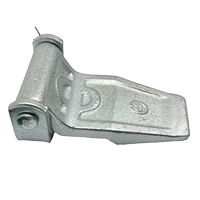
Weld-on hinges are designed to become one with the gate structure. When correctly installed, they form a continuous load path from the gate to its supporting post, minimizing micro-movement and rotational creep. This makes them ideal for gates subject to repeated dynamic loading—like facility entrance gates that cycle 50+ times per day.
The biggest benefit is structural stiffness. Welded-on units like heavy duty weld on hinges don’t rely on fastener preload, which can degrade under vibration or corrosion. Instead, the hinge and mounting arm effectively act as a single component. However, they require skilled welding and precise fixture alignment during installation. Weld-on hinges provide superior mechanical stiffness, fatigue resistance, and security—ideal for gates that stay in place and must stay operational.
They’re commonly used in environments like military perimeters, factories, and long-span industrial gates where torsion and bending loads are significant. A poorly aligned weld-on hinge, however, leads to gate binding or hinge pin fatigue. You can’t just grind it off and redo it easily—accuracy from the start is non-negotiable.
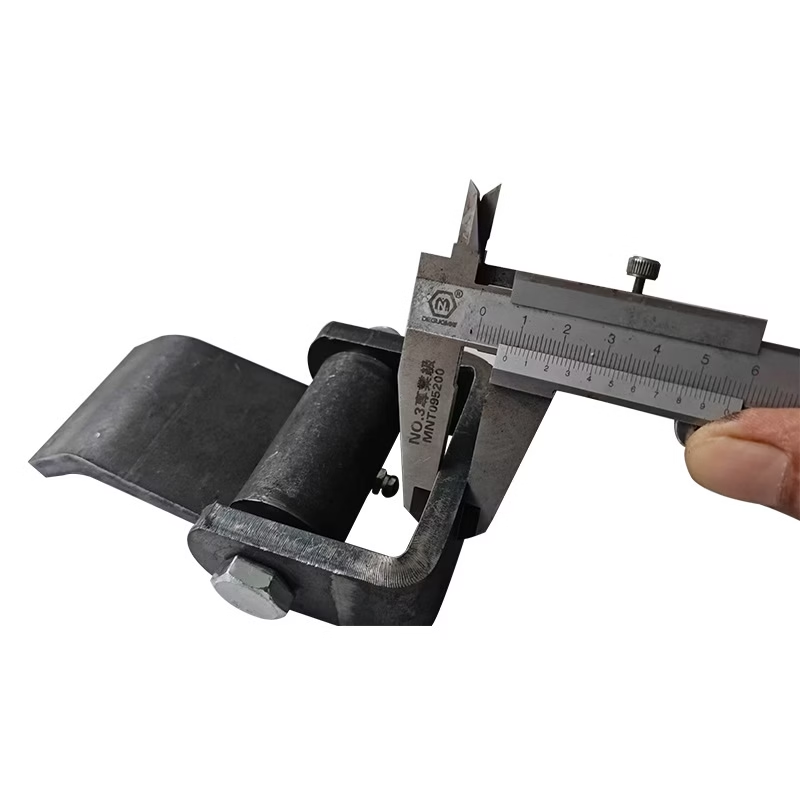
Bolt‑On Hinges — Modular Assembly and Field Flexibility
Bolt-on hinges shine in modular systems where speed of deployment and field replacement are crucial. They’re installed using mechanical fasteners—typically high-strength bolts through pre-drilled holes. This allows adjustments during installation and quicker maintenance access.
Their main selling point is flexibility. For sites that don’t have welding equipment or require frequent hinge replacement—such as logistics centers with frequent wear cycles—bolt-on hinges make life easier. When combined with alignment shims or adjustable cam plates, they can be recalibrated on-site. Bolt-on hinges offer field adaptability and easy maintenance, but depend on fastener integrity and correct torque application for long-term performance.
A key pitfall is under-torqued bolts. I’ve walked factory yards where gates vibrated loose in six months because nobody checked bolt tension after install. High-cycle environments need periodic bolt retightening or the use of locking compounds. Also, bolt-on options are more vulnerable to theft or tampering, which may matter in high-security installations.
Weld‑On vs Bolt‑On — Technical Comparison for Industrial Gates
| Comparison Point | Weld‑On Hinges | Bolt‑On Hinges |
|---|---|---|
| Load Transfer Efficiency | Excellent (integrated structure) | Good (dependent on bolt integrity) |
| Installation Flexibility | Low (requires skilled welding) | High (modular, faster field setup) |
| Long-Term Durability | High (if properly aligned) | Moderate to High (requires checks) |
| Maintenance | Complex (grinding and rewelding) | Easy (unbolt and replace) |
| Security & Tamper Risk | Very Low | Moderate to High |
Weld-on is the engineer’s choice when gate motion needs to be rock-solid over 5–10 years. Bolt-on is the maintenance team’s friend for fast turnaround and minimal disruption. The choice comes down to what kind of pain you’re prepared to manage—initial setup vs. ongoing upkeep.
Material and Surface Considerations in Heavy Hinges
Material matters more than most buyers realize. Cold-rolled mild steel may seem sufficient—until you expose it to humidity and cyclic loads. For gates exposed to the elements, materials like 316 stainless or zinc-die coated alloys offer significantly longer service life.
Surface finishing also affects longevity. Hinges with galvanizing, phosphate coating, or epoxy layers handle chemical and salt exposure better than untreated steel. For instance, heavy duty exterior hinges with marine-grade coating can withstand 1,000+ hours of salt spray testing without pitting.Don’t just look at the hinge material—analyze its coating, plating, and post-processing, especially for outdoor or corrosive zones.
Thermal expansion is another sleeper issue. Welded hinges in dissimilar metals (e.g., aluminum gate on steel post) can suffer from thermal creep unless isolators or expansion joints are used. I always recommend matching materials or using compensatory mounts.
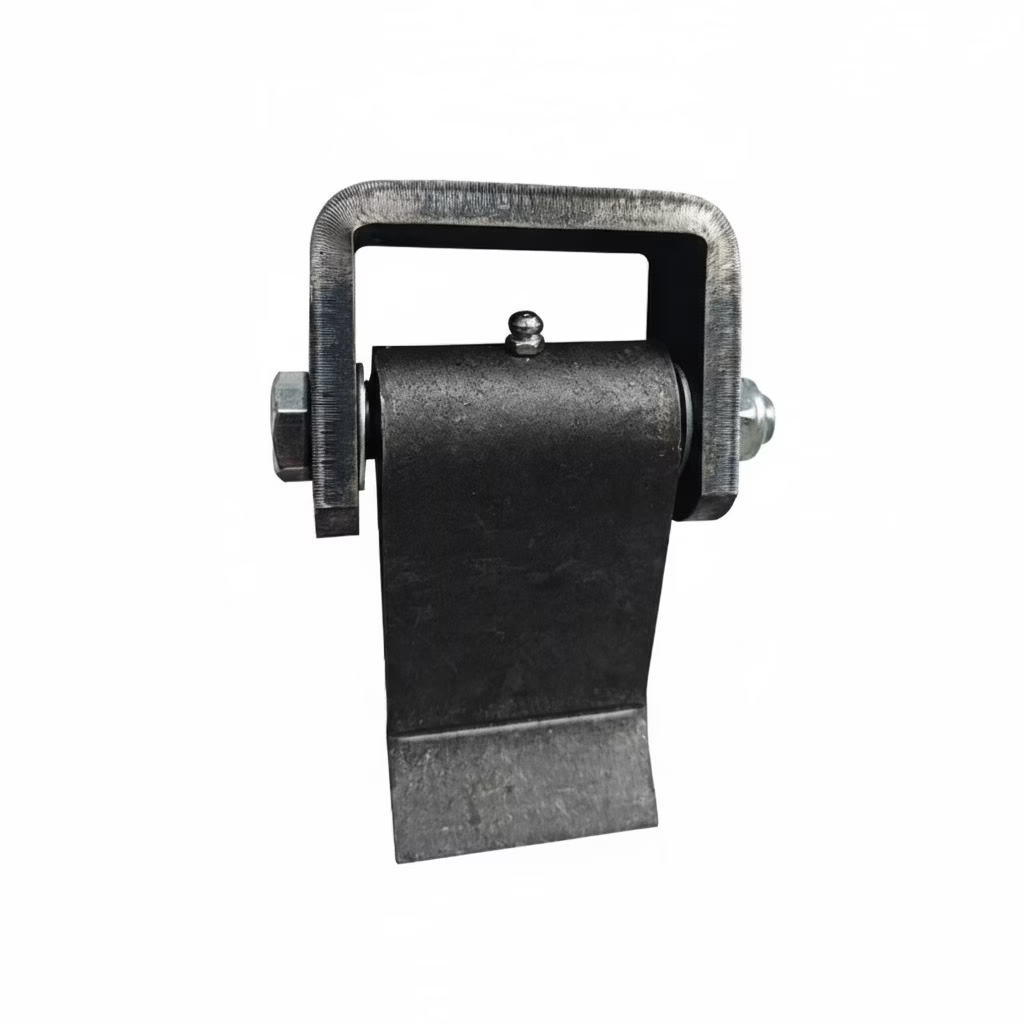
Field Testing & Long‑Term Failure Modes
Any heavy duty hinge system should be field-tested for both load capacity and fatigue. Static weight isn’t enough—you need to evaluate under cyclic load, especially in applications with vehicle vibrations or wind loads.
Common failure modes:
-
Weld fatigue cracking from poor penetration
-
Hinge pin wear from unlubricated movement
-
Bolt loosening in high-vibration environments
-
Bracket distortion from misalignment or over-torque
Use periodic inspections and maintenance logs to track hinge wear—ignore it, and you’ll be replacing more than just the hinge. A smart practice is to spec hinges with Adjustable friction hinges or integrated lubrication ports to extend life and reduce frictional fatigue. Also, make sure hinge geometry matches gate weight and center of gravity—otherwise, even the best hinge will underperform.
Decision Framework and Application Scenarios
Here’s a basic rule of thumb:
-
Static-heavy, high-security gate with rare servicing access? Go weld-on.
-
Moderate-weight, often serviced or adjusted? Go bolt-on.
-
Coastal or chemical environment? Choose coated stainless.
-
Mission-critical facility? Use lab-tested hinges with load-cycle certifications.
If the gate is part of a broader automated system or integrated security loop, hinges like electrified butt hinge can support sensors or actuation systems—something bolt-ons may accommodate better due to wiring flexibility. Make your choice not by catalog photos—but by engineering logic and application needs. The hinge isn’t a part. It’s a pivoting anchor that defines how the whole gate performs.