
Even with the best materials, industrial shed doors sag—unless the hinge system fights back with design-grade strength.
Yes, heavy duty shed door hinges can effectively prevent sagging over time when correctly specified, installed, and maintained. They distribute loads more evenly, resist fatigue, and sustain alignment under dynamic stress. However, the wrong hinge type, incorrect installation, or under-rated fasteners can still lead to structural sag.
Heavy doors demand precise mechanics. Here’s how to outmatch gravity—long-term.
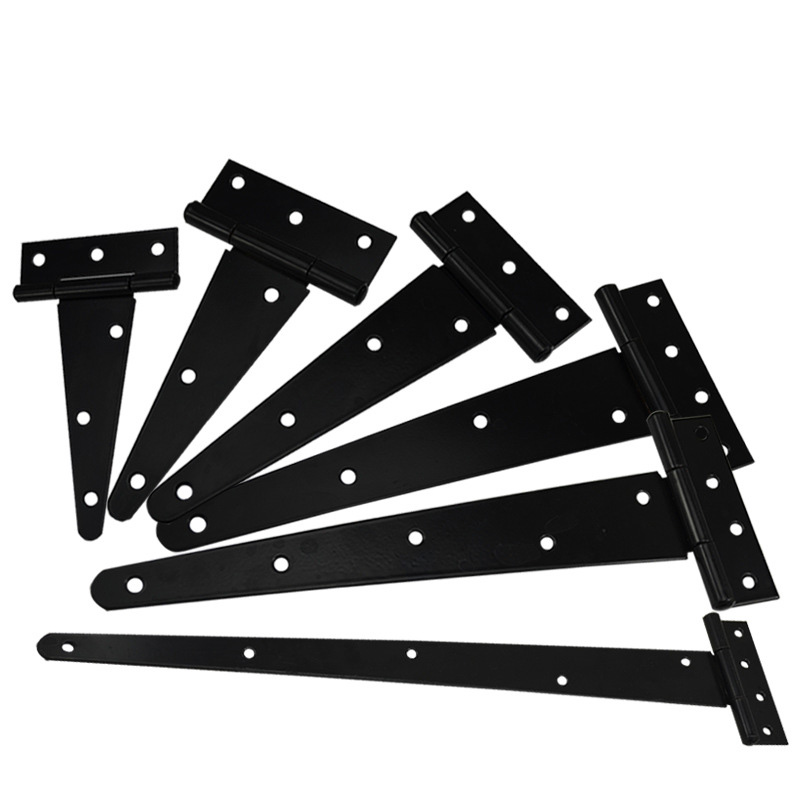
Why Shed Door Sag Happens in Industrial Contexts
Sag isn’t just weight pulling down—it’s mechanical fatigue in action. Industrial shed doors sag because standard hinges fail to counter long-term torque, axial stress, and door misalignment. Misalignments during install, unsupported door edges, and cheap hinge pins are all real-world culprits.
I’ve seen field enclosures where the door started scraping the ground within six months—because someone used low-cost butt hinges for doors designed for cabinetry. In rugged environments, especially when wind, vibration, or repeated use is involved, hinges become stress points. Oversized doors with uneven weight distributions accelerate metal fatigue, especially if the hinge radius isn’t matched precisely to the door’s frame alignment.
Load Ratings, Materials & Design of Heavy Duty Hinges
Heavy duty hinges don’t just look stronger—they engineer stress away. Proper heavy duty hinges are defined by their weight rating, fatigue resistance, and ability to maintain alignment under fluctuating stress. Choose hinges with ball bearings, solid pin construction, and load spread geometry.
For instance, we’ve replaced numerous OEM hinge sets on industrial ovens where adjustable friction hinges outperformed original brass options. Why? Heat cycling distorted hinge alignment, and only precision hinges with spring torque compensation maintained position over time.
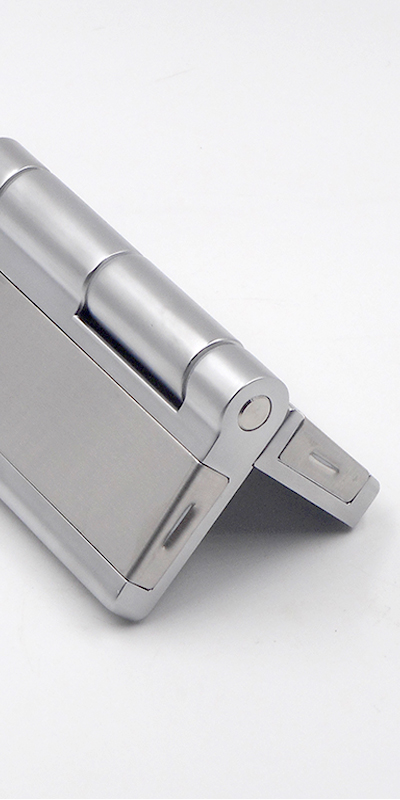
Material also plays a massive role. While 304 stainless may be enough in dry environments, for salt-laden or chemical-heavy sites, 316 stainless marine friction hinges show far longer hinge lifecycle and zero corrosion-induced binding.
Aligning Hinges to Prevent Sag: Application Insights
Hinge alignment is not a cosmetic issue—it’s structural insurance. Correct alignment of heavy duty hinges minimizes torsional distortion, hinge fatigue, and prevents sagging at the pivot. The more off-center your hinge axis, the faster your door drifts out of square.
We use laser jigs on clients’ sheet metal boxes during assembly to ensure the hinge axis stays dead straight. Even minor angular error can create compounding stress when the door is opened and closed repeatedly. Plus, undersized screws into thin door skins often lead to tear-out under fatigue.
You’ll often see sag in sheds that use only two hinges for doors over 1.8 meters tall. We recommend at least three hinges—with a reinforced top hinge that carries the most load. Alternatively, wide-throw hinges give extra leverage by projecting farther from the frame and decreasing pin-to-frame torque.
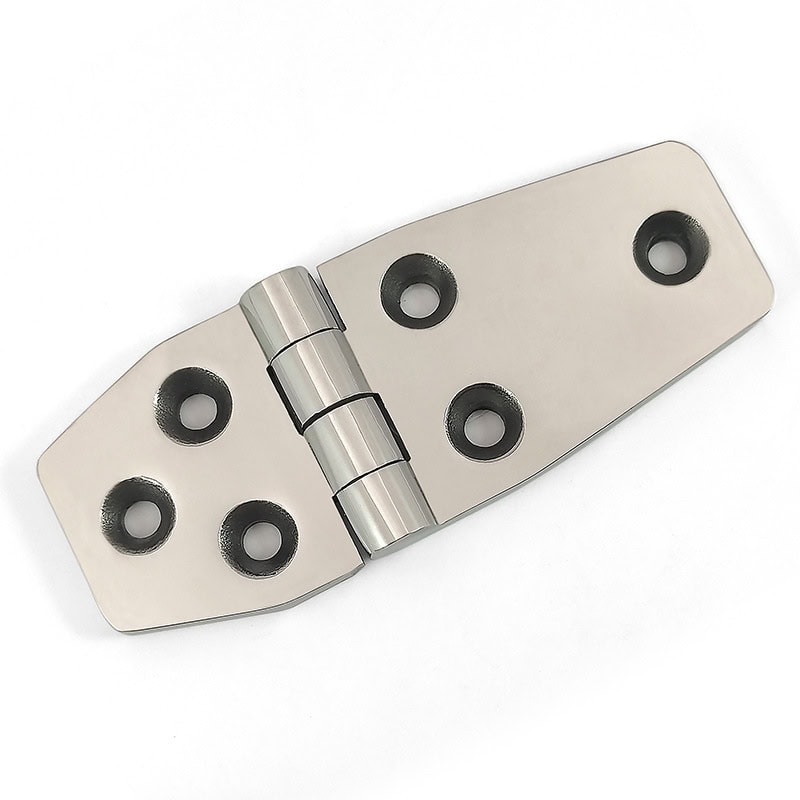
Door Structure & Brace Integration: Preventing Frame-Dependent Sag
Even the best hinges can’t compensate for a weak frame. Bracing the door frame with steel tubing or tension rods reduces diagonal racking and offloads the hinge torque. Heavy doors without internal skeletons deform under their own weight, especially during operation.
We once retrofitted a double-leaf industrial test chamber using a heavy duty flush hinge system, but sag persisted. The root problem? The doors flexed due to an unbraced aluminum core. Adding diagonal tension cables with turnbuckles brought the structure back into spec—and sag stopped entirely.
A well-balanced system includes anti-sag kits and internal cross-bracing welded or bolted across the interior face. Remember: hinges don’t carry the entire responsibility; they transfer force into something else. That ‘something’ better be stiff.
Fasteners & Frame Attachments: The Hidden Hinge Killer
A hinge is only as good as the fastener behind it. Incorrect fasteners cause hinge movement, loss of torque retention, and eventual sag—even with top-tier hinges. Using undersized screws or non-penetrative welds will doom the system over time.
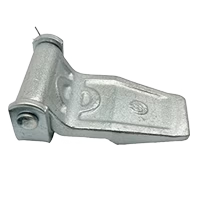
Our recommendation? Use M6 or M8 grade bolts with backing plates on thin metal skins. Avoid wood screws or pan heads unless using industrial-grade anchors. For permanent structures, heavy duty weld on hinges outperform mechanical fasteners and eliminate movement altogether—if the welds are structurally sound.
Also, tighten inspection intervals. A sagging door rarely happens overnight—it’s progressive. Loosened fasteners and hinge backing plates start to shift microscopically, showing stress cracks long before a visible sag occurs.
Long-Term Wear, Maintenance & Hinge Lifecycle
Preventive hinge care saves thousands in repairs. Even heavy duty hinges wear—via pin friction, bushing fatigue, or corrosion—and need scheduled inspections to maintain performance. Neglecting lubrication and fastener torque checks will gradually cause door sag.
We’ve seen electrical enclosure manufacturers budget hinge replacements every three years. But those using electrical panel hinges with sealed stainless bushings extended lifecycle to 8+ years with minor upkeep.
What matters isn’t just the initial performance—but how long it holds up under fatigue. In high-frequency use environments like food processing or energy plants, installing over-spec hinges is cheaper than unscheduled downtime or regulatory penalties due to stuck doors.
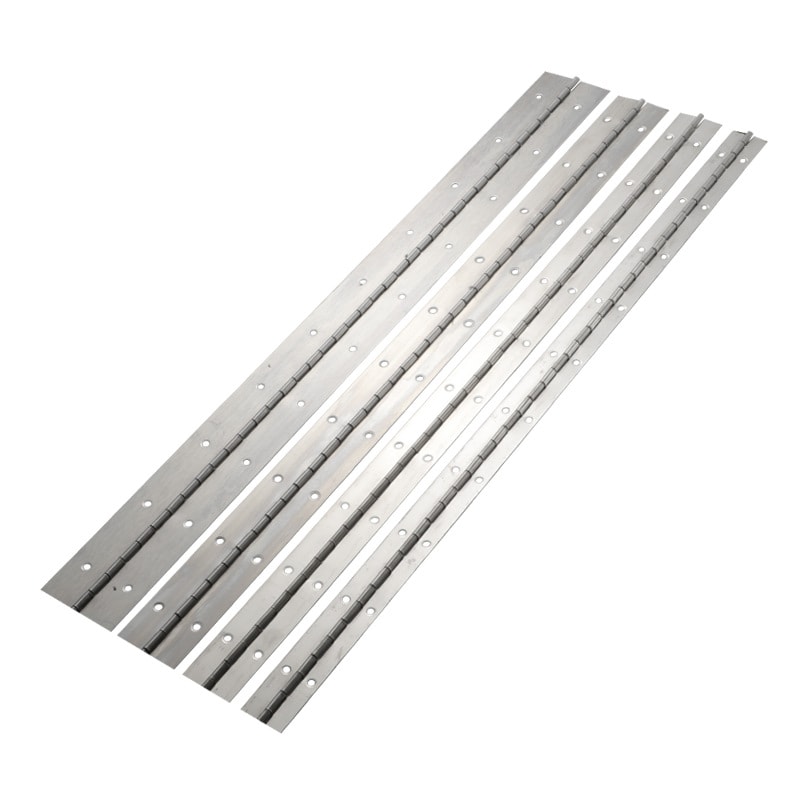
Field Failures: Sagging Hinge Case Study
Failures don’t lie—they teach. At a client’s offshore platform, sagging double doors were impeding access to fire control panels. The culprit? Misaligned weld-on hinges combined with frame deformation. Replacing them with heavy duty detachable barrel hinges and reinforcing the door frame with a tubular brace eliminated the issue. Lesson learned: hinge upgrades don’t solve systemic weakness.
Use failure data. If 3 out of 10 field units report sag, conduct root cause analysis across hinge specs, installation method, and door/frame interaction.
Expert Checklist: Preventing Sag with the Right Hinge Strategy
| Factor | Best Practice |
|---|---|
| Door weight | Match or exceed hinge rating by 20% |
| Hinge material | Use 316 SS or galvanized steel for outdoor/chemical areas |
| Installation | Align pin axes, use minimum 3 hinges for tall doors |
| Frame structure | Add internal braces or anti-sag kits |
| Fasteners | M6/M8 bolts with backing plates or full welds |
| Maintenance | Quarterly torque checks + lubrication |
Conclusion
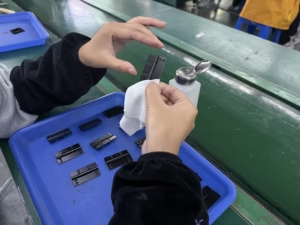
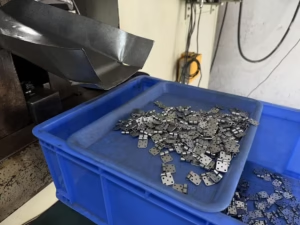
Heavy duty shed door hinges can stop sag—but only if the door structure, fasteners, and alignment play their part. Build the system, not just the hinge. If you’re sourcing industrial-grade hinges or need a custom solution for a sagging door issue, talk to us at IHINGES—we’re a hinge factory with years of hands-on experience helping engineers, OEMs, and industrial buyers solve real alignment and load-bearing challenges.