
Choosing the wrong hinge for a load-bearing industrial door isn’t just a mistake—it’s an invitation to catastrophic failure.
Extra heavy duty weld on hinges are engineered for high-load industrial doors, but not all of them are built the same. The wrong selection can cause door sag, pin deformation, or even complete system failure under stress.
Don’t let your decision rest on assumptions. Let’s walk through how to choose the right hinge that won’t let your door—or your reputation—fall.
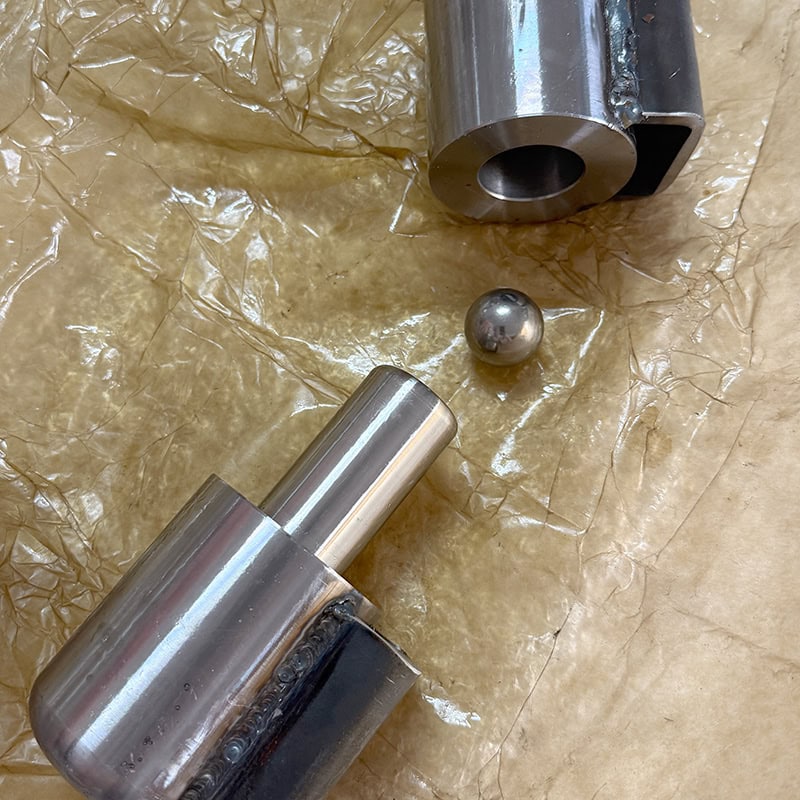
What Are Extra Heavy Duty Weld On Hinges
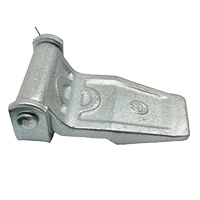
These hinges are purpose-built for environments where removable fasteners aren’t practical, and bolted-on solutions loosen under stress. The weld-on design ensures rigid integration between hinge and frame, allowing it to withstand continuous force without play.
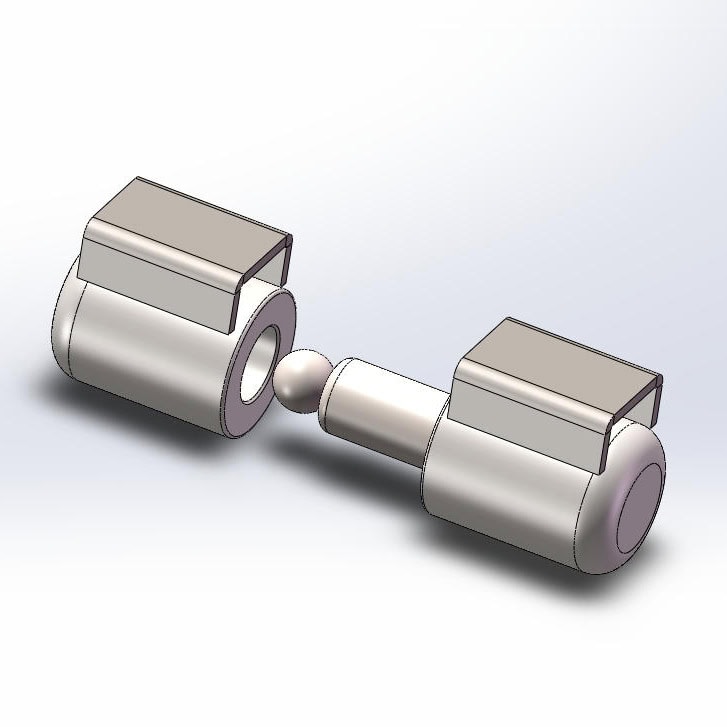
Unlike standard options, heavy duty weld on barrel hinges typically come with thicker leaves, hardened pins, and often integrate ball bearing systems for smoother operation under load. I’ve seen failures when customers tried to substitute regular weld-on types without understanding that “heavy duty” isn’t a vague term—it’s a measurable threshold of mechanical strength.
Industrial Applications That Require These Hinges
You’ll find these hinges behind blast-proof doors, furnace inspection hatches, and on armored service vehicles. One of the most overlooked use cases is Electrical Panel Hinges in outdoor substations, where constant torque and corrosion resistance are mandatory.
Take my advice—if you’re mounting on anything that experiences vibration, shock loads, or thermal expansion, a generic hinge simply won’t hold up.
Load-Bearing Calculations and Door Weight Limits
The most common mistake? Ignoring Hinge Weight Rating. Hinge failure usually begins with improper load distribution. I recommend calculating both static and dynamic loads. For example, a 200 kg insulated chamber door can easily exert 500 kg of force at the hinge when opened with speed.
A hinge might claim 400 kg support—but is that per hinge or per pair? Load per pin or total unit? If the supplier can’t answer this with numbers, move on.
Material Grades: Stainless Steel vs Carbon Steel
Many buyers default to stainless steel for corrosion resistance, but in industrial environments, I often recommend coated carbon steel for better cost-to-strength ratio.
Why? Coated carbon steel with a high phosphate or epoxy finish can outperform stainless in certain corrosive atmospheres, especially in acid vapor or high-alkaline zones. This is the kind of decision you can’t make without knowing the installation environment.
Bearing Mechanism: Why Ball Bearing Matters
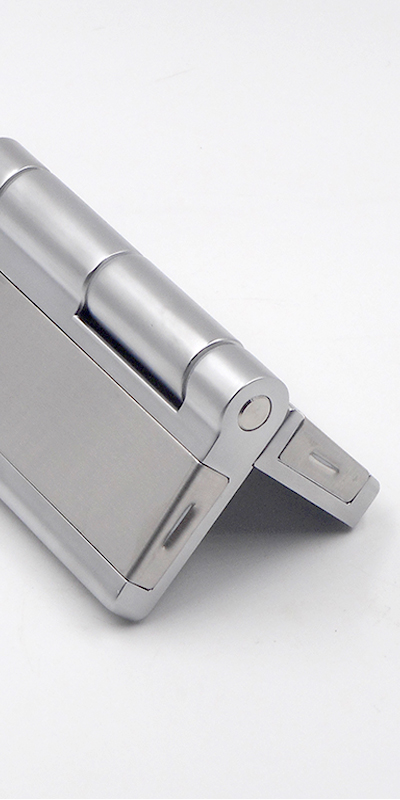
If you’re still choosing hinges without bearing systems for load-bearing doors, you’re compromising operational life. Ball bearing butt hinges drastically reduce friction and wear.
In load-cycling environments—like test chamber doors that open 100+ times per day—a ball bearing interface can prevent bore ovalization, which is a silent killer in weld-on setups.
Hinge Sizing: Pin Diameter, Leaf Thickness, and Overall Length
Most engineers only look at the overall size—but it’s the pin diameter and leaf thickness that carry the load. For example, I’ve seen a 10 mm pin on a 200 mm hinge fail because it lacked torsional resistance.
Always specify hinge length and thickness relative to the door’s height and weight. Avoid hinges that match only one parameter. That’s just cosmetics.
Installation Precision: Welding Methods and Misalignment Risks
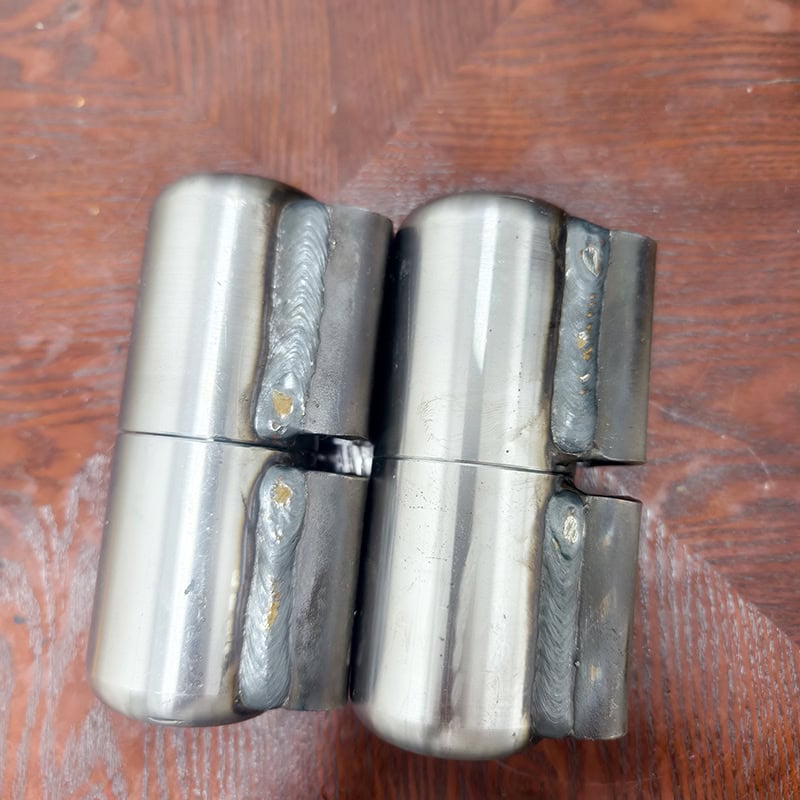
Misaligned welds lead to binding, uneven wear, and premature hinge fatigue. Use jigs during welding. Tack-weld first, test door swing, and then commit to the full bead.
Improper weld sequence can introduce thermal distortion. That’s why we recommend a two-pass weld, with post-cooling between each pass, especially on heavy duty exterior door hinges.
Protective Coatings and Environmental Resistance
If your hinge operates in a washdown zone or outdoors, untreated surfaces are a liability. Use zinc plating, powder coat, or electropolish depending on your risk profile.
Sometimes a Zinc Die Hinges model can perform better in coastal environments than stainless—again, context matters more than the metal’s name.
Common Failure Modes and Field Case Warnings
Common hinge failure includes:
-
Pin walking due to axial load cycles
-
Leaf deformation under cantilevered loads
-
Seizure caused by contaminant ingress into the bearing system
Avoid shortcuts like grinding down the hinge when alignment is off. It ruins the factory tolerances.
Specification Checklist for Engineers and Procurement Teams
Before ordering, verify:
| Parameter | Recommended Practice |
|---|---|
| Pin Diameter | ≥10% of door height |
| Bearing Type | Ball bearing with sealed race |
| Leaf Thickness | ≥5 mm for 100+ kg doors |
| Surface Finish | Match to environment (epoxy, zinc, SS) |
| Mounting | Weldable steel surface with access |
If your project requires hinges that cannot be standardized, IHINGES is built for that exact need.
IHINGES is the world’s only manufacturer dedicated exclusively to custom industrial hinges, focusing on real industrial applications rather than off-the-shelf products.