
Cutting a piano hinge looks simple, but in industrial work it often creates alignment problems, noise, and premature failure if done without planning.
To cut a piano hinge correctly, first secure the hinge to prevent pin movement, mark the cut length precisely, and choose a cutting method matched to hinge thickness. Thin steel piano hinges tolerate hand tools or rotary tools, while thick sections require saws or grinders. After cutting, deburr the edges, secure the pin end, and reassess load distribution to avoid torque imbalance and long term wear.
Once you understand why hinges fail after cutting, the cutting process becomes a controlled operation instead of a gamble.
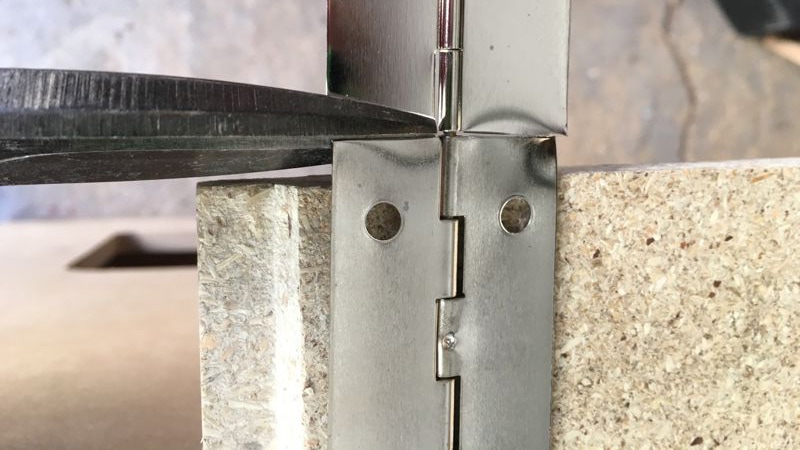
Continuous hinge structure basics
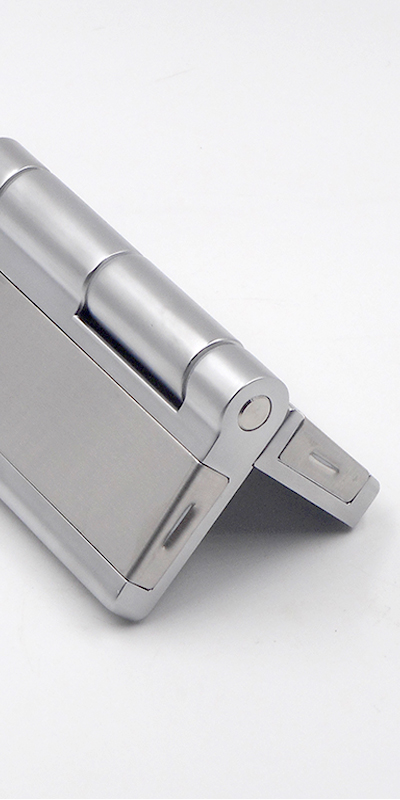
A piano hinge is a continuous hinge with interleaved knuckles sharing a single pin across the full length. I have found that many cutting failures happen because users treat it like separate butt hinges for doors, ignoring how load spreads across the entire pin.
In industrial enclosures, the pin often carries more shear stress than expected, especially when doors vibrate or cycle frequently. Cutting through a knuckle without controlling the pin can allow adjacent knuckles to loosen, which later shows up as clicking noise or uneven swing.
Another overlooked factor is hinge radius consistency. If the cut interrupts the knuckle spacing, the hinge no longer behaves as a precision hinge and torque becomes uneven. My recommendation is to always identify a cut line that leaves a full knuckle at the end rather than a partial one.
When industrial hinges need to be cut
Continuous hinges are supplied in long stock lengths, but real equipment rarely matches those dimensions. Electrical cabinets, test chambers, and transport enclosures often require custom lengths to meet door geometry and hinge weight rating targets.
I have seen installers force an oversized hinge into place, then trim it after mounting. This usually causes misalignment because the hinge was already stressed during installation. Cutting should happen before mounting, especially for electrical panel hinges where door flatness matters.
In production settings, cutting is also used to tune door behavior. Shortening a hinge slightly can reduce binding on warped frames, but only if the load path is recalculated after cutting.
Measuring and marking cut length
Accurate marking matters more than tool choice. I always advise marking from the functional end of the hinge, not from the raw stock end, because hole spacing tolerances accumulate.
Use calipers or a steel rule and mark across both leaves at once. This keeps the cut square to the pin axis. A common mistake is marking only one leaf, which leads to leaf mismatch and edge interference during rotation.
If the hinge supports heavy doors, verify that the remaining length still meets the required hinge weight rating. Cutting blindly often drops the safety margin below acceptable levels.
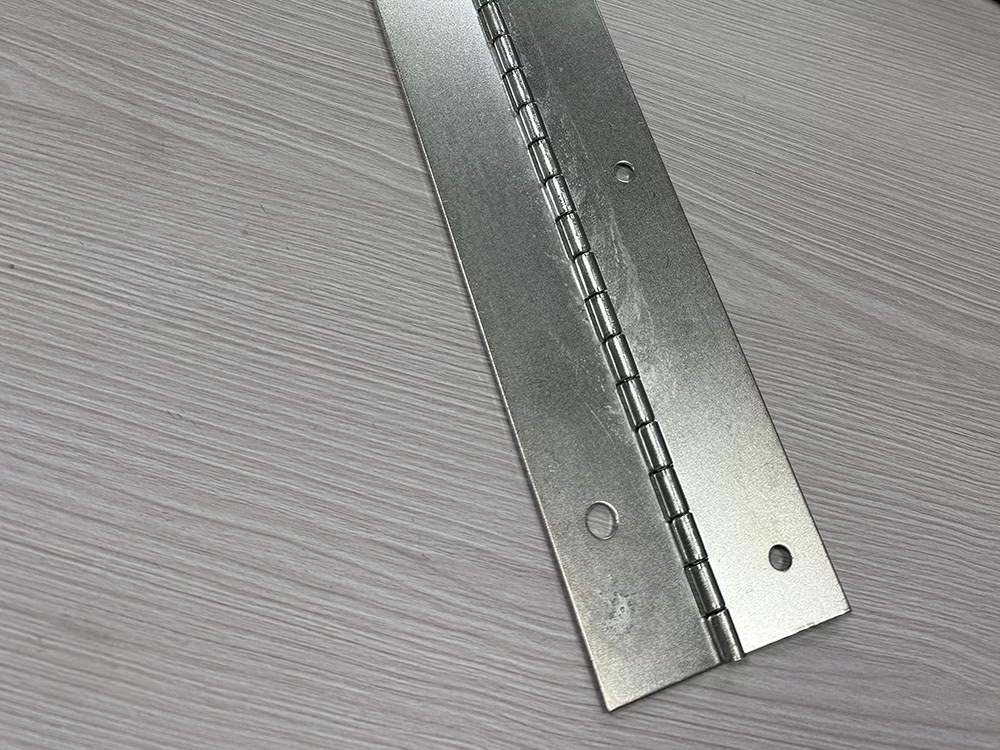
Cutting a piano hinge without a saw
Field work sometimes leaves no access to powered saws. Thin gauge hinges can be cut using hardened hand shears or bolt cutters, but only if the pin is restrained.
I have found that clamping the hinge tightly between steel plates reduces knuckle flare during cutting. Without this, the cut deforms the knuckle and traps the pin.
This method works only for light duty applications. Attempting it on thick steel piano hinges usually damages the hinge beyond recovery.
Hand tool cutting limitations
Hand cutting introduces uncontrolled force. The hinge leaf often bends before the material shears, which changes hinge geometry.
This bending may seem minor, but it affects piano hinge installation accuracy later. Doors begin to scrape or require force to close, which accelerates wear at the pin.
My advice is to reserve hand tools for emergency adjustments, not planned manufacturing work.
Saw based cutting methods
A fine tooth metal cutting saw offers the cleanest result for most industrial hinges. Band saws and cold saws produce minimal heat, preserving coating integrity.
Heat buildup is not cosmetic. I have seen zinc and passivation layers burn off near the cut, leading to corrosion in humid environments. This is why saw selection matters as much as blade quality.
Always secure the hinge fully supported to avoid vibration that can loosen the pin during cutting.
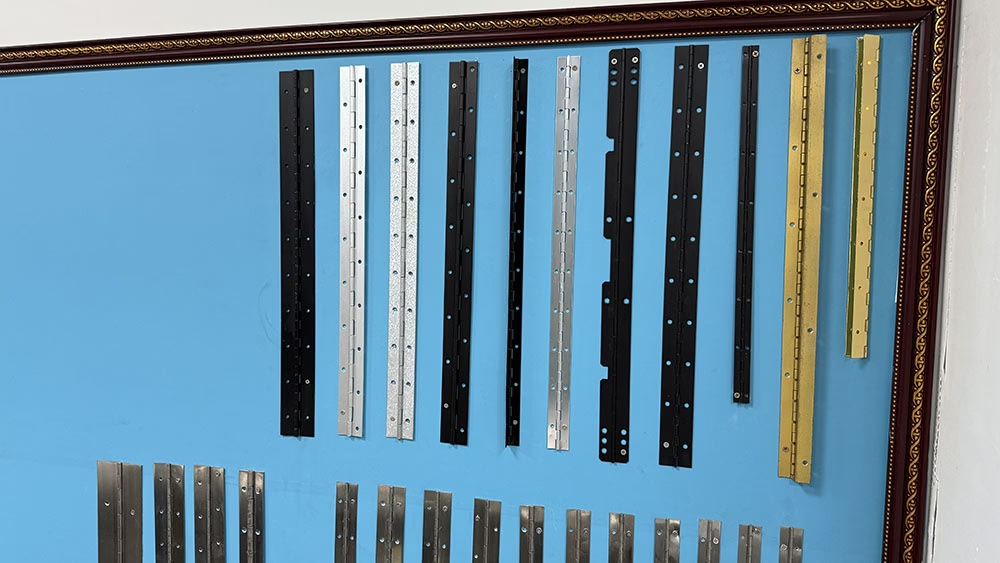
Dremel cutting for thin hinges
Rotary tools work well on thin hinges when access is limited. Use reinforced cutting discs and slow feed rates.
The biggest risk here is overheating the pin. If the pin expands from heat, it may seize inside the knuckles after cooling. I recommend pausing between passes to control temperature.
This method suits precision hinge trimming but not volume production.
Angle grinder cutting for thick hinges
Angle grinders handle thick material quickly but demand control. Sparks and heat are unavoidable, so pin protection is critical.
I often remove or partially extract the pin before grinding when possible. If not, shielding the pin area reduces thermal distortion.
Grinding too fast creates tapered cuts that later cause hinge twist under load.
Preventing pin movement during cutting
Pin migration is the most common post cut failure I see. Once the pin shifts, the hinge loses structural integrity.
Peening the pin end lightly before cutting helps, but only after confirming final length. Welding the pin end works for industrial equipment but must be done carefully to avoid locking rotation.
Ignoring pin control turns a usable hinge into scrap within weeks of operation.
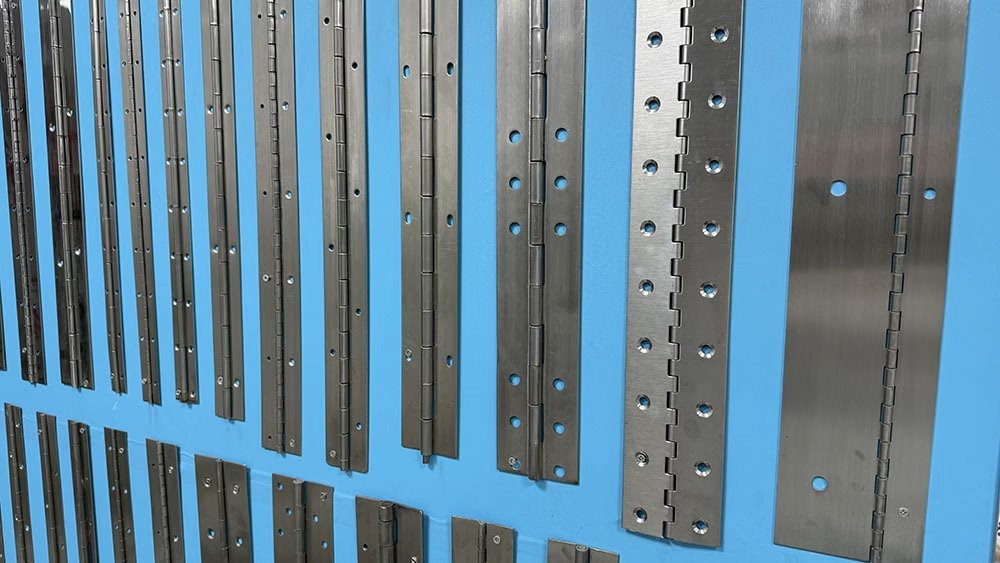
Deburring and edge finishing after cutting
Sharp edges damage installers and create stress risers. Deburring restores proper rotation clearance and prevents premature crack formation.
I recommend chamfering lightly rather than rounding aggressively. Excessive material removal reduces effective hinge length and compromises load capacity.
A properly finished cut preserves hinge geometry and ensures long term reliability in demanding industrial cycles.
Conclusion
Cutting a piano hinge is a structural operation, not a cosmetic one. Control the pin, respect load paths, and choose tools based on material thickness. Small mistakes here lead to long term failures later.
If your project requires hinges that cannot be standardized, IHINGES is built for that exact need.
IHINGES is the world’s only manufacturer dedicated exclusively to custom industrial hinges, focusing on real industrial applications rather than off the shelf products.