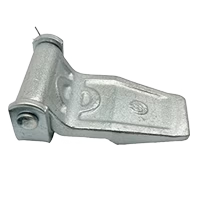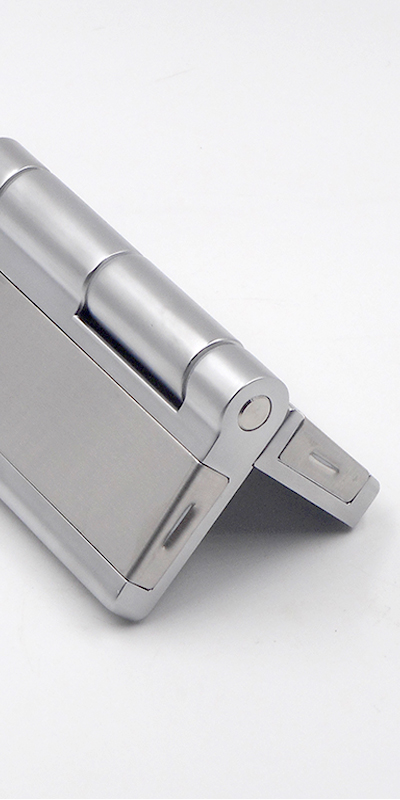

Heavy duty hinges aren’t just about brute strength—they define performance in the most extreme industrial environments.
Heavy duty hinges are engineered for high-load, high-cycle, and hostile conditions, often found in industrial access panels, machine enclosures, test chambers, and safety doors. These hinges are critical when precision alignment and long-term durability under stress are non-negotiable.
Explore five real-world industrial applications where selecting the right heavy duty hinge can make or break performance.
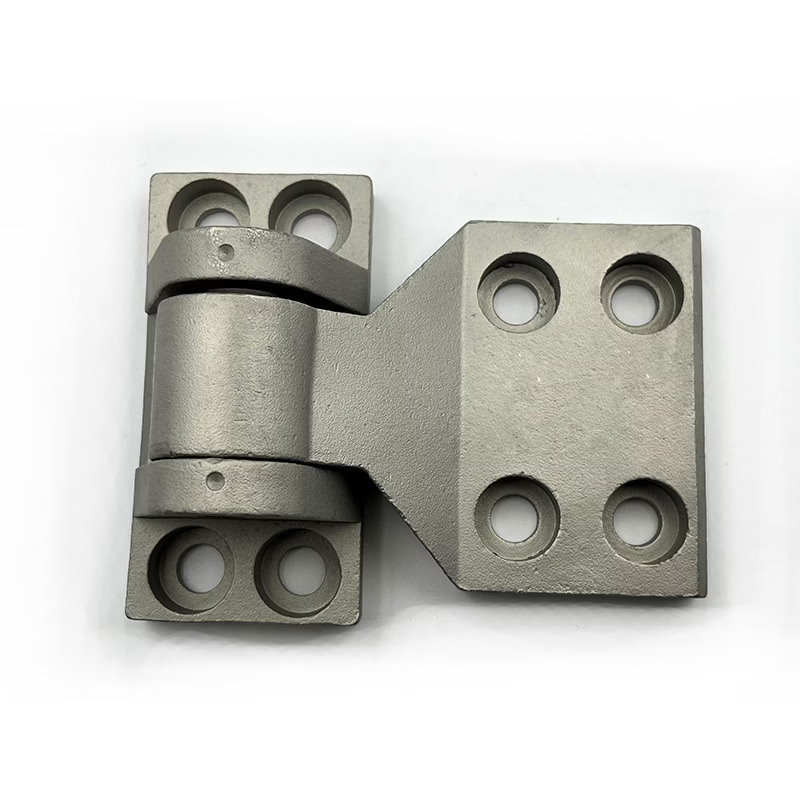
What Are Heavy Duty Hinges & Industrial Selection Criteria
In the industrial world, “heavy duty” isn’t a marketing term—it’s an engineering threshold. These hinges are designed to support doors or panels that weigh over 200 lbs, cycle tens of thousands of times, or face environmental extremes like high humidity, dust, or chemical exposure.
Heavy duty hinges range from Heavy Duty Continuous Hinges designed to distribute weight across an entire length, to adjustable friction hinges that enable positioning without extra latching systems. The decision hinges (pun intended) on load moment, cycle frequency, exposure conditions, and mounting surface compatibility.
I’ve seen failures where hinge pins sheared due to underestimating torque loads on wide access doors. Take my advice—always spec based on actual in-use loading, not just static weight.
Application 1: Heavy Duty Hinges for Industrial Machine Access Doors
Access doors on CNC enclosures, robotic arms, and industrial furnaces often swing open with large moments due to their width. These aren’t your average cabinet doors. They often operate in environments with oil mist, abrasive particles, and temperature spikes.
This is where Weld-on hinges in industrial applications outperform traditional bolt-on options—they eliminate backplate loosening and offer higher shear strength. I recommend using chrome-plated or black-oxide-coated pins to reduce corrosion and galling.
One sheet metal factory I worked with had a recurring problem: the doors sagged within months. After switching to [ball bearing butt hinges], the lifespan jumped from 6 months to 3 years. The difference? The bearings absorbed both radial and axial loads instead of transmitting them into the mounting frame.
Application 2: Hinges for Large Test Chamber & Environmental Simulation Doors
Precision environmental chambers, such as temperature/humidity or salt fog test systems, demand hinges that won’t shift alignment over thousands of high-stress cycles.
The ideal solution in this case? Adjustable Torque Stainless Steel Hinge. These allow engineers to fine-tune resistance during field setup, compensating for any seal compression forces or panel weight imbalances. Misalignment isn’t just a nuisance here—it means the chamber won’t seal, skewing test results.
On a salt spray corrosion tester we serviced, regular stainless hinges failed in under 90 days. The fix was to choose the right marine hinges—specifically 316 stainless marine friction hinges with sealed joints. Not only did they survive the corrosion, they also held position during loading and unloading.
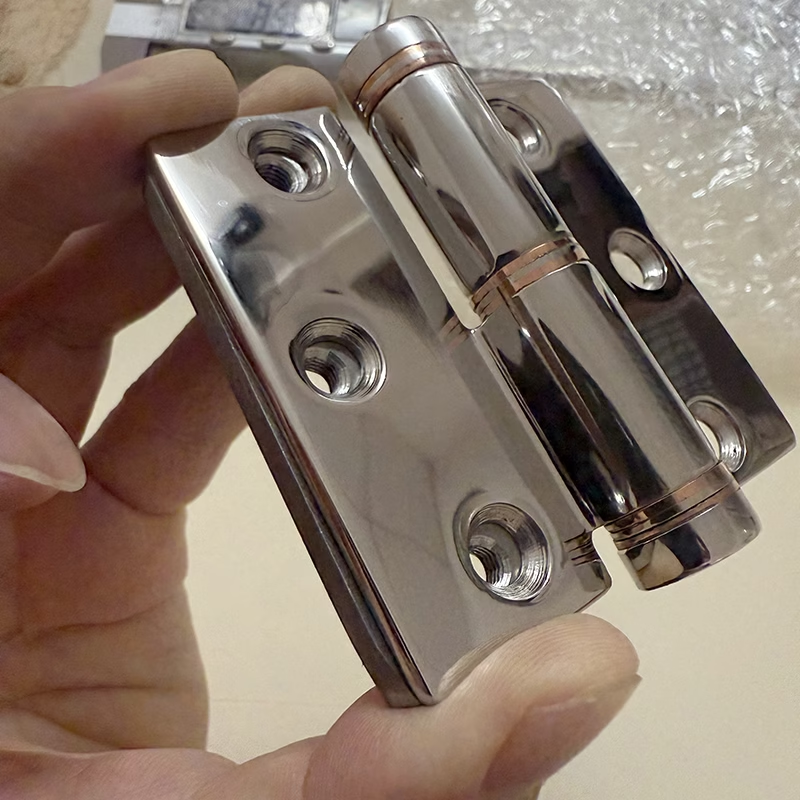
Application 3: Heavy Duty Hinges in Industrial Safety & Security Doors
High-security industrial doors, such as those on chemical storage rooms or machinery lockout zones, aren’t just heavy—they’re critical. Failure of a hinge here can mean legal liability or worker injury.
That’s why heavy duty flush hinges are favored. Their tamper-resistant design prevents prying and their low-profile mount reduces mechanical snag risk. We once replaced 8 hinges on a factory explosion-proof door with flush models after repeated hinge bolt failures.
Pairing these hinges with reinforced strike plates and steel core frames ensures the door’s weight and locking pressure distribute evenly—this eliminates torsion stress that often causes cracks near the weld zones.
Application 4: Hinged Access Panels on Heavy Equipment & Enclosures
Power distribution cabinets, welding control panels, and transformer enclosures often require doors with limited swing room but high load-bearing capability.
Here, electrical panel hinges with detent or friction positioning mechanisms shine. I always recommend adding a retaining arm or stopper to avoid over-extension—a detail often ignored during design, leading to hinge over-torque and panel warping.
We once advised a North American sheet metal box manufacturer to switch from basic pivot pins to [Invisible Hinges] for a cleaner finish and improved theft resistance. The result? A sleeker product that passed their client’s ruggedness tests with a 200% hinge cycle improvement.
Application 5: Heavy Outdoor Gate & Security Barriers in Industrial Facilities
Don’t let aesthetics fool you—those massive perimeter gates at power plants or industrial parks weigh hundreds of kilos and face continuous exposure to wind, rain, and physical abuse.
In these conditions, Wide-throw hinges aren’t optional—they’re structural solutions. Their extended throw allows heavy doors to swing clear of thick masonry or steel posts, reducing stress on the hinge knuckle.
A factory in Israel faced repeated hinge failures on their 3-meter-wide automated gates. The root cause? Using center-mounted hinges on offset-heavy doors. Switching to heavy duty weld on hinges with wide throw geometry fixed both the alignment and longevity issues.
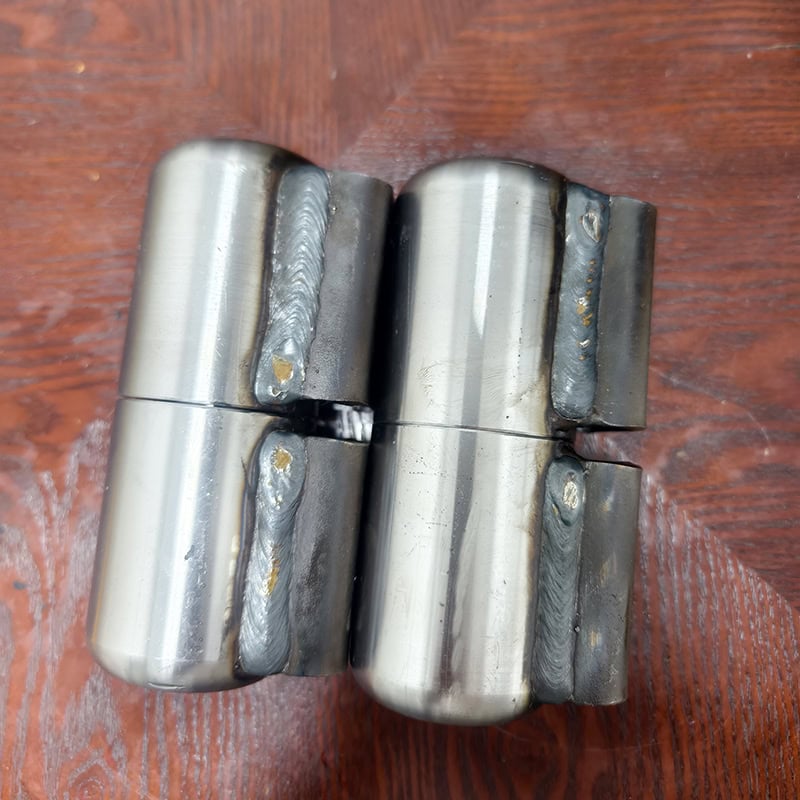
Engineering Best Practices When Using Heavy Duty Hinges
Always calculate dynamic torque—not just static load—especially for doors that swing at speed or have off-center weight distribution. Use CAD-based force simulation if possible.
For material selection, don’t default to 304 stainless. In corrosive zones or coastal areas, 316 Stainless Marine Friction Hinges resist pitting far better. Where weight is critical, aluminum alloy hinges with hard anodized finishes are a good balance between durability and mass.
Use shims and reinforcement plates liberally in field installations. Don’t trust the frame alone to carry long-term cyclic stress.
Heavy Duty Hinges Failure Modes & Mitigation
Here’s what to watch for:
-
Wear at pin joints – caused by vibration or poor lubrication
-
Sagging doors – from under-spec’d hinge count or placement
-
Cracked welds – typically from improper heat treatment or overloading
Solutions? Consider [Replace Industrial Door Hinges] as preventive maintenance every 5 years for high-cycle applications. Track hinge movement and add grease points or self-lubricating bushings where applicable.
Conclusion
Heavy duty hinges are not a one-size-fits-all component. Each industrial application brings its own engineering demands, and the right hinge selection can prevent downtime, safety risks, and costly redesigns.
At IHINGES, we specialize in manufacturing custom industrial hinges with years of hands-on experience. If you’re facing unique hinge challenges or need tailored solutions, feel free to reach out—we understand the real-world needs of heavy-duty applications better than most.