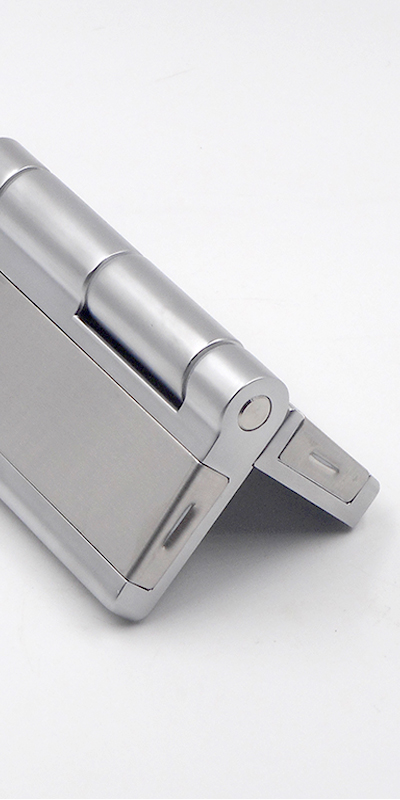

Concealed brass hinges are essential in industrial equipment where clean design, durability, and hidden functionality are required.
Concealed brass hinges are used in industrial equipment, electrical enclosures, testing chambers, and marine applications to provide secure, aesthetically clean, and corrosion-resistant hinge solutions. They remain hidden when doors are closed, enhancing safety and design integrity. These hinges are ideal where visibility, tampering, or protrusion must be avoided.
Concealed brass hinges offer more than just visual appeal—they solve critical engineering challenges in demanding environments.
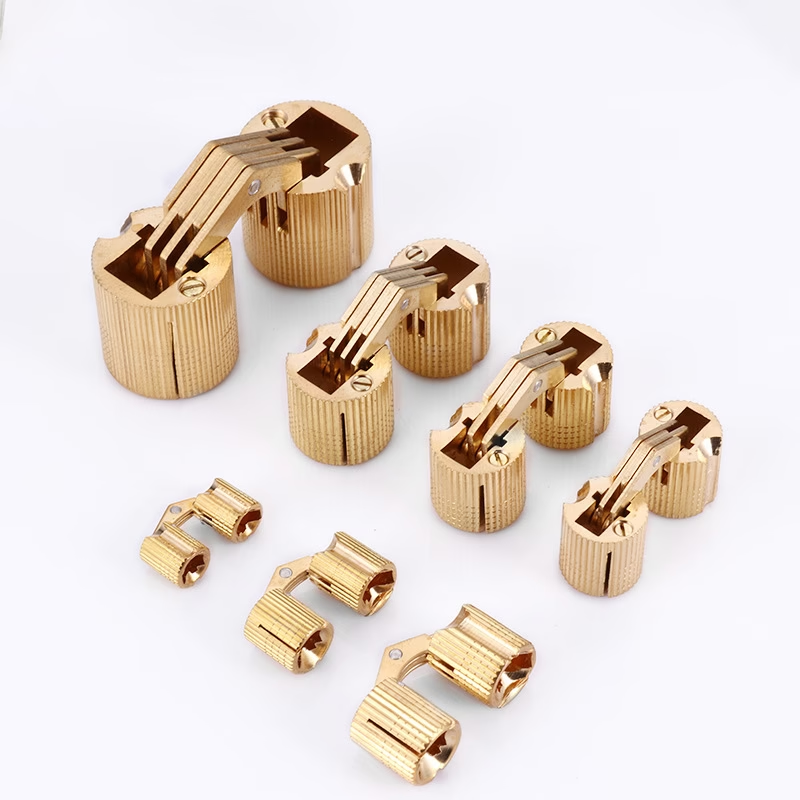
Introduction to Concealed Brass Hinges in Industrial Applications
Concealed brass hinges are primarily used in industries requiring functional hardware that remains invisible when the door is closed. Their design prevents tampering and damage from external forces, making them ideal for sensitive and rugged environments.
In industrial contexts, concealed brass hinges deliver a flush-mounted, secure, and corrosion-resistant hinge solution. They are commonly used in control panels, testing equipment, and sealed enclosures. Concealed hinges align perfectly with modern industrial design principles emphasizing durability and minimalism.
Primary Industrial Uses of Concealed Brass Hinges
Concealed brass hinges are widely used across several industrial sectors. In electrical enclosures, these hinges allow clean, unobstructed panel faces, preventing accidental disconnection or tampering. In test chambers and climatic equipment, concealed hinges enable airtight sealing mechanisms essential for maintaining environmental conditions. Their smooth operation also supports consistent door alignment, crucial for lab equipment and calibration units.
In marine applications, brass offers superior corrosion resistance, especially when paired with rubber seals or stainless steel elements. Concealed hinges prevent saltwater ingress and physical contact, ensuring mechanical integrity. Many manufacturers also adopt them in industrial ovens, where brass can withstand high temperatures and remain operational without deformation. Choose the right marine hinges for such environments to ensure the longevity of the overall enclosure.

Why Choose Brass as a Material in Industrial Concealed Hinges
Brass is chosen for its superior corrosion resistance, workability, and strength-to-weight ratio. In high-moisture industrial environments, such as those in the marine, food processing, or pharmaceutical sectors, brass outperforms steel in resisting oxidation and wear. Unlike ferrous metals, it doesn’t rust—making it a cost-effective alternative for semi-aggressive conditions.
Additionally, brass exhibits excellent machinability, allowing manufacturers to create adjustable concealed hinges with tighter tolerances. This is important in applications requiring precision fitting, such as electrical cabinets, cleanroom enclosures, or measurement instruments. Combined with its electrical conductivity and aesthetic appearance, brass becomes a highly valuable material in high-spec hinge applications. Heavy duty brass hinges are especially suitable for equipment that combines mechanical load and exposure to fluctuating environmental conditions.
Common Types of Concealed Hinges for Industrial Use
There are several types of concealed hinges suited for industrial applications, each with unique mechanical advantages. Heavy-duty flush hinges are designed to handle heavier doors without projecting hardware, making them ideal for sealed environmental chambers and industrial storage units. Spring-loaded concealed hinges are commonly used in access panels that require self-closing functionality, improving safety and access control.
Detachable concealed hinges allow for quick door removal during maintenance—useful in test labs or electrical infrastructure where rapid servicing is necessary. Friction hinges in industrial applications enable doors to hold position without extra support, ideal for adjustable access panels in instrumentation or machinery covers. Adjustable friction hinges help operators fine-tune torque and positioning during setup or retrofitting.
Functional Benefits in Industrial Design and Manufacturing
Concealed brass hinges offer multiple design benefits. From a safety perspective, their invisibility prevents accidental bumps, catches, or vandalism. This makes them ideal for public-facing machinery, retail kiosks, or medical carts. Because they are embedded within the door or frame, they also support streamlined enclosures that meet industry safety and hygiene standards.
From a manufacturing point of view, concealed hinges simplify surface treatments like powder coating or anodizing since there are no exposed moving parts. They also reduce visual clutter, providing a clean interface on the equipment. Their internal mounting helps maintain flush, gasketed seals—vital in humidity-controlled cabinets or air-purifying enclosures. Additionally, electrical panel hinges with concealed integration improve service access while maintaining IP-rated protection levels.
Load-Bearing and Mechanical Strength of Concealed Brass Hinges
The load capacity of concealed brass hinges depends on their structure, number per door, and mounting method. Typically, a single industrial-grade brass concealed hinge can support between 10–25 kg, but multiple hinges are used to distribute weight evenly. Heavier doors—like those found in large electrical control systems or refrigerated industrial boxes—may use reinforced versions.
If the enclosure requires consistent sealing pressure (as in a test chamber or HVAC unit), torque-rated or adjustable variants can be used. When load is a major concern, engineers should calculate hinge strength based on door size, opening frequency, and mechanical stress points.
| Hinge Type | Max Load (Per Hinge) | Recommended Use |
|---|---|---|
| Standard concealed brass hinge | 15–20 kg | Electrical cabinets, enclosures |
| Heavy-duty concealed brass hinge | 25–35 kg | Climate chambers, marine doors |
| Adjustable torque concealed hinge | Variable | Friction-based enclosures, access doors |
Heavy-duty long hinges can be used in tandem with concealed hinges when large door spans are involved.
Limitations and Considerations in Industrial Use
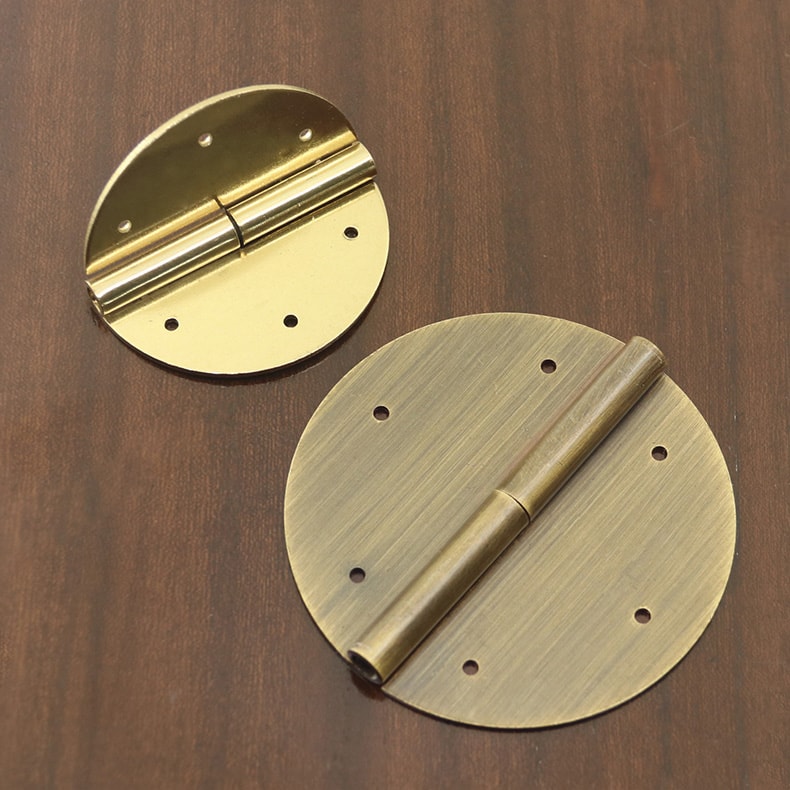
While highly functional, concealed brass hinges come with limitations. They are typically more expensive than standard exposed hinges due to the precision machining involved. For heavy industrial doors, especially those subjected to impact or torque, brass may deform over time if not properly reinforced. Also, concealed installation requires tight production tolerances, making retrofitting more complex.
In very high-load environments—like factory gates or heavy industrial ovens—alternative options like wide-throw hinges or heavy duty weld on hinges may offer better mechanical reliability. Additionally, concealed hinges can be more difficult to maintain or replace once installed, especially in sealed enclosures.
Examples of Industries Using Concealed Brass Hinges
Several industries benefit significantly from concealed brass hinges:
-
Test Equipment Manufacturing: Concealed hinges maintain airtight seals while withstanding repeated use in test chambers and ovens.
-
Electrical Infrastructure: Control panels, switchgear boxes, and interface enclosures use these hinges for tamper resistance and visual neatness.
-
Marine and Offshore: High salt content environments require corrosion-resistant brass concealed hinges in communication and power systems.
-
Medical and Lab Equipment: Equipment carts, instrument stations, and sterilization units use them for both hygiene and compact design.
-
Industrial Automation Systems: Concealed hinges support access to robotic compartments or monitoring systems without interfering with other machinery.
For customers needing to replace industrial door hinges, concealed brass variants provide a longer-term aesthetic and performance upgrade.
Comparison Table: Concealed Brass Hinges vs Other Industrial Hinges
| Feature | Concealed Brass Hinges | Weld-On Hinges | Butt Hinges (Chrome/Steel) |
|---|---|---|---|
| Visibility (Closed Position) | Hidden | Exposed | Exposed |
| Corrosion Resistance | High | Medium (depends on finish) | Low–Medium |
| Aesthetic Integration | Excellent | Poor | Moderate |
| Installation Complexity | Moderate to High | High | Low |
| Load Capacity (Per Hinge) | Medium | High | Medium |
| Maintenance | Low | Medium | Low |
In clean design and corrosion-prone environments, concealed brass hinges outperform other types in both durability and appearance.
How to Source High-Quality Concealed Brass Hinges for Industrial Use
When sourcing concealed brass hinges, industrial buyers should prioritize design response speed, customization ability, and certification compliance. IHINGES provides precision-engineered hinges for industries requiring durability and innovation. With in-house 3D design support, fast prototype feedback, and logo customization, IHINGES is a preferred supplier for B2B industrial buyers.
Whether you’re building climate-controlled test equipment or upgrading marine enclosures, IHINGES can deliver concealed brass hinge solutions tailored to your needs. For a fast quote or drawing review, contact [email protected].
Conclusion
Concealed brass hinges are essential components in modern industrial design, offering strength, corrosion resistance, and clean aesthetics where performance matters most. At IHINGES, we specialize in manufacturing industrial hinges with years of experience serving global equipment manufacturers.
If you need custom hinge solutions for your machinery or enclosures, feel free to contact us—we’re here to help with expert support and fast, professional service.