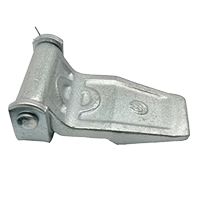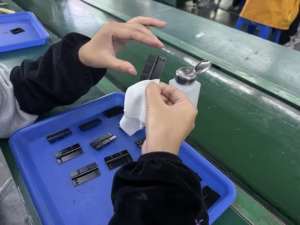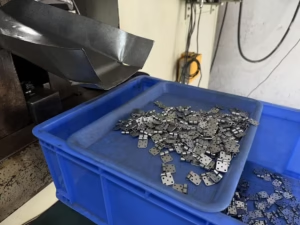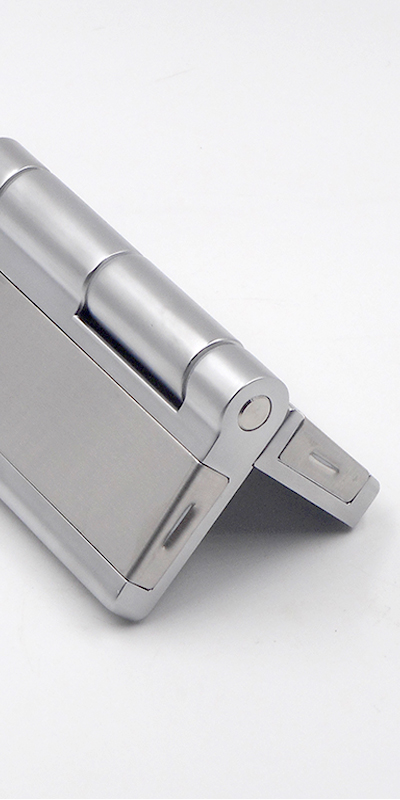

Hidden pivot hinges solve a problem I see often in industrial equipment design. You want a clean surface, stable movement, and no exposed hardware that can fail under load.
A hidden pivot hinge is a hinge system that rotates a door or panel on a top and bottom axis instead of a visible side mounted knuckle. It hides the rotation point inside the structure, supports higher loads, and keeps the exterior surface uninterrupted. Engineers use it when door weight, alignment tolerance, or appearance matters more than installation simplicity.
Once you understand how pivot load paths differ from edge mounted hinges, the use cases become very clear.
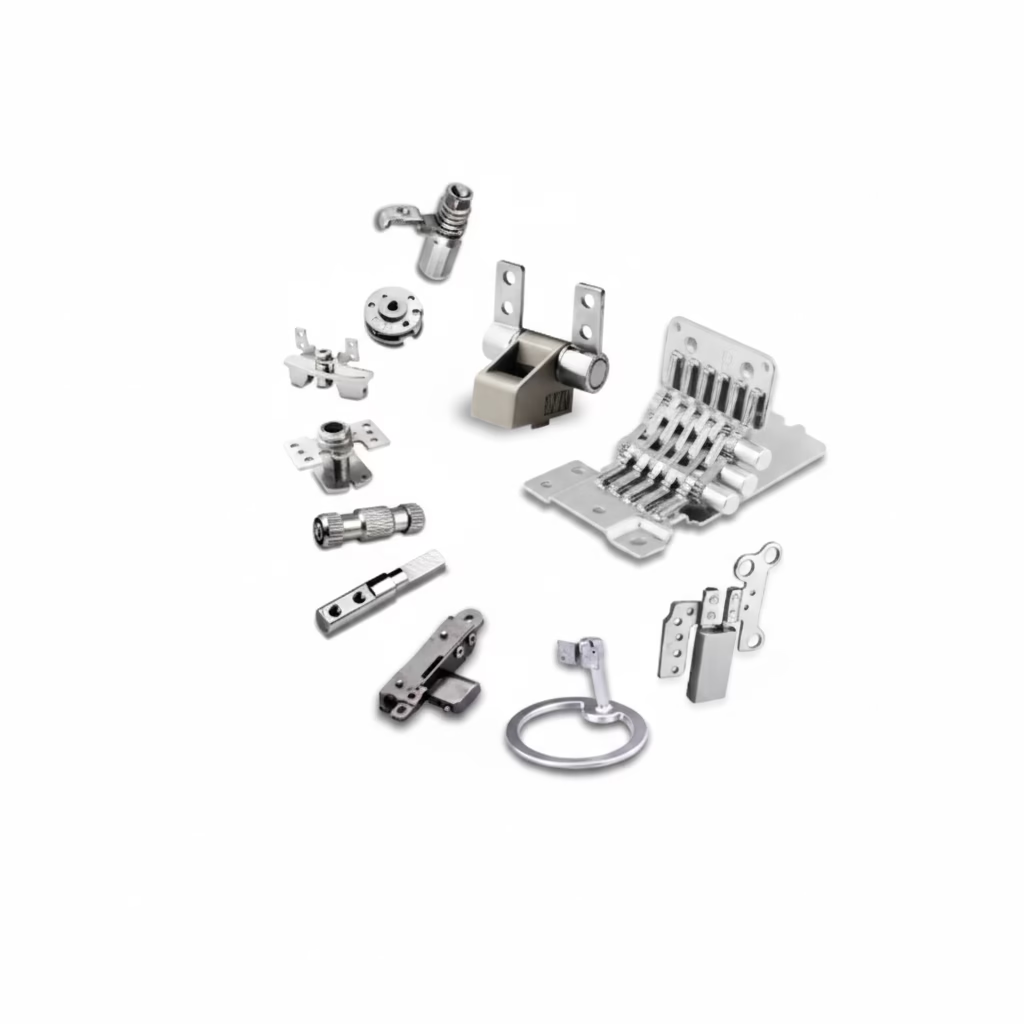
What Is a Hidden Pivot Hinge
A hidden pivot hinge is not just a concealed hinge. The key difference is how force transfers into the structure.
Instead of bending stress along a leaf like butt hinges, a pivot hinge pushes vertical load directly into the floor and header. I have seen 80 kg equipment doors supported with less deformation using a pivot system than with oversized side hinges.
The hinge consists of a top pivot and a bottom pivot. Both are recessed into the door and frame. When the door rotates, it spins around a fixed axis rather than swinging outward on a hinge leaf.
Hidden pivot hinges are chosen when door weight, repeated cycles, and long term alignment matter more than installation speed. That is why they appear so often in industrial enclosures, test equipment, and flush mounted access doors.
From experience, designers underestimate how much door sag comes from hinge leaf flex. Pivot hinges eliminate most of that problem at the source.
How a Hidden Pivot Hinge Works
The mechanical principle is simple but often misunderstood. The bottom pivot carries most of the vertical load. The top pivot controls alignment and rotation stability. This separation of roles is why pivot hinges feel smoother under load.
I have opened pivot doors weighing over 100 kg with one finger. That does not happen with side mounted hinges unless friction and wear are perfectly controlled. A hidden pivot hinge works by transferring gravity load vertically rather than bending the hinge leaf. That single fact explains its durability.
One common mistake is ignoring floor flatness. If the bottom pivot is not perfectly level, the door will self open or self close. I always recommend checking floor tolerance before final installation, especially on welded frames.
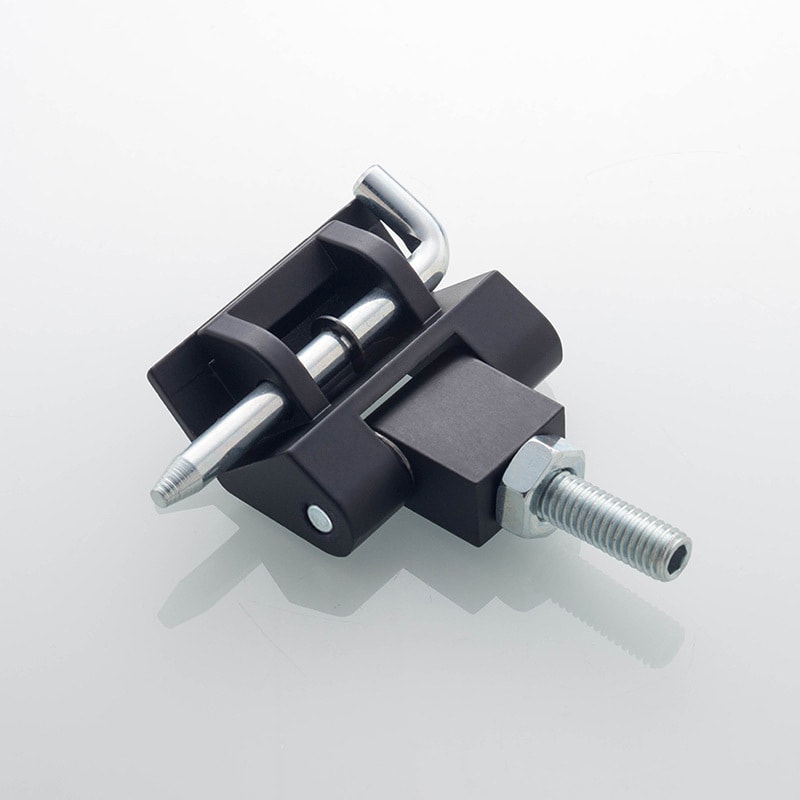
Hidden Pivot Hinge vs Other Hidden Hinges
Many buyers confuse pivot hinges with concealed leaf hinges. Concealed hinges hide the hardware but still behave like traditional hinges. The load still bends the leaf. Pivot hinges change the load path entirely.
Compared with concealed hinges, pivot hinges tolerate thicker doors and higher cycle counts. Compared with piano hinges, they eliminate long edge friction and uneven wear.
Pivot hinges are structural. Concealed hinges are cosmetic. That is the simplest way I explain it to engineers. If your door panel is thin and light, a concealed hinge works. If the door is thick, heavy, or part of a sealed enclosure, pivot hinges outperform every time.
When Should You Use a Hidden Pivot Hinge
I recommend hidden pivot hinges in three situations. First, when the door is heavy. Above 40 kg, side hinges begin to show alignment problems over time.
Second, when the surface must stay clean. Test chambers, industrial ovens, and electrical enclosures cannot tolerate exposed hardware. Third, when long term stability matters more than installation speed. Pivot hinges take more planning, but they fail less often.
Use a hidden pivot hinge when door sag, vibration, or fatigue failure is unacceptable. In one climatic chamber project, switching from welded hinges to pivot hinges eliminated seal leakage caused by door drop after thermal cycling.
Types of Pivot Hinges Used in Practice
There are two main pivot layouts engineers should understand. Center pivot hinges rotate around the middle of the door thickness. Offset pivot hinges move the rotation point closer to the edge. Offset designs improve clearance and sealing performance.
The difference between center and offset pivots affects door swing radius and gasket compression. I always ask where the seal sits before recommending one.
Some designs integrate dampers or soft close features, but in industrial settings I avoid unnecessary mechanisms. Simpler pivots last longer under dust, heat, and vibration.
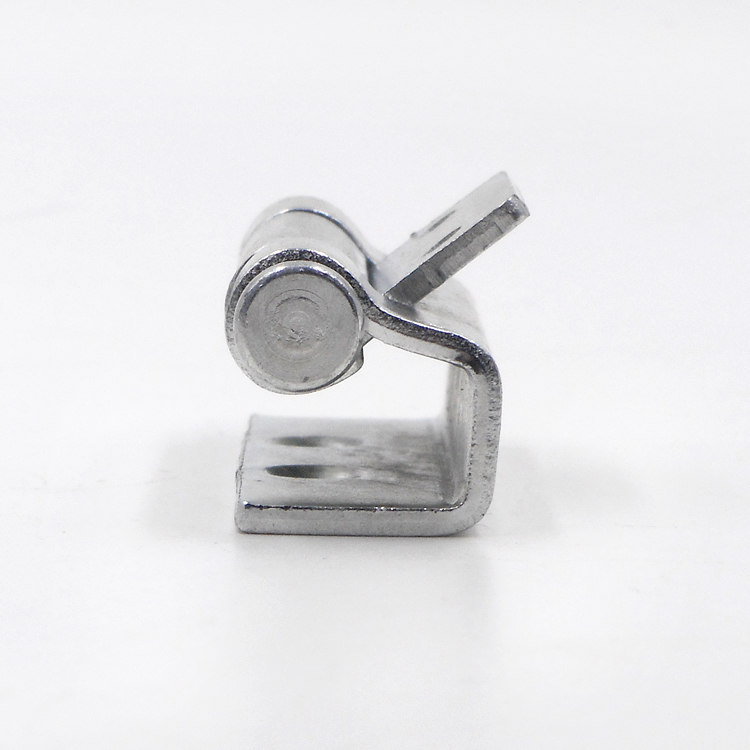
Advantages of Hidden Pivot Hinges
The biggest advantage is load management. Pivot hinges reduce bending stress, extend cycle life, and keep doors aligned. They also allow thicker doors without oversized hardware.
Hidden pivot hinges improve fatigue life by changing how stress flows through the door system. That is not marketing language. It is mechanical reality. Another advantage is safety. No exposed hinge means fewer snag points and better protection in automated environments.
Disadvantages You Should Know
Pivot hinges are not perfect. Installation tolerance is tight. If machining accuracy is poor, the door will bind. I have seen pivots blamed when the real issue was frame distortion after welding.
They also require floor or base structure support. In lightweight sheet metal cabinets, reinforcement may be necessary. Pivot hinges demand precision. They punish shortcuts.If your supplier cannot provide drawings and tolerance guidance, do not use pivot hinges.
Common Design Mistakes I See
The most common error is ignoring door thickness to pivot axis distance. This affects clearance and torque dramatically.
Another mistake is assuming pivot hinges self align. They do not. Alignment must be engineered, not expected. I also see designers mixing pivot hinges with unsuitable hardware like heavy duty hinges on the same door. That creates conflicting load paths and premature failure.
Where Hidden Pivot Hinges Perform Best
Hidden pivot hinges shine in industrial equipment doors, inspection panels, and sealed chambers. They are common in constant temperature and humidity test boxes where seal compression consistency matters.
If the door must open thousands of times without drifting, pivot hinges are the safest choice. They also integrate well with welded steel frames when planned early in the design stage.
Conclusion
A hidden pivot hinge is not about hiding hardware. It is about controlling load, movement, and long term stability. Use it when performance matters more than convenience.
If your project requires hinges that cannot be standardized, IHINGES is built for that exact need. IHINGES is the world’s only manufacturer dedicated exclusively to custom industrial hinges, focusing on real industrial applications rather than off the shelf products.