
Invisible and concealed hinges may appear similar at first glance, but their internal mechanics and industrial applications vary greatly.
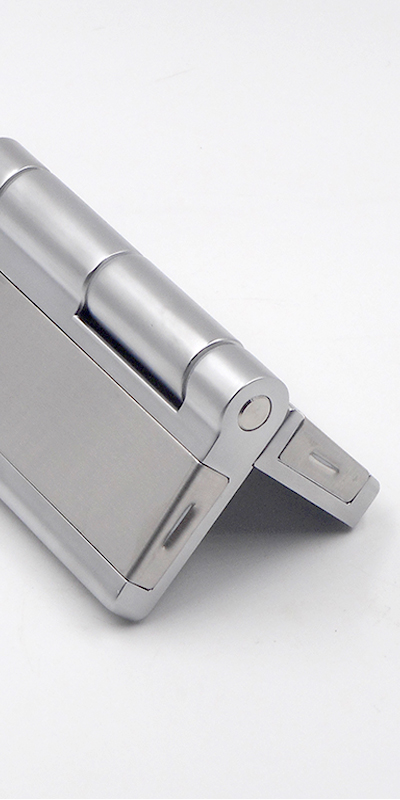
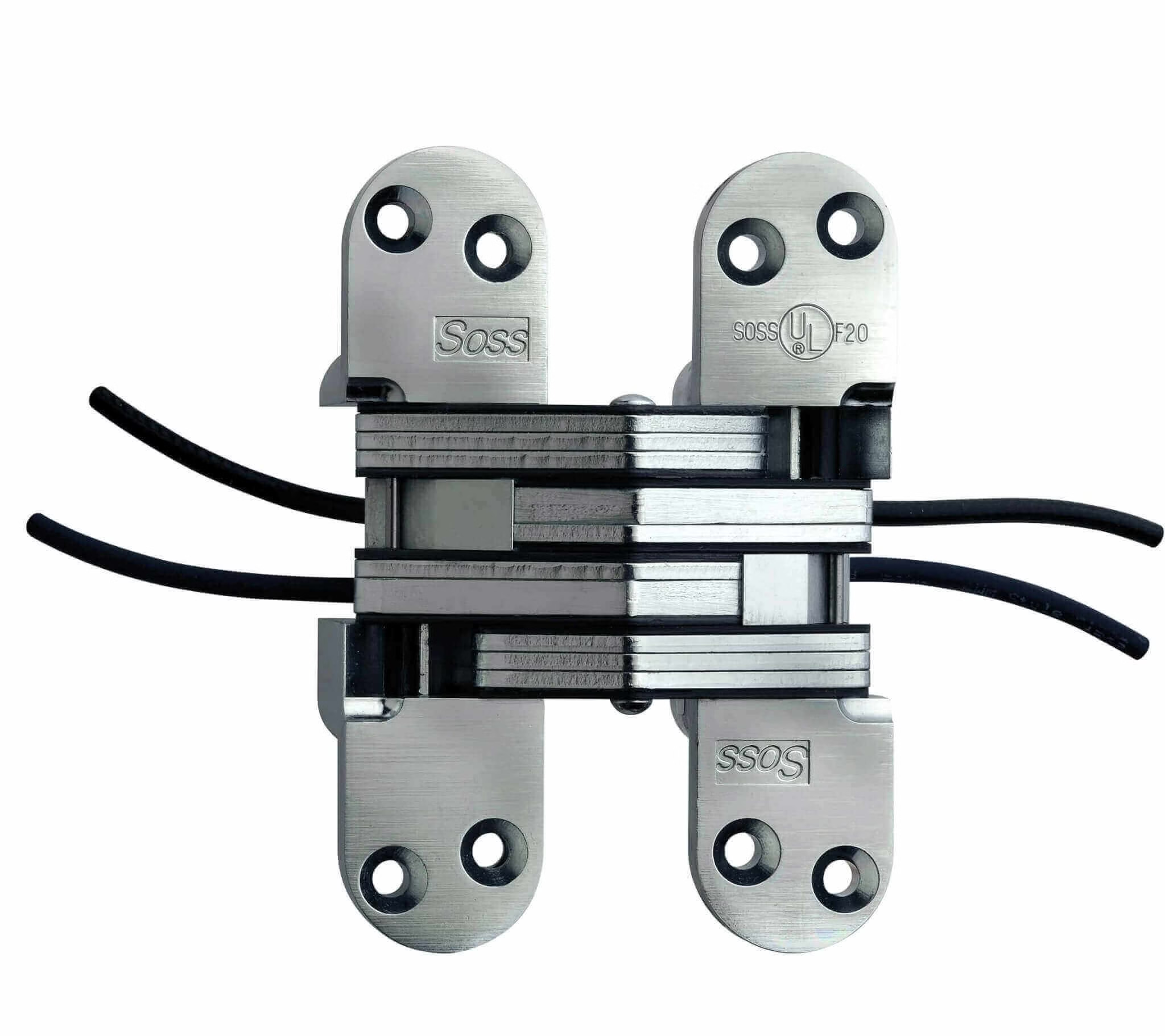
Invisible hinges are fully embedded into both the door and frame, offering a flush, seamless look even when the door is open. Concealed hinges, though hidden from the outside when closed, are often partially visible when open and are surface-mounted, allowing for easy adjustment and maintenance access. Both hinge types are valuable in industrial manufacturing, but they serve distinct purposes in performance, load capacity, and installation.
Knowing the structural difference between these hinges helps engineers choose the right solution for equipment doors and enclosures.
Design and Structure: How Invisible and Concealed Hinges Differ Mechanically
Invisible hinges and concealed hinges are both chosen for clean visual integration, but their structural differences impact functionality and installation.
Invisible hinges, such as SOSS hinges, are mortised directly into the frame and door edge, making them completely invisible from all angles. They are compact, durable, and ideal for flush, seamless door systems where tamper resistance or minimal visibility is a priority. These hinges are commonly used in cold storage room hinges applications, where maintaining a flush panel is essential for airtight sealing and hygiene control.
In contrast, concealed hinges—especially adjustable concealed hinges—are often surface-mounted inside enclosures or cabinet doors. They allow for precise door alignment and easy replacement, making them ideal for electrical panel hinges and test chamber doors. These hinges support multidimensional adjustability (height, side, and depth), which is highly valued in industrial equipment where alignment may shift over time due to vibrations or frequent access.
Invisible hinges are embedded and remain hidden whether the door is open or closed, while concealed hinges may become visible during door operation but offer superior adjustability.
Application in Industrial Settings
Choosing between invisible and concealed hinges in an industrial setting depends largely on door usage frequency, space constraints, and maintenance accessibility.
Invisible hinges are preferred in high-security enclosures, precision test chambers, and outdoor industrial hinges systems, where a tamper-proof, seamless appearance is required. For example, in a constant temperature testing chamber, invisible hinges help maintain thermal insulation by minimizing air gaps around the door. Their hidden design also prevents foreign material buildup and allows for easy cleaning—ideal for food-grade or medical-grade manufacturing environments.
On the other hand, concealed hinges shine in applications where doors must be adjusted or replaced frequently. In electrical distribution boxes or large control panels, maintenance teams often rely on the flexibility of concealed hinges. With quick-release mechanisms and multidirectional adjustment, these hinges reduce downtime and simplify service routines. Some models even feature built-in dampers or adjustable torque stainless steel hinge functionality for controlled motion.
Invisible hinges are best for seamless integration in static, tamper-sensitive equipment, while concealed hinges offer adjustability and ease of access in frequently serviced enclosures.

Customization and Sourcing Concerns
For industrial buyers sourcing hinges at scale, considerations like customization, material selection, and technical support are critical.
Invisible hinges often require precision machining and 3D design plans to ensure proper fit within the enclosure’s structure. They’re best suited for applications where the hinge must not interfere with the exterior aesthetic or operational profile. Factories like IHINGES provide tailored design services for invisible hinges used in heavy-duty exterior hinges environments, helping buyers avoid costly reengineering later.
In contrast, concealed hinges come in a wide variety of standard and customizable configurations. Buyers can choose options such as opening angle, closing force, mounting plate type, and corrosion resistance. Hinges made from 316 stainless marine friction hinges are favored in outdoor or marine applications where moisture and salt exposure are a concern. Because concealed hinges are more modular, they’re easier to source in large volumes and replace in the field without retooling.
Invisible hinges demand custom CAD modeling and machining, while concealed hinges offer off-the-shelf flexibility and scalability for industrial sourcing.
Conclusion
Invisible and concealed hinges serve different purposes: one for seamless flush mounting, the other for adjustability and maintenance access. Choose based on your enclosure’s structural and operational needs.