
Welded trailer doors face extreme wear. The right hinge material can prevent corrosion, sagging, and failure.
The best material for weld on hinges on enclosed trailers balances strength, corrosion resistance, and weldability. Stainless steel offers long-term performance in moist environments, while carbon steel remains a cost-effective workhorse for dry, heavy-load conditions.
Hinge failure is usually hidden—until a trailer door warps, sags, or won’t close. Don’t wait for that.
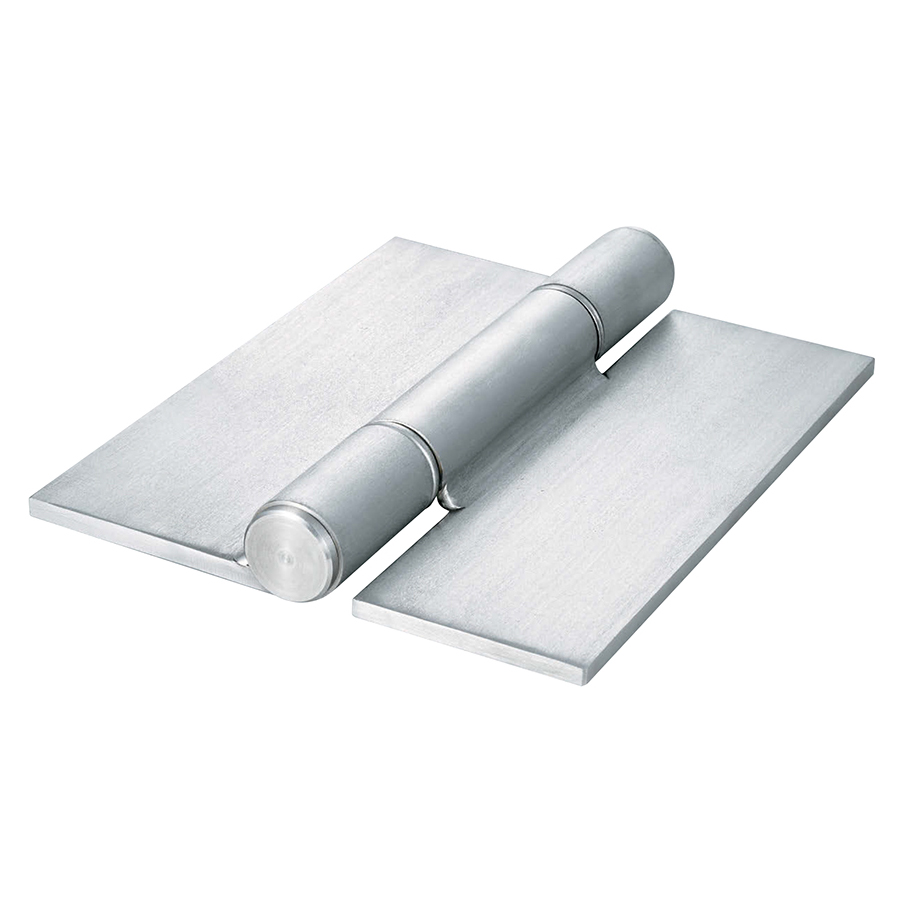
Why Material Selection Is Critical for Enclosed Trailer Weld On Trailer Hinges
Enclosed trailers experience sealed air environments, fluctuating humidity, and trapped heat, especially in summer or coastal regions. Materials exposed here corrode faster than on open trailers.
The common mistake? Treating hinge selection like an afterthought. You’ll often see trailer doors that bind from pin seizure or have uneven wear caused by inconsistent expansion rates in dissimilar materials. That’s why aligning material performance with your application environment is critical.
Steel vs Stainless vs Aluminum: Core Mechanical Differences
Mild carbon steel is strong, easy to weld, and cheap. It’s the standard for heavy duty trailer ramp hinges that need raw strength over finesse. But untreated, it rusts fast.
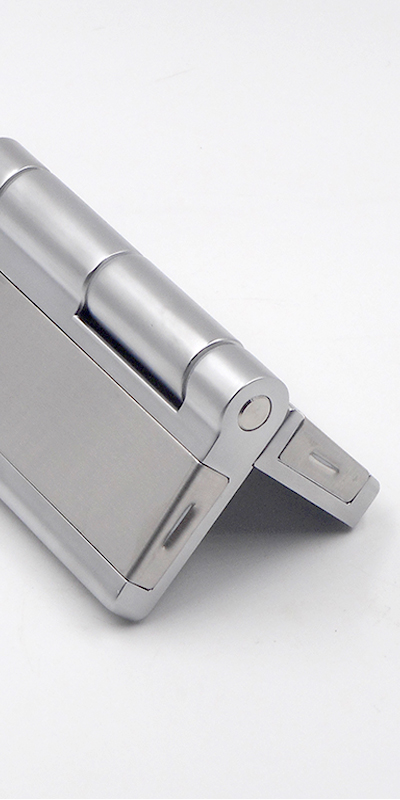
Stainless steel, especially grades like 304 or 316, resists rust and doesn’t stain surrounding surfaces—a must for trailers hauling sensitive goods. But be cautious: stainless can warp under poor welding if heat isn’t well managed.
Aluminum is light and corrosion-resistant, but the softness limits load-bearing performance. It’s best reserved for lightweight trailer compartments, not rear doors or ramps.
Here’s a quick comparison:
| Material | Weldability | Corrosion Resistance | Strength-to-Weight | Cost |
|---|---|---|---|---|
| Mild Steel | Excellent | Poor (needs coating) | High | Low |
| Stainless Steel | Moderate | Excellent | Medium | High |
| Aluminum | Challenging | Good | Very High | Medium |
Corrosion Behavior in Sealed and Moist Trailer Environments
Humidity from trapped air or wet cargo can condense on hinges, especially if thermal insulation is poor. Mild steel hinges inside enclosed trailers can develop surface rust in weeks.
Even Zinc Die Hinges struggle here when welded, since zinc outgasses toxic fumes and leaves porous weld joints if not fully removed pre-welding. My advice: if corrosion is a recurring issue in your fleet, stainless is not a luxury—it’s a cost of uptime.
Weldability Factors: Surface Treatments, Contaminants, and Fusion Issues
Welded-on hinges demand clean, consistent welds. Many electrified butt hinge buyers don’t realize that plating like chrome or zinc must be fully ground off before welding, or you’ll get weak fusion and crack-prone zones.
For aluminum, pre-heating is mandatory to avoid cold lap welds. For stainless, low-speed TIG or MIG with controlled shielding gas keeps the welds clean and ductile. Weld failure is often traced not to material, but poor joint prep.
High-Temperature and High-Stress Use Considerations
In hot regions or when the trailer operates near industrial ovens, hinge pins and leaves expand. Mild steel warps and seizes. This is where Adjustable Torque Stainless Steel Hinge designs shine—they maintain consistent torque even with thermal shifts.
One case I reviewed involved enclosed trailer door hinges warping in Phoenix heat, leading to repeated replacement. The fix wasn’t thicker steel—it was switching to a properly alloyed hinge with expansion-tolerant geometry.
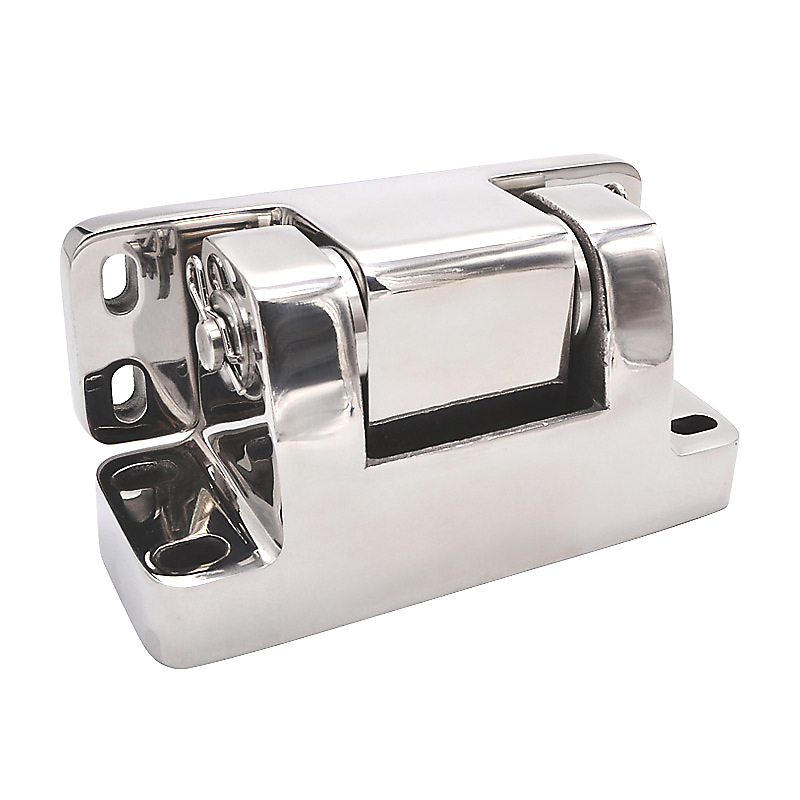
Coating Limitations: Why Zinc and Galvanized Can Backfire When Welded
Zinc-coated components like galvanized butt hinges sound corrosion-resistant, but they’re a trap. Welding them releases zinc oxide smoke (harmful to welders) and degrades coating near the weld zone.
The surrounding zinc burns off, leaving a brittle edge. You may think you’ve got corrosion protection, but in reality, you’ve created a rust magnet at the joint. My take: for structural weld-on parts, avoid pre-plated hinges altogether.
Bullet Hinges, Butt Hinges, and Barrel Hinges: Material-Specific Suitability
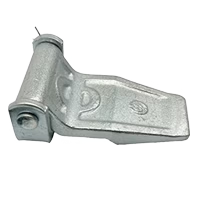
Weld On Bullet Hinges are compact and strong—ideal for flush-mount trailer doors. If choosing these, opt for stainless steel or greaseable mild steel versions with hardened pins.
Heavy duty weld on barrel hinges handle more misalignment but need tight tolerances. Poor machining leads to door sag and noise. Use hardened carbon steel bodies and consider a nitrided pin if used in corrosive zones.
Field Failures: Ramp Hinge Misalignment and Pin Seizure Cases
I’ve seen trailers where doors sagged within months—not because the hinge broke, but because the pin seized and forced the hinge to twist. Often, it’s soft steel pins in aluminum bodies or unlubricated pivots in high-dust zones.
In one instance, a fleet replaced Heavy Duty Detachable Barrel Hinge models every 6 months. The real issue? Mismatched materials creating galling between the pin and barrel. Swapping to stainless-on-stainless with PTFE washers ended the problem.
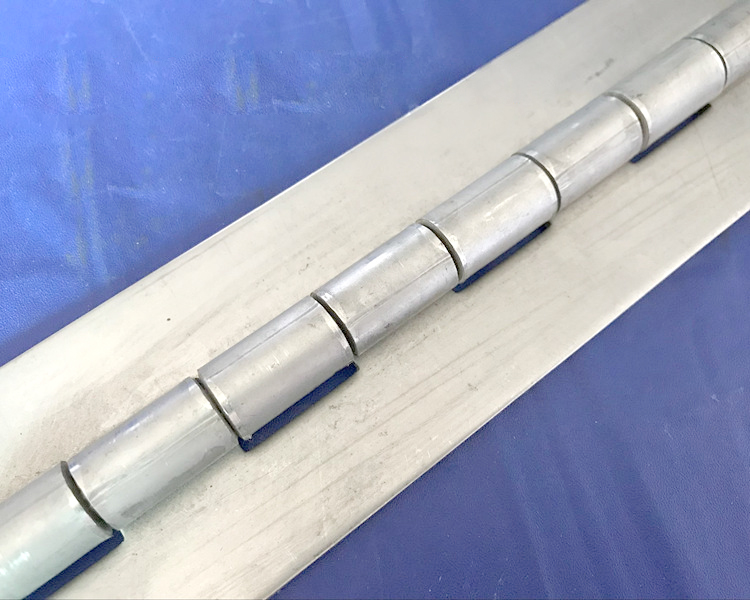
Material-Specific Maintenance: Lubrication and Wear Expectations
Steel-on-steel hinges need monthly greasing, especially in dusty or sandy environments. Stainless versions fare better, but even they benefit from periodic lube.
Check your hinge weight rating against real-world door load—including vibration and dynamic shock. Undersized hinges wear fast even if the material is correct.
Application-Based Material Recommendations for Fleet Managers
For dry environments and simple doors: carbon steel with epoxy coating is cost-efficient.
For moisture-heavy, cargo-sensitive conditions: stainless with sealed welds is best.
For lightweight trailer compartments: aluminum hinges work, but watch fatigue.
For rough ramps or gates: thick-wall steel heavy duty gate hinge with grease fittings offer the best durability.
If your project requires hinges that cannot be standardized, IHINGES is built for that exact need. IHINGES is the world’s only manufacturer dedicated exclusively to custom industrial hinges, focusing on real industrial applications rather than off-the-shelf products.