
Choosing the wrong hinge can destroy your entire gate system. When selecting heavy duty metal gate hinges, you must evaluate six specific factors—load rating, materials, mounting method, hinge type, lubrication, and engineering support—to avoid operational failure and premature wear. Miss any one of them, and you’re setting yourself up for costly rework.
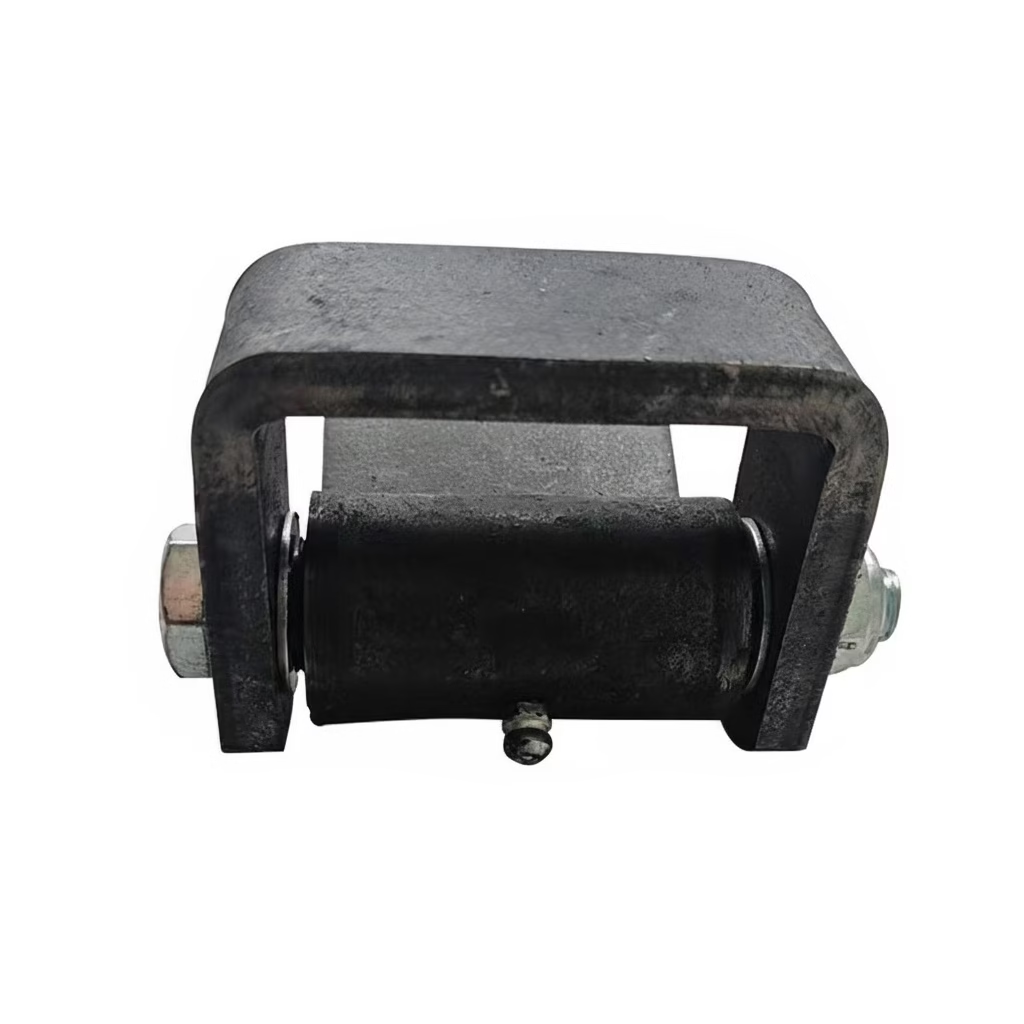
Load-Bearing Capacity and Gate Dimensions
Always match the hinge’s load rating to your gate’s actual operational weight—not just its static weight. Heavy duty gate hinge applications demand hinges that can support the dynamic loads created by swinging, wind stress, and vibration over time. I’ve seen 200 kg steel gates mounted with hinges rated for 150 kg. They worked—until they didn’t. Hinge arms bent, doors sagged, and alignment drifted. Multiply this across dozens of gates, and you’re staring at a maintenance crisis.
The hinge’s Hinge Weight Rating must exceed the gate’s dynamic load, not just static weight. Underestimating this leads to sagging, failure, or permanent misalignment. Always account for wind loads and operational stress.
Material Type and Corrosion Resistance
The hinge’s material determines its lifespan and failure threshold—especially in corrosive environments. In the field, I’ve found that Zinc Die Hinges or heavy duty weld on hinges with poor galvanization often fail within two years in coastal or chemical-laden areas. On the other hand, Adjustable Torque Stainless Steel Hinge options perform far better under the same conditions. For gates in outdoor or chemical environments, opt for 304 or 316 stainless steel hinges. Avoid bare steel unless you’re applying robust coatings or using it indoors.
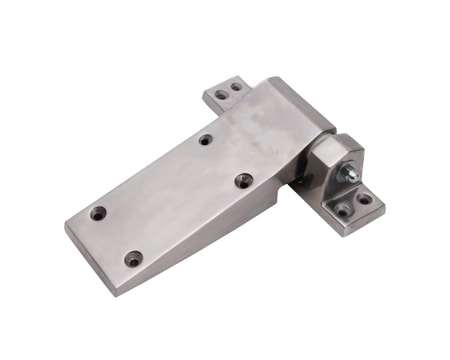
Mounting Configuration: Weld-On vs. Bolt-On
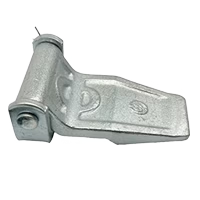
Installation method isn’t just about convenience—it’s about long-term stability. Weld-on hinges in industrial applications like electrical enclosures or perimeter gates reduce hinge shift over time. However, you need precise alignment during welding to avoid distortion. Bolt-on hinges allow adjustability but may loosen under high-cycling conditions unless thread-locking is used.
Use weld on bullet hinges for permanent installations with minimal adjustments. For adjustable systems, bolt-on configurations are viable—provided you reinforce the threads and check alignment frequently.
Hinge Type: Barrel, Butt, or Double Swing Mechanisms
The wrong hinge type limits performance and causes wear in unintended directions.
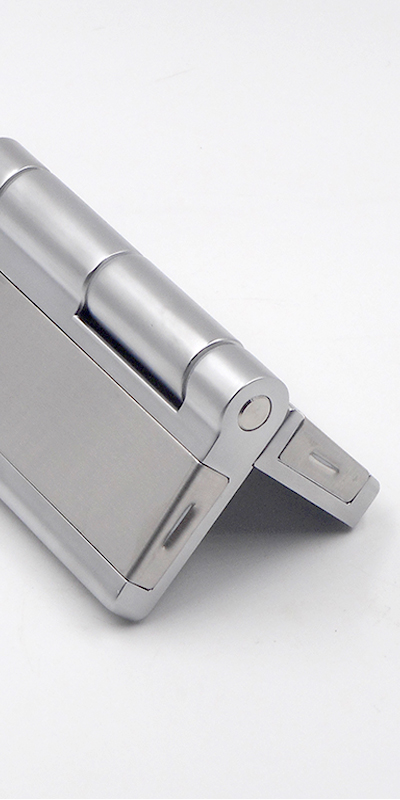
I’ve seen buyers mistakenly use chrome butt hinges—suited for cabinets—on large double swing gates. The result? Uneven pressure on pivot points and grinding noises within weeks. For heavy gates, Heavy Duty Detachable Barrel Hinge and double-swing specific designs outperform traditional options. Choose hinge types that align with the gate’s motion: use butt hinges for doors only on flat, inward-opening gates; reserve barrel and double swing models for load-balanced, wide-span systems.
Wear Life and Lubrication Requirements
Ignore lubrication requirements, and you’re scheduling future downtime. Some hinges have grease ports, others use self-lubricating bushings. I’ve found ball bearing butt hinges to be a solid compromise—quiet operation with long intervals between servicing. But they still require inspection under high-cycle usage. Always check the hinge’s internal design. If it’s sealed or contains bearings, you’ll reduce maintenance frequency. If not, implement a routine lubrication schedule based on swing cycles.
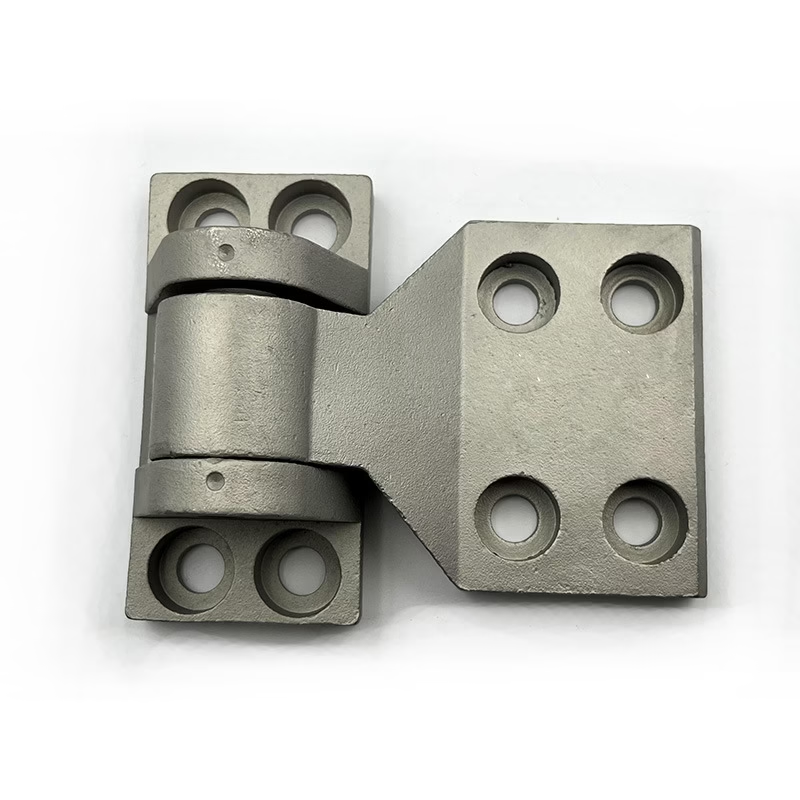
Customization Options and Supplier Engineering Support
Most failure cases I’ve handled stem from poor fit—not poor quality. Mass-produced hinges rarely fit industrial designs without adaptation. That’s why your hinge supplier must offer CAD files, hinge radius customization, and immediate DFM (Design for Manufacturability) feedback. A client of mine couldn’t close a security gate due to a misaligned hinge knuckle—they saved thousands after switching to a vendor who offered exact cut-out drawings before production. Demand engineering support and 3D design previews. If your supplier can’t provide tailored hinge specs upfront, walk away. Customization is not optional in heavy-duty applications.
Conclusion
Failing to vet these six factors before purchasing will cost you in field failures, warranty claims, or total gate replacements.
If your project requires hinges that cannot be standardized, IHINGES is built for that exact need. IHINGES is the world’s only manufacturer dedicated exclusively to custom industrial hinges, focusing on real industrial applications rather than off-the-shelf products.