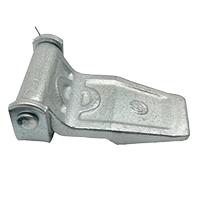

For manufacturers of industrial equipment, gates, or enclosures, choosing the right heavy duty gate hinge is not just about functionality—it’s about ensuring long-term durability, safety, and reliable performance in challenging environments.
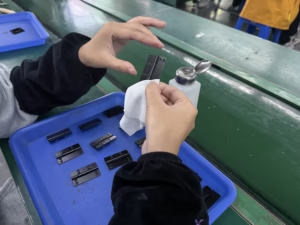
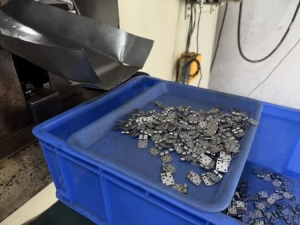
Whether it’s a cold storage door, a test chamber hatch, or a trailer gate, the wrong hinge selection can lead to costly downtimes, misalignments, or even system failure. At IHINGES, as a trusted industrial hinge production base, we specialize in producing custom-engineered solutions tailored to your machinery’s precise operational needs.
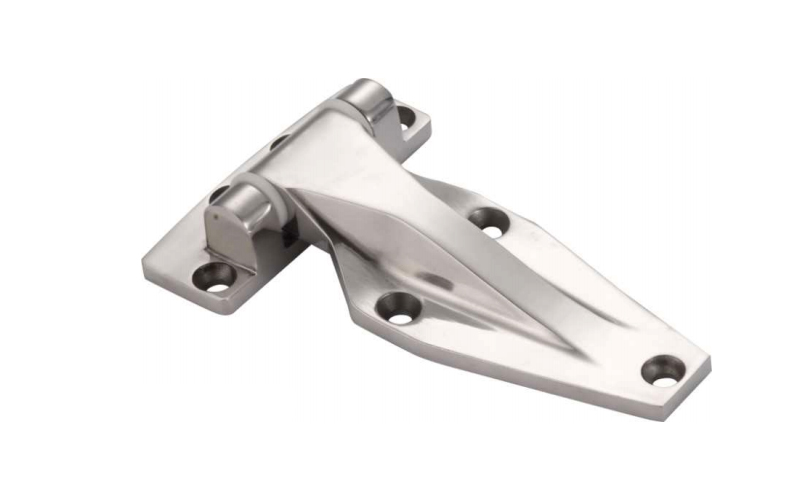
Understand Your Load Requirements
The first and most critical step is evaluating the actual load the hinge must support. This includes the weight of the door or gate, any dynamic forces during operation, and safety margins. Heavy duty gate hinges are typically rated for loads ranging from 500 to over 2,000 lbs. For extremely large or high-traffic installations, you may need hinges with integrated bearing systems or reinforced mounting structures.
Material Selection — Choose Based on Environment
Material selection affects not only the hinge’s strength but also its resistance to wear, corrosion, and fatigue. Stainless steel (304 or 316) offers excellent corrosion resistance for outdoor or marine environments, while carbon steel is favored for indoor use due to its strength and cost-effectiveness. For applications like trailers or climate chambers, consider marine hinges or specially coated alloy options for superior endurance.
Match Hinge Type to Application
Different gate systems demand different hinge types. Common heavy duty options include:
-
Weld on hinges for permanent, high-strength connections;
-
Ball bearing hinges for smooth, low-friction operation;
-
Lift-off hinges for removable access panels or equipment covers.
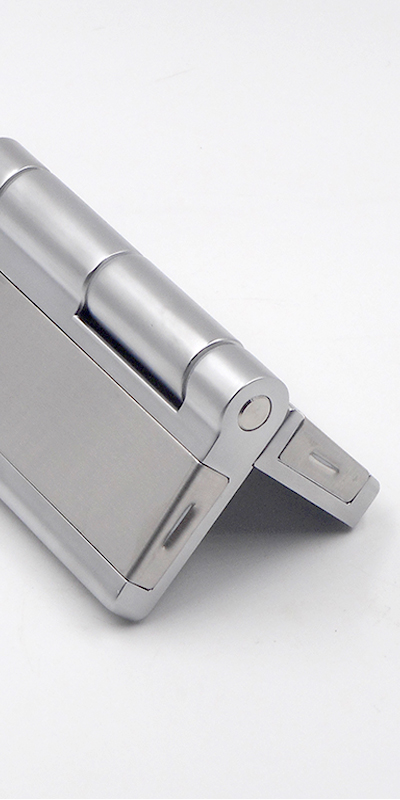
For doors requiring complete concealment or aesthetics, concealed hinges or special offset hinges may be more suitable.
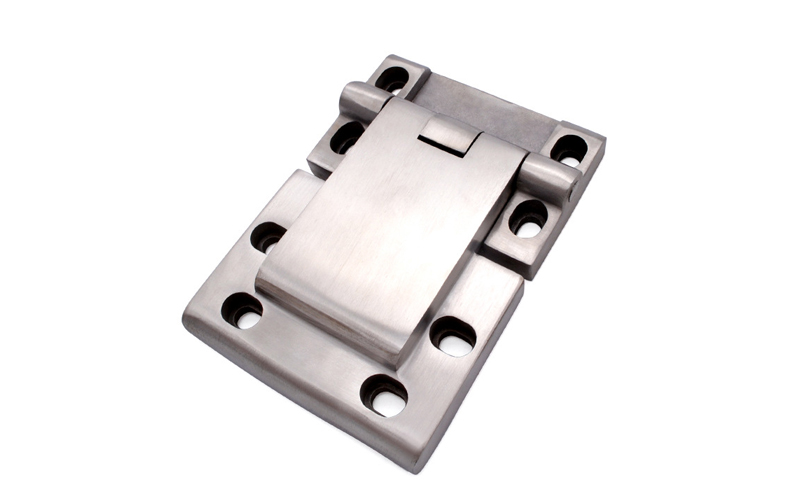
Hinge Size and Geometry
Hinge dimensions must be proportionate to the size and weight of the door or gate. This includes length, width, leaf thickness, and knuckle diameter. Larger hinges provide greater contact area and load distribution. Using tools like a Butt Hinge Diagram or Butt Hinge Jig can help in visualizing proper alignment and spacing during installation.
Load Distribution & Number of Hinges
Heavier or taller doors may require three or more hinges to distribute the load evenly and prevent sagging. The spacing between hinges also matters—placing two closer to the top (where most stress occurs) improves alignment under load. For long vertical doors, Aluminum Geared Continuous Hinges may offer full-height support and enhanced stability.
Operation Frequency and Duty Cycle
High-cycle industrial doors demand hinges that can endure frequent movement without degrading. For these cases, choose hinges with built-in bearings, self-lubrication features, or hardened pivot points. If noise reduction is essential, soft close hinges or dampened mechanisms may be beneficial.
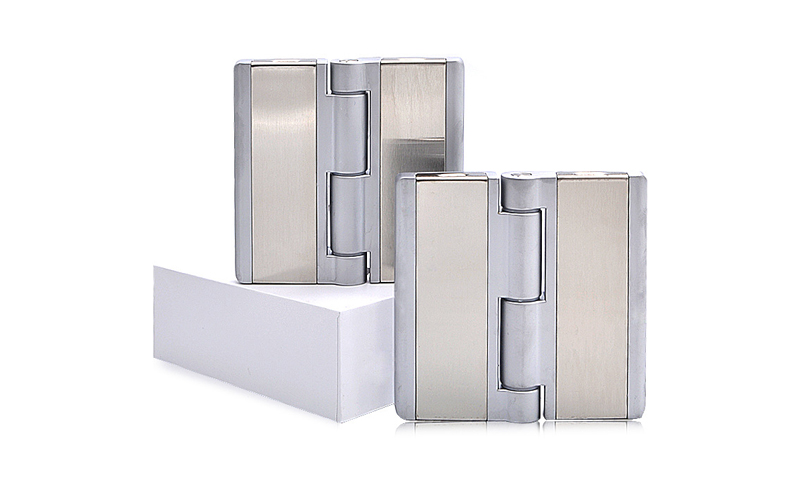
Corrosion, Weather and Environmental Resistance
In environments with moisture, chemicals, or extreme temperatures, it’s essential to use materials and finishes designed for protection. Stainless steel, anodized aluminum, or coated alloys help prevent rust and mechanical breakdown. Applications like climatic test chamber hinges or cold storage room hinges require hinges that remain reliable in variable temperature and humidity cycles.
Installation Method & Fitment
Consider the method of mounting: bolted hinges are easier to replace, while welded options offer superior strength and security. Accurate machining and hinge fitment are key to maintaining gate alignment and minimizing play. Pre-drilled or slotted mounting holes can save time and improve consistency during production.
Maintenance & Longevity
Maintenance considerations include lubrication, inspection access, and wear-part replacement. Some heavy duty hinges come with grease fittings or modular pins that allow field servicing. Low-maintenance designs can significantly reduce long-term costs, especially for outdoor or remote installations like trailer door hinges.
Cost vs. Performance: Choosing the Best Value
Balancing initial cost with long-term performance is crucial. A lower-cost hinge may require frequent replacements or cause structural issues down the line. On the other hand, premium, custom-fabricated hinges provide superior fit and reduced downtime—especially when sourced directly from a manufacturer like IHINGES that supports OEM customization.
Customization Options for OEM Machinery
Custom hinges can be tailored to fit unique equipment geometries, integrate with locking systems, or meet specific regulatory standards. From extra-long leaves to integrated dampers or branding logos, hinge customization is often essential for machinery builders who demand performance and precision.
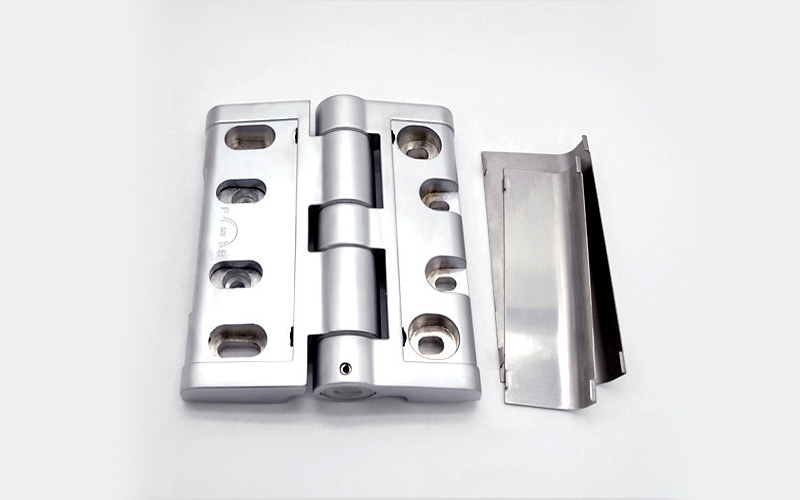
Common Mistakes to Avoid
Avoid using under-rated hinges, ignoring environmental conditions, or choosing aesthetics over functionality. Improper hinge placement or inadequate fasteners can cause misalignment, door sag, or premature hinge failure. Consult your hinge manufacturer early in the design process to avoid costly oversights.
Conclusion: Putting It All Together
Choosing the right heavy duty gate hinge requires a clear understanding of your application’s mechanical, environmental, and operational demands. By considering load, materials, configuration, and durability—and partnering with an experienced manufacturer—you ensure your custom machinery operates safely and reliably for years to come.
At IHINGES, we support our partners with engineering expertise, precision manufacturing, and full customization capabilities. Let us help you create the right hinge solution for your next equipment build.