
Fire-rated hinges aren’t optional in cold storage, they’re mission-critical. Fire-rated hinges improve door integrity under heat, preventing seal failure in cold storage fires.Fire can’t wait for theory. In real cold storage rooms, hinge failure equals smoke breach and full insulation loss. Here’s what really matters.
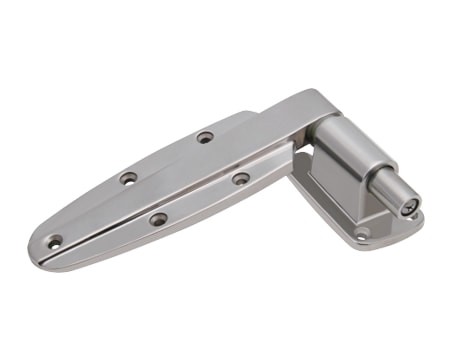
What Is a Fire-Rated Hinge?
Fire-rated hinges are hardware components tested to maintain structural performance under high heat for a set duration. They resist deformation, melting, or detachment when exposed to temperatures above 900°C.
Most clients assume fire-rated equals stainless steel. That’s not enough. I’ve seen electrified butt hinges pass tests thanks to ceramic pin inserts, while thick mild steel hinges warped in under 10 minutes. What matters is tested performance, not bulk.
Certification grades (like BS EN 1634-1 or UL 10C) should match door fire rating. Misaligned specs often go unnoticed until post-install inspection fails the unit. Fire doors are a system. Hinges must match the weakest link.
Do Cold Storage Rooms Require Fire-Rated Hinges?
Yes, especially near flammable contents like packaging materials or refrigerants. Cold storage hinges must pass fire testing under both ambient and sub-zero starting conditions. The false belief that freezing temperatures slow fires leads many buyers to skip rating compliance. In reality, once fire starts, insulation foam accelerates burn. A hinge that cracks or snaps under dual stress—cold contraction and sudden heat—is a liability. Fire authorities in Los Angeles and Long Beach have started flagging non-compliant hinge hardware even when the door slab is certified. The hinge is now under scrutiny too.
Fire-Rated vs. Regular Hinges: Key Differences
The core differences are materials, bearing types, and certified fire endurance. Fire-rated hinges use high-temp alloys, intumescent gaskets, and expanded pin tolerances.
Standard butt hinges for doors often fail due to soft pin fatigue or weld failure. I’ve evaluated rejected sets where the heat-expanded pin seized within the knuckle, causing the door to jam during egress testing. Fire-rated models use either stainless or chrome-treated steel with loose pin play to account for thermal growth. Don’t assume any heavy duty weld on hinges is fire-rated unless tested as a unit.
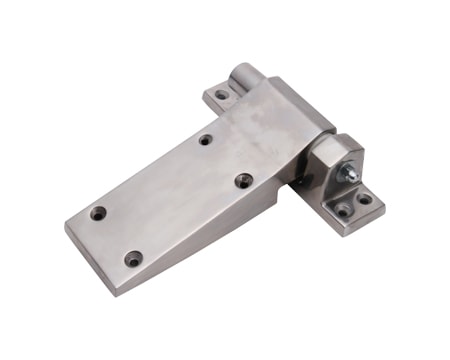
How Cold Affects Fire-Rated Hinge Performance
Cold starts shrink hinge parts. Fire then rapidly expands them. Most failures happen in this transition. Dual stress cycles must be tested: contraction at -20°C, expansion at 1000°C. This is why I recommend hinges with both thermal test data and salt spray reports. A hinge may resist fire but corrode under refrigeration humidity, loosening the fasteners over time. Cold storage clients often overlook the value of Adjustable Torque Stainless Steel Hinge models—they allow fine-tuning of closure resistance, compensating for long-term material fatigue in cold-fused doors.
Self-Closing Hinges: Are They Fire-Rated?
Not always. Spring load does not equal fire rating. Only labeled spring hinges tested to UL/EN standards qualify for fire-rated use. Some facilities wrongly retrofit Spring Loaded Butt Hinges into fire-rated doors, thinking the auto-close function complies with code. But without fire-cycle testing, the spring can lose tension or distort under heat. I always advise checking for dual certification on both spring fatigue cycles and fire exposure. Otherwise, you’re adding function and losing compliance.
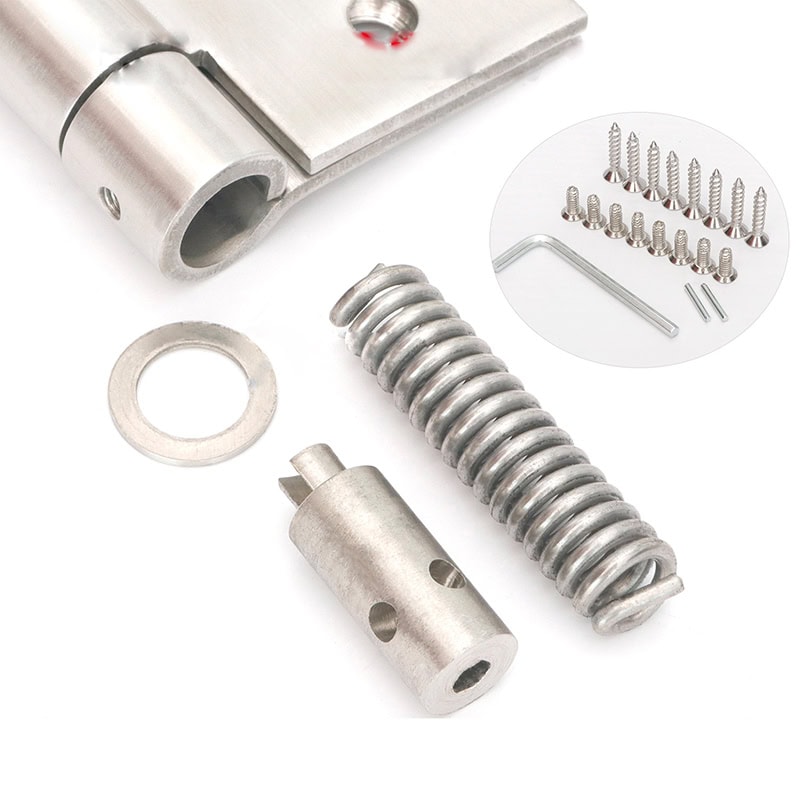
Are Concealed Hinges Suitable for Fire-Rated Doors?
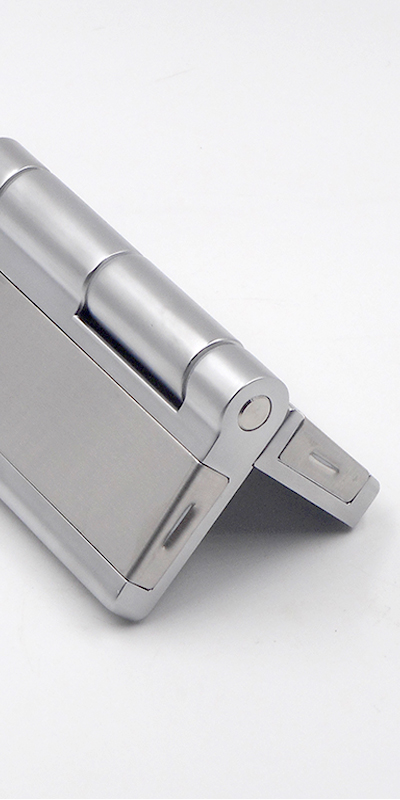
Only if they’re rated. Many concealed hinges fail during fire due to complex structures. Fire-rated concealed hinges use fewer moving parts and internal heat shields. Design engineers love lamp concealed hinges for their aesthetics and flush profiles. But in real fires, that beauty can become a trap—non-rated internals warp or lock up. Some manufacturers offer certified concealed brass hinges, but test reports must match your door specs. If not, even top-tier concealed models won’t pass inspection.
Which Hinge Grades Are Fire-Rated?
Grades alone don’t confirm fire rating, but higher grades are more likely to be tested. Grade 13 and 14 hinges are commonly fire-rated; Grade 7 rarely meets fire test standards. Confusion around hinge grade vs. fire rating causes delays in B2B sourcing. I often explain this to buyers: Grade = load and cycle count. Fire rating = tested under heat. They’re separate systems. Hinge Weight Rating charts help, but they don’t substitute for certification documents. Always ask for the test report, not the product catalog.
How to Identify a Fire-Rated Hinge
Look for certification stamps, part numbers, or fire labels—usually etched into the hinge leaf. Verified fire-rated hinges list UL, CE, or EN marks, along with temperature and duration ratings.
If you’re unsure, check the manufacturer’s certification database. I’ve seen cases where hinges looked identical, but one had a graphite washer and passed UL, while the other melted in 12 minutes.
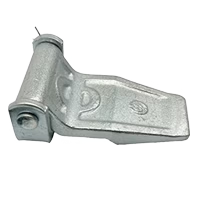
Some high-quality ball bearing butt hinges include fire-rated versions, but only if specified. Never assume catalog visuals tell the full story.
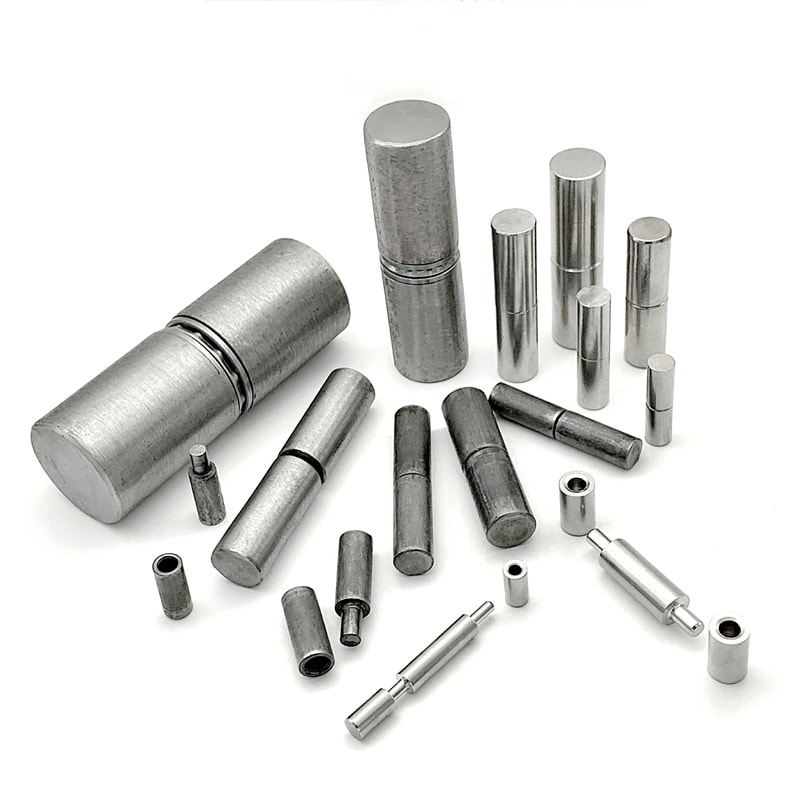
What Happens If the Hinge Is Not Fire-Rated?
It fails—door sags, gaps open, seals fail, fire spreads. Non-rated hinges cause early failure of door integrity, leading to safety and legal risks.
One case: a cold storage unit in Israel installed standard enclosed trailer door hinges. A fire in the adjacent dock melted the hinge, swung the door open, and destroyed two refrigerated lines. The insurance claim was rejected due to non-compliant hardware. For cold storage, fire containment isn’t just about walls. The hinge is the last moving part holding the line.
Should You Customize Hinges for Fire-Rated Cold Rooms?
Yes, especially when using unique door thicknesses or insulation builds. Custom hinges allow tolerance tuning, better stress alignment, and thermal break design. At IHINGES, we’ve helped sheet metal manufacturers redesign standard hinge sets into fire-rated cold room hardware, adding expansion slots, dual-pin systems, and low-conductivity mounts. The goal is not just compliance—but survival during real emergencies.
Conclusion
Fire-rated hinges in cold storage aren’t accessories—they’re engineered insurance against structural failure. If your project requires hinges that cannot be standardized, IHINGES is built for that exact need. IHINGES is the world’s only manufacturer dedicated exclusively to custom industrial hinges, focusing on real industrial applications rather than off-the-shelf products.