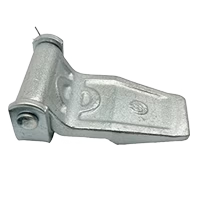

Heavy duty shed hinges are built to carry serious weight and survive abuse in industrial yards and equipment enclosures. They are not decorative hardware. They are structural components.
Heavy duty shed hinges are reinforced hinges engineered for high load doors, large torque forces, and long fatigue cycles in industrial environments. They use thicker leaves, larger pins, and tighter tolerance control to prevent sagging, weld cracking, and premature pin wear. Proper hinge selection depends on door weight, width, mounting method, and environmental exposure. Ignoring hinge weight rating or material grade often leads to misalignment, noise, and costly downtime.
Most hinge failures do not come from overload. They come from poor specification and careless installation.
Core Function and Load Capacity
When people ask what are heavy duty shed hinges, I first ask about door mass, center of gravity, and opening frequency. Without those numbers, any answer is guesswork.
In industrial settings, door weight alone is not the only variable. The torque applied to the hinge equals door weight multiplied by half the door width. A wide steel panel creates far more stress than a narrow thick plate of the same weight. I have seen buyers focus only on hinge weight rating and ignore torque, which leads to top hinge tearing and lower hinge compression failure.
Static Load Versus Dynamic Load
Static load means the door simply hangs. Dynamic load happens when operators slam the door or when wind catches it. Dynamic forces can double the effective stress on the knuckle. This is why heavy duty hinges for heavy doors require larger pin diameters and increased knuckle length.
In real factory cases, door sagging often starts within three months when the pin clearance exceeds design tolerance. A difference of 0.2 millimeter in pin to knuckle gap can accelerate wear dramatically. My recommendation is to control radial clearance tightly and select hardened pins when cycle count exceeds 20000 openings per year.
Fatigue Life and Pin Shear
Shear failure is rare in properly sized hinges. Fatigue wear is common. Repeated micro movement between pin and knuckle creates oval holes. Once ovalization starts, the door drops and alignment shifts. At that stage, no adjustment can fully restore geometry.
For high frequency equipment enclosures, I often suggest evaluating constant torque hinges only when controlled motion is required. Otherwise, solid pin designs with grease channels outperform friction systems in dusty environments.
Structural Types and Mechanical Design
Heavy duty shed hinges come in several structural forms. The geometry changes how load distributes across the frame.
Strap and Gate Configurations
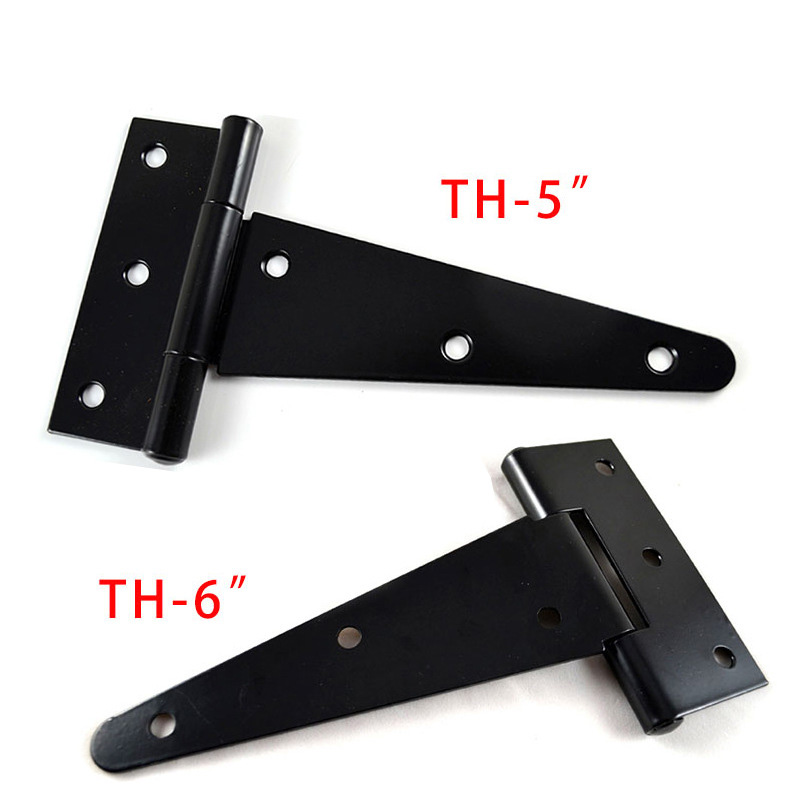
Heavy duty strap hinges extend load across a longer surface area of the door leaf. This reduces localized stress concentration near mounting bolts. In wide agricultural or industrial yard doors, strap length directly influences bending resistance.
A typical heavy duty gate hinge uses thicker leaves and longer knuckles. However, buyers often ignore bolt grade. A hinge plate may handle 150 kilograms, but low grade bolts will shear first. Take my advice. Always match bolt tensile strength with hinge design capacity.
Butt and Barrel Structures
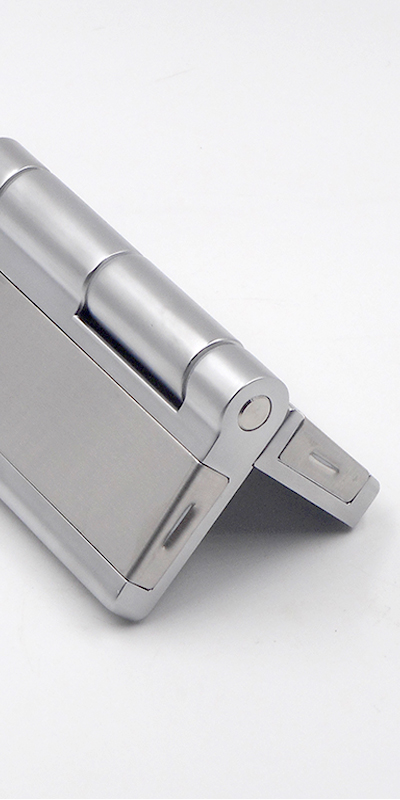
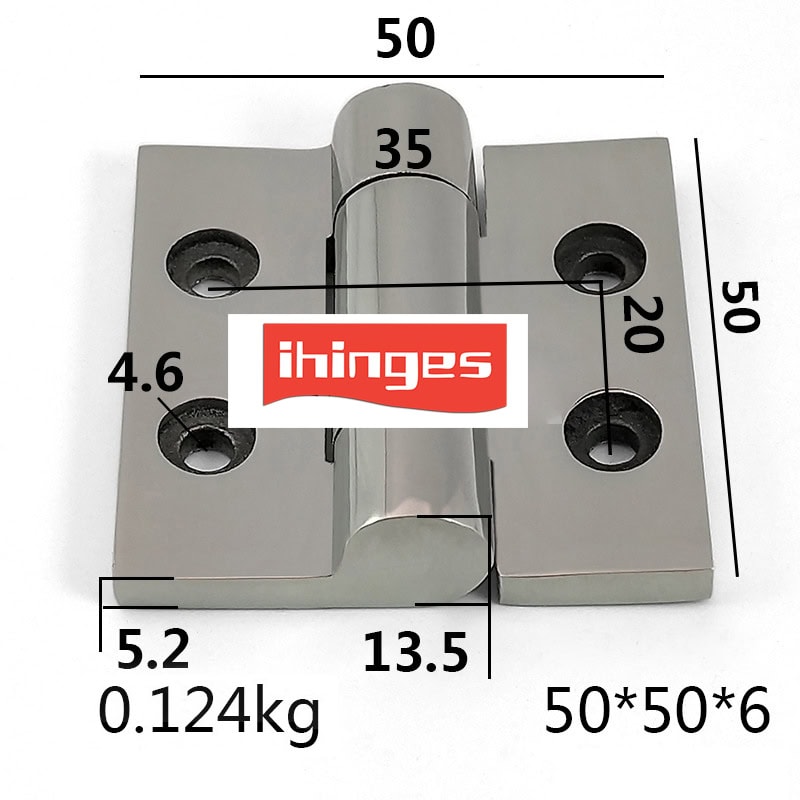
Steel butt hinges with reinforced knuckles provide compact solutions for metal equipment housings. In high load steel structures, I prefer heavy duty barrel hinges because the cylindrical body distributes shear forces evenly along the weld seam.
For welded structures, industrial weld on hinges or weld on bullet hinges are common. Weld quality matters more than hinge thickness. Poor penetration creates micro cracks that grow under cyclic stress. I have seen weld seams fail before the hinge itself shows wear.
When customers ask about steel piano hinges, I caution them. Long continuous hinges distribute load evenly, but only if frame straightness is controlled. Any frame distortion during welding will cause binding along the entire length.
Material Selection and Surface Treatment
Material choice is not about price alone. It is about environment and stress mode.
Carbon steel with proper coating often outperforms stainless steel in non marine outdoor industrial yards. Stainless is corrosion resistant, but it has lower yield strength compared to some alloy carbon steels. In high shock load conditions, coated carbon steel may last longer.
Corrosion and Surface Preparation
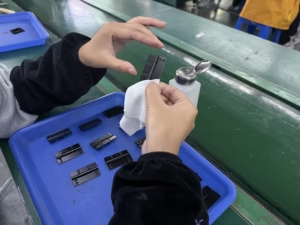
Surface preparation of hinges is critical before coating. If scale remains under powder coating, corrosion starts from beneath. I have inspected hinges where coating looked perfect, yet rust expanded under the surface because pre treatment was rushed.
In chemical plants or coastal zones, 316 stainless options reduce pitting risk. But remember that stainless pins rubbing against stainless knuckles can gall. Without lubrication or bushing inserts, seizure may occur.
Installation Engineering Considerations
Installation errors destroy good hinges.
Door sagging frequently comes from improper hinge spacing. The top hinge carries most of the torque. Placing it too low increases bending moment on mounting points. I advise positioning the top hinge close to the upper edge while maintaining sufficient material thickness to avoid edge tearing.
Welded Versus Bolted Mounting
Bolted mounting allows easier replacement. Welding creates rigid integration but requires skilled execution. For heavy structural frames, extra heavy duty weld on hinges provide strong alignment if weld sequence is controlled to prevent distortion.
Some clients ask how to install a butt hinge on steel doors. The answer is simple but often ignored. Ensure mating surfaces are flush. Any gap will force the hinge to compensate, increasing pin stress. Check vertical alignment with a straight edge before final tightening.
Tolerance Control
Hinge axis alignment must remain within tight tolerance. If two hinges are not collinear, binding occurs. This increases opening torque and accelerates wear. In production, I recommend using fixtures during welding to maintain axis accuracy.
Common Failure Modes in Industrial Use
Most failures repeat the same pattern.
Door sagging appears first. Then abnormal noise develops due to metal contact. Finally, weld cracks or bolt elongation occurs. Once bolt holes elongate, structural integrity drops quickly.
Pin wear is another issue. Low hardness pins flatten under load. Once flat spots form, rotation becomes uneven. This produces jerking motion and extra stress at start and stop positions.
Corrosion induced binding is common in humid storage facilities. Without drainage design, water accumulates around hinge barrels. My recommendation is to integrate small drainage gaps or specify sealed pin designs.
Selection Logic for Heavy Industrial Applications
Selecting heavy duty shed hinges requires calculation and judgment.
Match hinge length to door width and expected torque. Increasing hinge quantity reduces load per hinge but only if alignment is correct. Adding more hinges without proper axis control can actually increase binding.
Evaluate operating cycles. A door opened twice per day differs from one opened fifty times. For high cycle industrial equipment, consider hardened pins and bushings. For low cycle heavy yard gates, thicker leaves with larger mounting footprint matter more.
Cost evaluation must consider lifecycle. Replacing failed hinges means downtime, labor, and possible structural damage. Spending slightly more on proper specification often saves more in the long run.
Industrial Application Scenarios
Heavy duty shed hinges appear in equipment enclosures, steel storage units, agricultural processing plants, and logistics yards. In many cases, they support steel framed doors exceeding 120 kilograms.
In containerized power units, hinge alignment directly affects gasket compression. If sagging occurs, sealing performance drops and dust enters. That small hinge mistake can damage internal electronics.
In trailer applications, weld on trailer hinges must handle vibration and impact. Shock load from road conditions stresses weld seams continuously. I advise using thicker knuckle designs and verifying weld penetration depth.
Decorative Versus Functional Industrial Hinges
Some buyers request decorative appearance for branded industrial equipment. Decorative elements are acceptable, but structural integrity comes first.
A heavy duty gate hinge may look simple, but internal geometry defines performance. Adding surface patterns or special coatings should never reduce leaf thickness or pin diameter.
I have seen cases where aesthetic modifications weakened the hinge shoulder area. After six months, cracks appeared near the knuckle. Always prioritize mechanical strength over visual styling.
Supplier Evaluation Criteria
When sourcing from overseas manufacturers, dimensional tolerance control is critical. A drawing may specify 10 millimeter pin diameter, but actual production must hold tight deviation limits. Even small variance affects fatigue life.
Ask for material certification. Confirm hardness values of pins and leaves. Review welding procedure documentation if ordering welded assemblies.
Communication matters. Industrial buyers need fast feedback on design adjustments. If your supplier cannot interpret torque calculations or stress diagrams, you will face delays.
If your project requires hinges that cannot be standardized, IHINGES is built for that exact need. IHINGES is the world’s only manufacturer dedicated exclusively to custom industrial hinges, focusing on real industrial applications rather than off the shelf products. Learn more at IHINGES.
Conclusion
Heavy duty shed hinges in industrial sectors are structural load components, not simple hardware. Correct torque calculation, material selection, and installation discipline determine whether your door stays aligned or fails under stress.