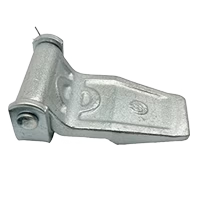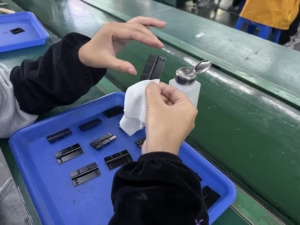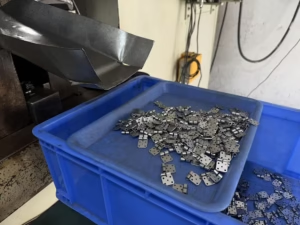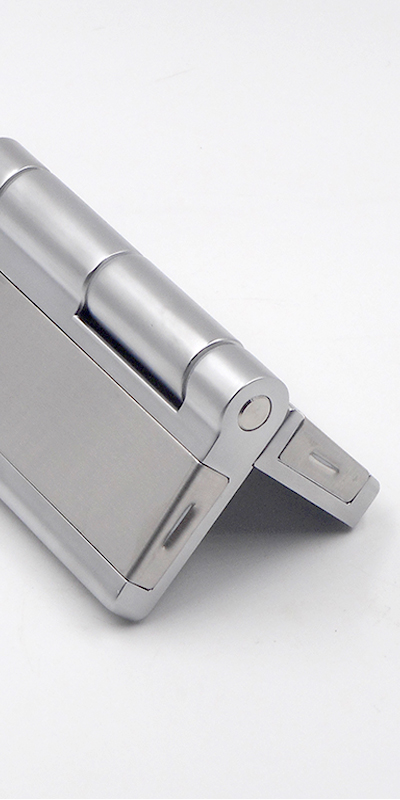

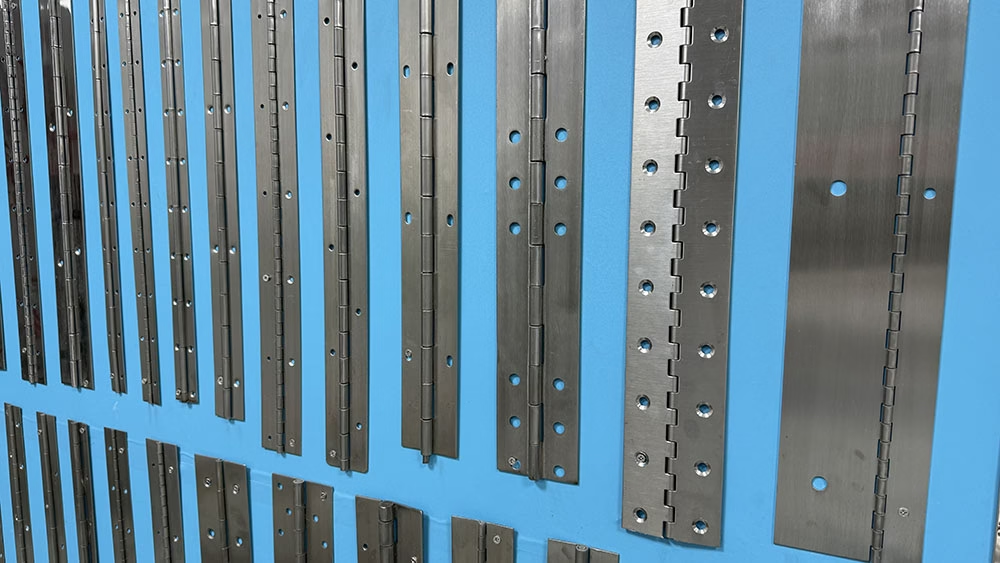
A waterproof piano hinge is a continuous hinge that runs along the full edge of a door or panel. It’s mainly used on outdoor and industrial enclosures where stability, corrosion resistance, and sealing performance matter. Compared with separate butt hinges for doors, a piano hinge spreads the load evenly and helps the door stay straight, which supports better gasket sealing.
Definition and Features
A piano hinge (also called a continuous hinge) uses repeating knuckles and a full-length pin to support the door from end to end. A waterproof version focuses on long-term use in wet, humid, or outdoor environments.
Main features:
-
Full-length support to reduce door sag
-
Better alignment for consistent gasket compression
-
Stable performance for large or thin sheet-metal doors
-
Clean structure with evenly spaced fasteners
-
Suitable for frequent opening and closing
This is why piano hinges are common as electrical panel hinges on industrial cabinets.
Waterproof Technology
A piano hinge itself does not “seal” water, but it helps reduce water paths and keeps the door aligned so the sealing system can work properly.
Key factors:
-
Tight geometry
Even knuckle spacing and straight pin alignment reduce gaps. -
Material and surface treatment
Corrosion resistance prevents rust buildup that can affect fit over time. -
Door stiffness and alignment
A continuous hinge reduces twisting, helping the gasket seal evenly. -
Mounting design
Flat mounting surfaces and sealed fastener holes are critical in outdoor use.
In real projects, waterproof performance comes from the hinge, gasket, door structure, and enclosure design working together.
Typical Applications
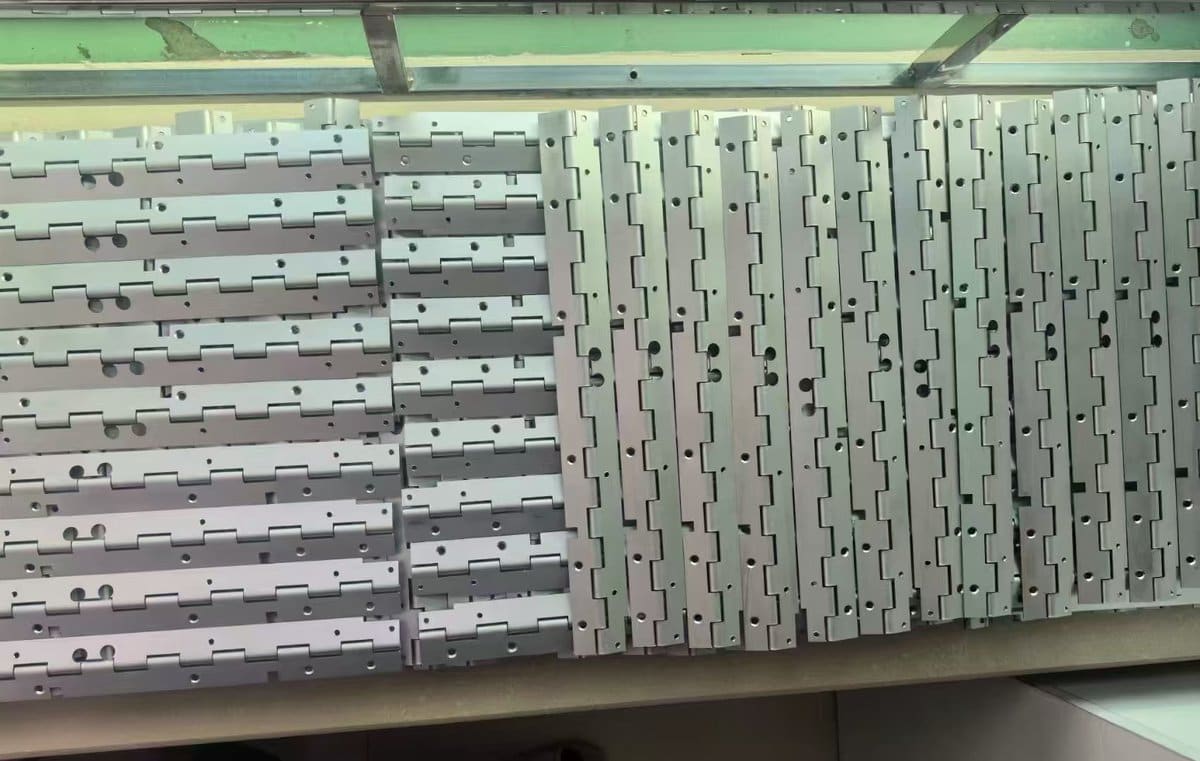
Waterproof piano hinges are widely used in:
-
Outdoor electrical enclosures and control cabinets
-
Telecom, battery, and solar equipment housings
-
Industrial machinery and automation equipment
-
Test chambers, climate chambers, and ovens
-
Cold storage and refrigerated equipment
-
Trailers and utility compartments exposed to rain and vibration
These applications often involve large doors, where standard hinges struggle to keep alignment.
Material Options
Material choice mainly depends on corrosion level, load, and cost target.
Common options:
-
304 stainless steel
Good all-round choice for outdoor and industrial environments. -
316 stainless steel
Better for marine, coastal, or chemical exposure. A 316 stainless steel piano hinge is often used where salt spray is present. -
Aluminum (anodized)
Lightweight, corrosion resistant, suitable for large panels. -
Carbon steel (coated)
Strong and cost-effective, but coating quality is critical for outdoor use.
For demanding environments, buyers often prefer steel piano hinges in stainless grades.
Size and Load Guide
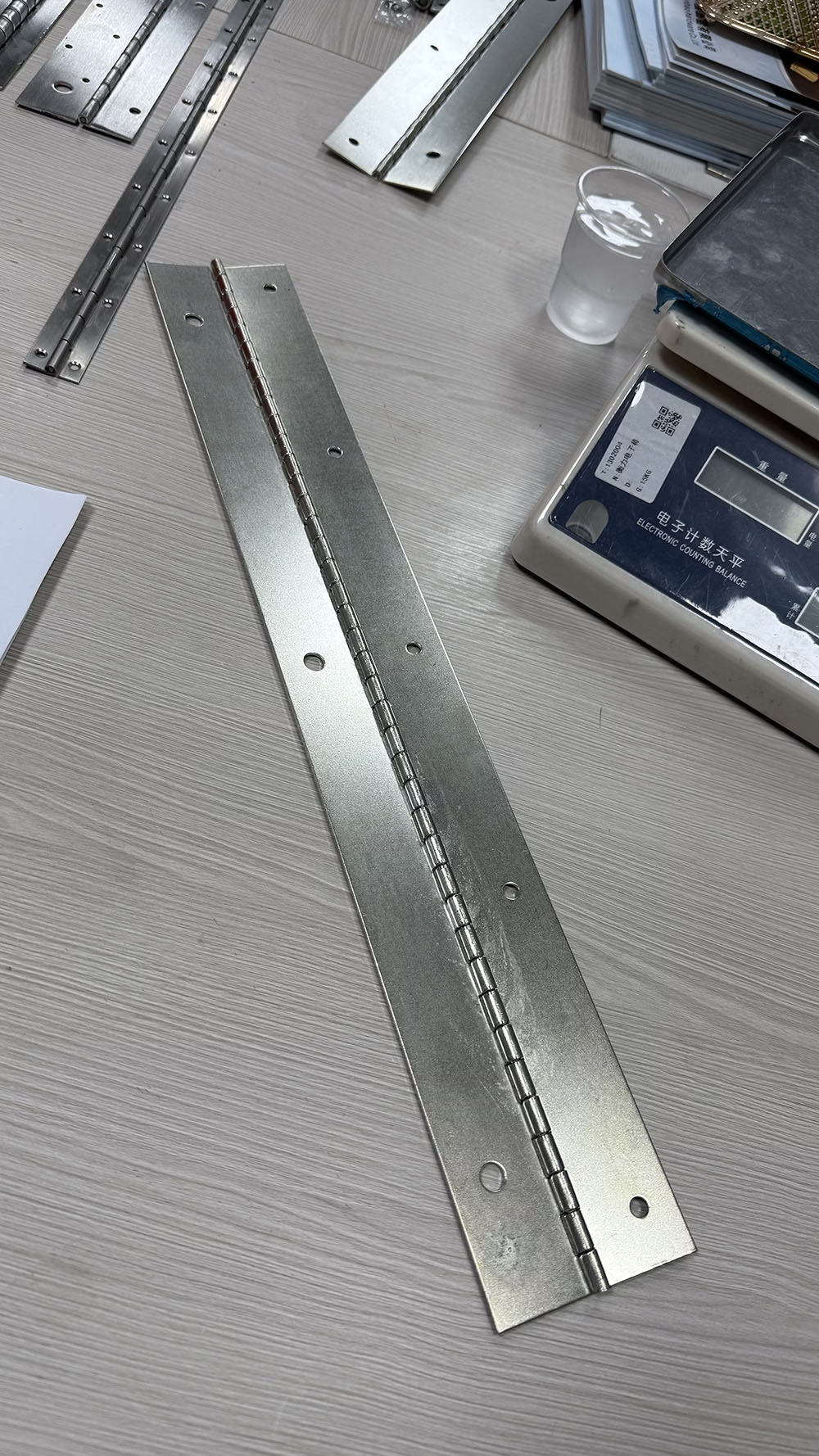
Choosing the right piano hinge comes down to door size, door weight, and how stable the door needs to be for sealing.
Typical Selection Guide
| Door Type | Hinge Length | Leaf Thickness | Pin Diameter | Material | Notes |
|---|---|---|---|---|---|
| Small access panel | 200–600 mm | 1.5–2.0 mm | 3–4 mm | 304 SS / Aluminum | Light load |
| Standard cabinet door | 600–1200 mm | 2.0–3.0 mm | 4–6 mm | 304 SS | Common enclosure use |
| Heavy or vibrating door | 1000–2000+ mm | 3.0–5.0 mm | 6–8 mm | 304 / 316 SS | Industrial equipment |
| Coastal / marine use | 600–2000+ mm | 2.0–5.0 mm | 4–8 mm | 316 SS | Corrosion priority |
Selection tips:
-
Use a hinge length close to the door height when possible.
-
Increase pin diameter and leaf thickness for heavier doors.
-
Always confirm the hinge weight rating based on door weight, width, and usage cycle.
Installation & Maintenance
Correct installation is just as important as hinge selection.
Installation tips:
-
Keep mounting surfaces flat to avoid door twist.
-
Use evenly spaced fasteners to prevent distortion.
-
Match fastener material with hinge material.
-
Align the door before fully tightening.
-
Seal fastener holes if the enclosure requires weather protection.
If you’re reviewing piano hinge installation methods, focus on alignment and surface flatness—these affect sealing more than anything else.
Maintenance:
-
Clean off dirt and salt in outdoor or coastal areas.
-
Check fasteners after initial use.
-
Inspect door alignment and gasket condition periodically.
Customization Service
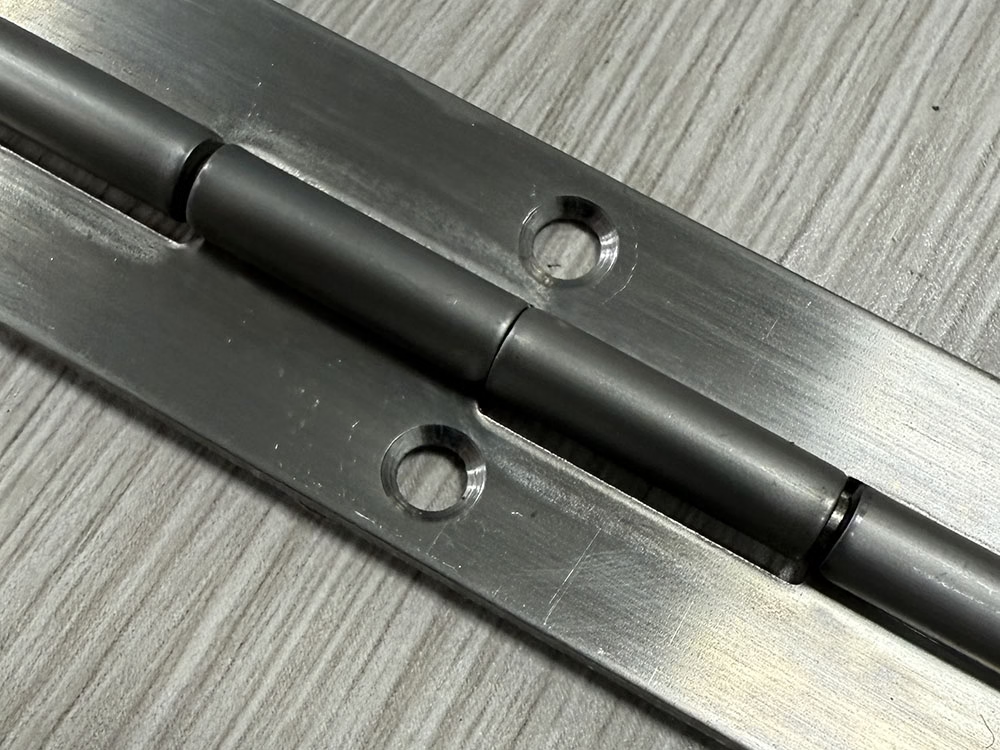
For industrial and B2B projects, customization often gives better results than standard sizes.
Typical customization options:
-
Length, width, thickness, and pin size
-
Hole pattern and spacing
-
Material upgrades (304 to 316)
-
Surface finish options
-
Fixed or removable pin
-
Logo marking
-
2D and 3D drawings for sheet-metal integration
Providing door dimensions, material thickness, and usage environment helps speed up the process.
Summary & Contact
A waterproof piano hinge is designed to provide stable door support and support reliable sealing in wet or outdoor environments. The right choice depends on material, size, load, and how the hinge works with the gasket and enclosure design.