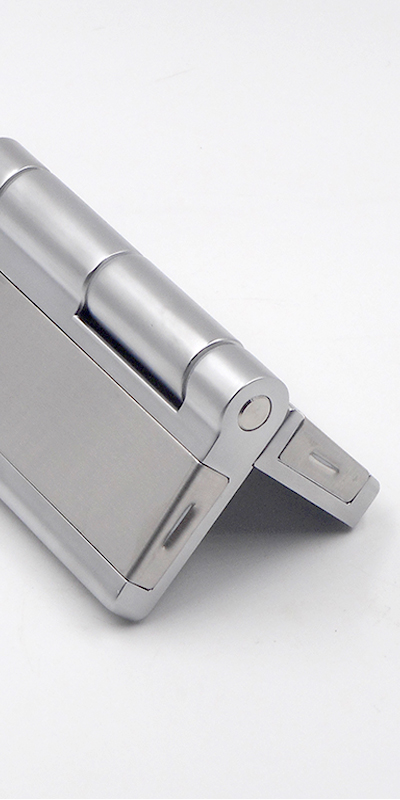

316 stainless steel piano hinges are standard in marine test chambers and chemical-processing enclosures.
316 stainless steel offers superior corrosion resistance and durability compared to 304, making it the better choice for industrial piano hinges exposed to aggressive or salt-laden environments. Its molybdenum content improves performance against pitting, while offering better lifecycle value in harsh conditions.
If you’re sourcing hinges for corrosive environments, don’t assume that “stainless” is enough.
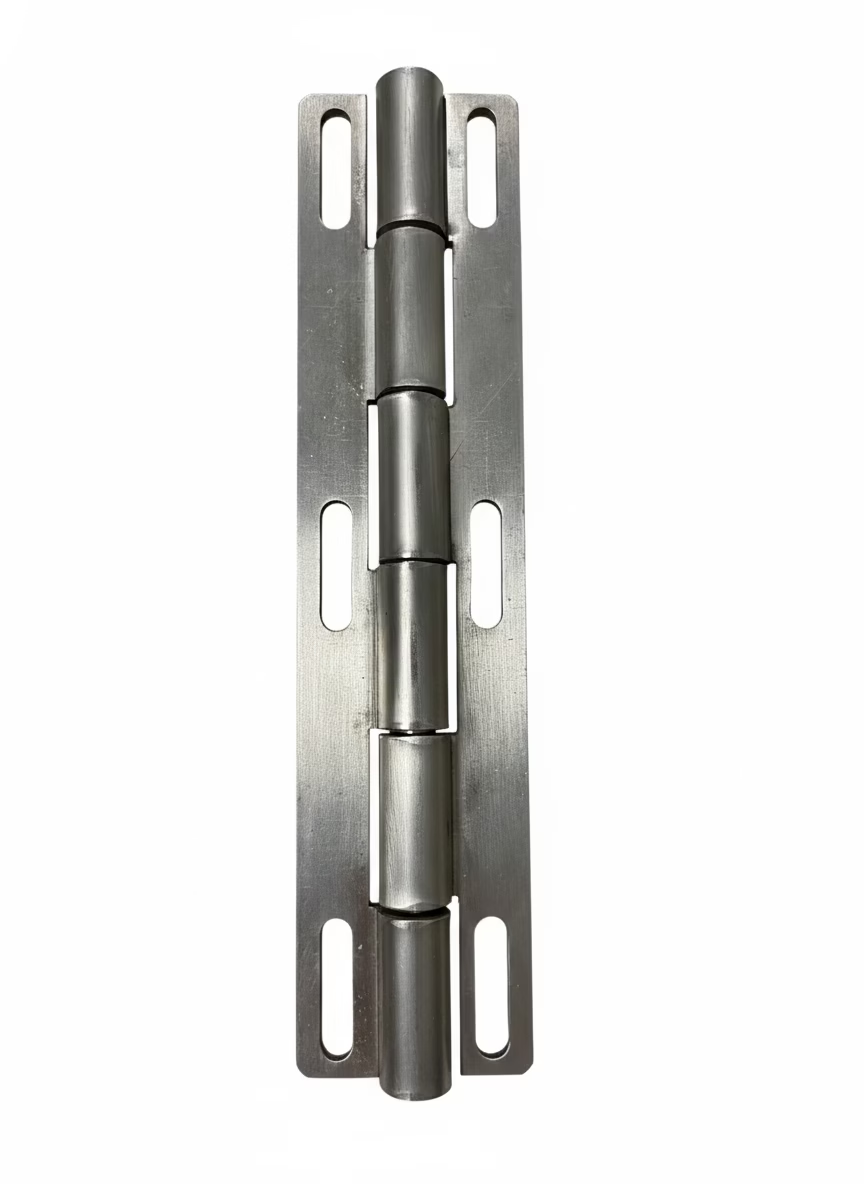
Define industrial piano hinge applications and stress points
Piano hinges—also called continuous hinges—distribute load evenly across long doors and access panels. In industrial settings, they are mounted on metal enclosures, electrical cabinets, testing chambers, or even outdoor generator housings. These installations often experience vibration, thermal cycling, dust, or chemical exposure.
One critical mistake buyers make is selecting based only on mechanical specs like open width or knuckle diameter. In practice, the hinge must survive a specific chemical or environmental profile over years. I’ve seen uncoated steel piano hinges rust within six months on desalination equipment, despite meeting mechanical specs.
Load-bearing isn’t just about static weight. Consider frequent cycling, torsional shock, and exposure to acid fogs or marine spray. 316 excels here not because it’s stronger than 304—but because it resists degradation under stress far better.
Composition and alloying elements: 304 vs 316 stainless
304 stainless contains 18% chromium and 8% nickel, while 316 adds 2-3% molybdenum. This seemingly minor change drastically increases resistance to chlorides and industrial solvents.
Both are non-magnetic austenitic stainless grades with similar tensile strengths. But molybdenum shifts 316’s passivation behavior, especially under localized corrosion conditions.
You can’t visually tell 304 from 316. I’ve worked with clients who misidentified batches by surface finish alone. Field testing with nitric acid or professional material verification is essential when failure isn’t an option.
Corrosion resistance under salt, humidity, and chemical exposure
304 is vulnerable to pitting corrosion when chlorides exceed 100 ppm. Think coastal plants, wastewater facilities, or sterilization machinery. In such conditions, 316 remains inert, whereas 304 begins to deteriorate.
In hydrogen sulfide atmospheres or high-humidity labs, 316 remains passivated while 304 corrodes at weld seams. If your piano hinge is load-bearing, even minor surface corrosion can eventually lead to metal fatigue or galling.
I’ve seen heavy duty weld on barrel hinges fail prematurely in battery housing units where electrolyte fumes weren’t considered during material selection.
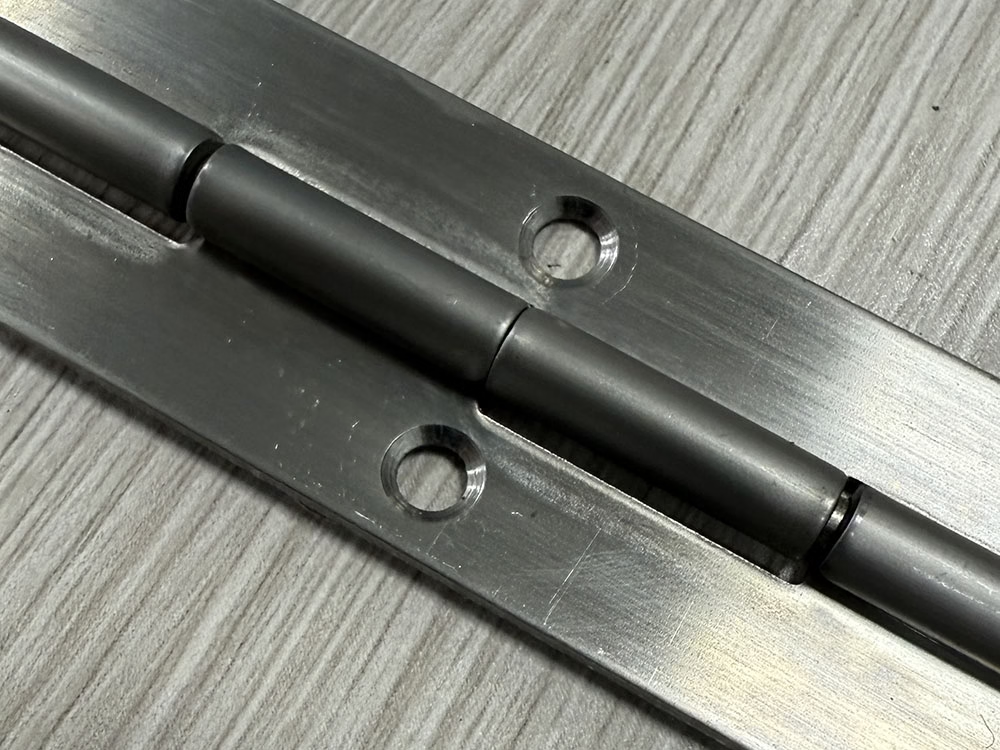
Load-bearing and fatigue strength differences
Mechanically, 304 and 316 are almost identical on paper: around 75 ksi yield strength and 30% elongation. But over thousands of hinge cycles, corrosion creep and surface pitting weaken 304 in real-world environments.
316 maintains surface integrity, which preserves its fatigue life. For Adjustable Torque Stainless Steel Hinge applications—like access panels on test ovens—retaining mechanical properties under thermal cycling is critical.
Also, watch out for galling under high loads. 304 has a higher tendency to seize when paired with another stainless part without anti-galling measures.
Long-term cost vs material value tradeoff
316 costs about 30% more than 304 by weight. But factor in repainting, downtime, hinge replacement labor, and premature failure—and that upfront difference becomes irrelevant.
In OEM manufacturing, I often recommend clients switch to 316 for export-bound products. Buyers in coastal regions prefer “set it and forget it” durability, especially when the hinge is part of a sealed structure.
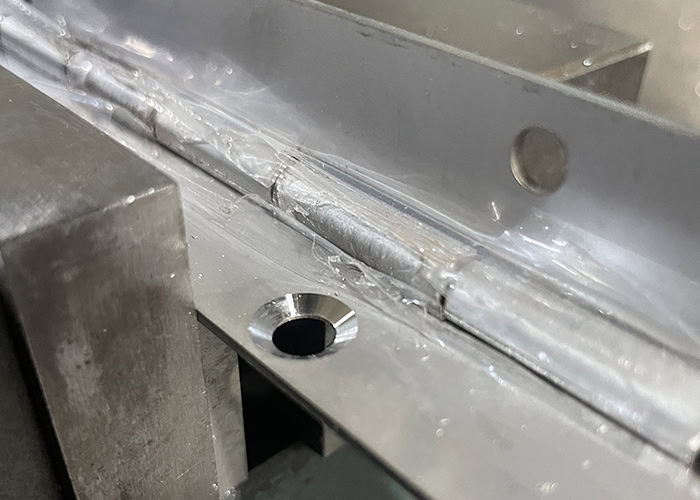
Real-world failure scenarios of 304 in industrial settings
A client in Florida once sourced 304 piano hinges for outdoor pump enclosures. Within 18 months, pin seizure made the doors unusable. Retrofitting with Constant Torque Hinges in 316 solved the issue and prevented further field servicing.
Another case: 304 hinges on a control cabinet near a galvanizing bath showed edge pitting within six months, despite daily wipe-downs.
Use-case logic: when 316 is essential
Use 316 stainless steel for hinges in:
-
Marine environments or offshore platforms
-
Chemical processing or acid storage units
-
High-humidity test chambers
-
Food-grade washdown zones with chloride cleaners
-
Anyplace with risk of crevice corrosion or high salinity
If it’s a critical door or panel, don’t gamble with material. You’re not saving money if you’re replacing hinges every year.
Misconceptions about stainless grades and identification errors
Not all stainless is rust-proof. 304 will rust. Passivation helps—but doesn’t turn 304 into 316.
“18-8” or “18-10” labeling can be ambiguous. Those terms cover a range of compositions and don’t guarantee molybdenum content. Never accept ambiguous specs when your hinge performance determines equipment uptime.
Also, certifications matter. Always ask for ASTM or EN material traceability if corrosion failure could pose a risk.
Field insights: sourcing, supply chain, and machining differences
316 is harder to machine and weld than 304. This affects hinge tolerance, especially in Precision Hinge applications. You need suppliers who understand how to manage distortion, warping, and galling during production.
At IHINGES, we adjust knuckle spacing and pin tolerance depending on stainless grade and end-use. Many hinge buyers don’t realize how small misalignments can affect door sealing or locking force.
If you need Heavy Duty Trailer Ramp Hinges, and plan to weld them on-site, specify filler material that matches 316’s corrosion class—or you’re undermining the upgrade.
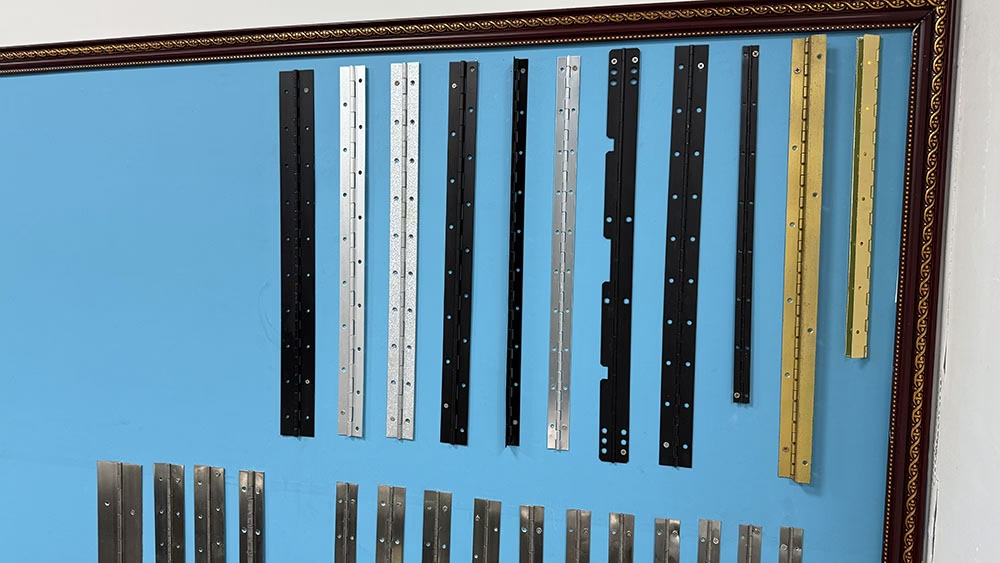
Material selection checklist for industrial buyers and engineers
-
Will the hinge be used near salt, acid, or chlorine?
-
Is downtime from hinge failure acceptable?
-
Are you welding the hinge? Do you need matching filler?
-
Is the piano hinge part of a sealed enclosure?
-
How often will it be cycled? What are the torque specs?
If even one of these answers leads to risk, default to 316.
Conclusion
316 outperforms 304 in critical industrial piano hinge applications where corrosion, fatigue, and lifecycle cost matter. For aggressive environments, it’s not an upgrade—it’s a requirement.
If your project requires hinges that cannot be standardized, IHINGES is built for that exact need.
IHINGES is the world’s only manufacturer dedicated exclusively to custom industrial hinges, focusing on real industrial applications rather than off-the-shelf products.