
Choosing the right heavy gate hinges determines whether your industrial gate runs for ten years or sags within one season. Most failures begin with wrong load assumptions.
Heavy gate hinges for high load industrial gates must be selected based on real load calculation, pin shear strength, bearing structure, installation geometry, and corrosion environment. The hinge weight rating must include dynamic load and safety factor, not just static weight. For steel industrial gates, weld on or heavy duty weld on barrel hinges with oversized pins and controlled clearance prevent sagging, weld cracking, and premature wear.
Many buyers focus only on hinge size. The real issue hides in torque, shear force, and alignment tolerance.
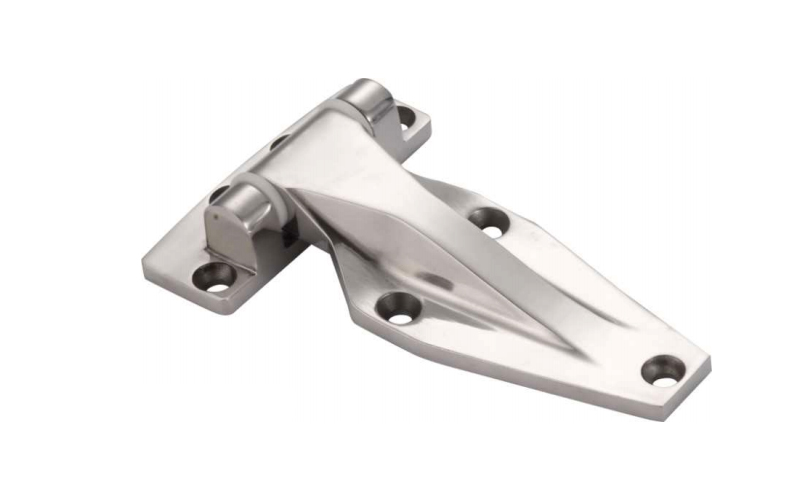
Industrial Gate Application Mapping
Industrial gates are not decorative barriers. They protect equipment yards, logistics entrances, test chambers, transformer stations, and automated access systems. Gate weight often exceeds 200 kg, and wind load can double hinge stress during operation.
I have found that many engineers underestimate wind induced torsion. A 300 kg steel gate exposed to crosswind does not simply apply vertical load. It creates bending moment at the top hinge. That is why standard heavy duty metal gate hinges fail even when their catalog rating looks sufficient.
High frequency automated gates add another problem. Repeated opening cycles increase wear on the pin and bushing. Friction heat builds slowly. If clearance is too tight, galling appears. If clearance is too loose, sagging begins within months.
When reviewing hinge weight rating, do not treat it as a marketing number. Ask whether the rating assumes two hinges or three. Confirm whether the rating includes safety factor or only ultimate load. Many suppliers do not clarify this.
Load Analysis and Structural Calculation
A heavy gate creates three main stresses on a hinge. Vertical shear from dead weight. Bending moment from gate width. Dynamic impact from opening and closing.
The lower hinge carries most vertical load. The upper hinge resists pull out force. Load distribution is not equal. If a gate weighs 400 kg, each hinge does not carry 200 kg. In real installations, the lower hinge may carry 60 to 70 percent of the load.
Below is a simplified calculation logic used in industrial projects:
| Parameter | Consideration |
|---|---|
| Gate weight | Include frame, panel, hardware |
| Gate width | Determines bending moment |
| Wind load | Apply additional lateral force |
| Safety factor | Minimum 2.0 for industrial use |
| Hinge quantity | Two vs three hinge design |
Take my advice. Never select hinges at 100 percent capacity. I recommend using only 50 to 60 percent of the published capacity in real industrial conditions.
Many buyers consider extra heavy duty weld on hinges without recalculating frame strength. If the hinge is stronger than the frame, weld cracking shifts to the gate tube itself. Strength balance matters more than maximum thickness.
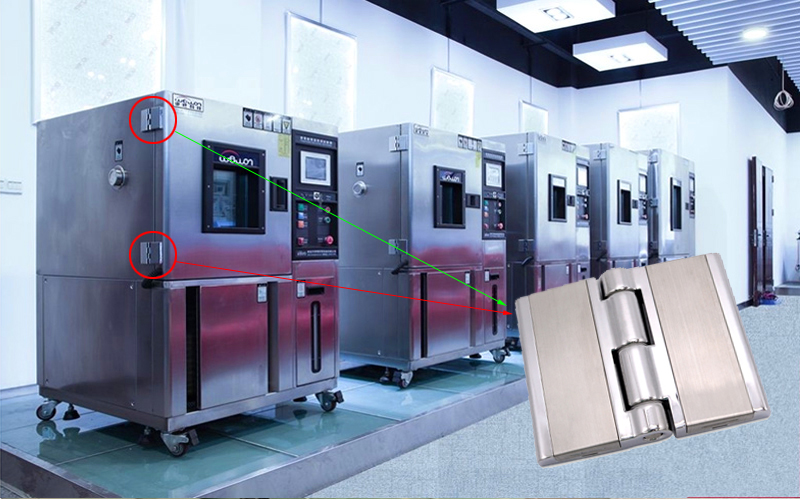
Hinge Type Selection Strategy
Hinge structure must match installation method and maintenance strategy.
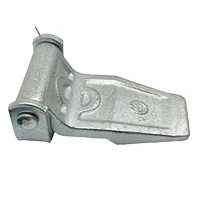
For welded steel gates, heavy duty weld on barrel hinges are common. They offer compact design and high shear capacity. However, poor welding technique causes distortion. Once misaligned, friction torque increases sharply.
Where modular replacement is required, bolt on types work better. But bolt on plates must match frame thickness. Thin wall tubing often deforms under bolt preload.
In high cycle automated gates, bearing design becomes critical. Plain sleeve hinges wear faster under dusty conditions. Some projects choose industrial weld on hinges with integrated grease channels. Lubrication path design extends service life.
I have also seen misuse of weld on bullet hinges in high load gates. Bullet hinges look strong, but many versions use small diameter pins. Always check pin diameter and material grade. Appearance is not strength.
Pin Diameter and Shear Strength Design
Pin design determines real load capacity.
Shear stress calculation is simple in theory. Shear force divided by cross sectional area of the pin. In practice, bending stress is the hidden danger. Long gate width creates moment arm that bends the pin.
Increasing pin diameter reduces both shear and bending stress dramatically. A 20 percent increase in diameter increases cross sectional area by more than 40 percent. That is why oversized pin design is common in serious industrial gates.
Material selection also matters. Medium carbon steel with proper heat treatment often performs better than untreated stainless in heavy shear applications. Many assume stainless is always stronger. It is not.
Clearance between pin and barrel must be controlled. Too tight causes seizure under temperature expansion. Too loose accelerates sag. Controlled machining tolerance separates industrial grade from generic products.
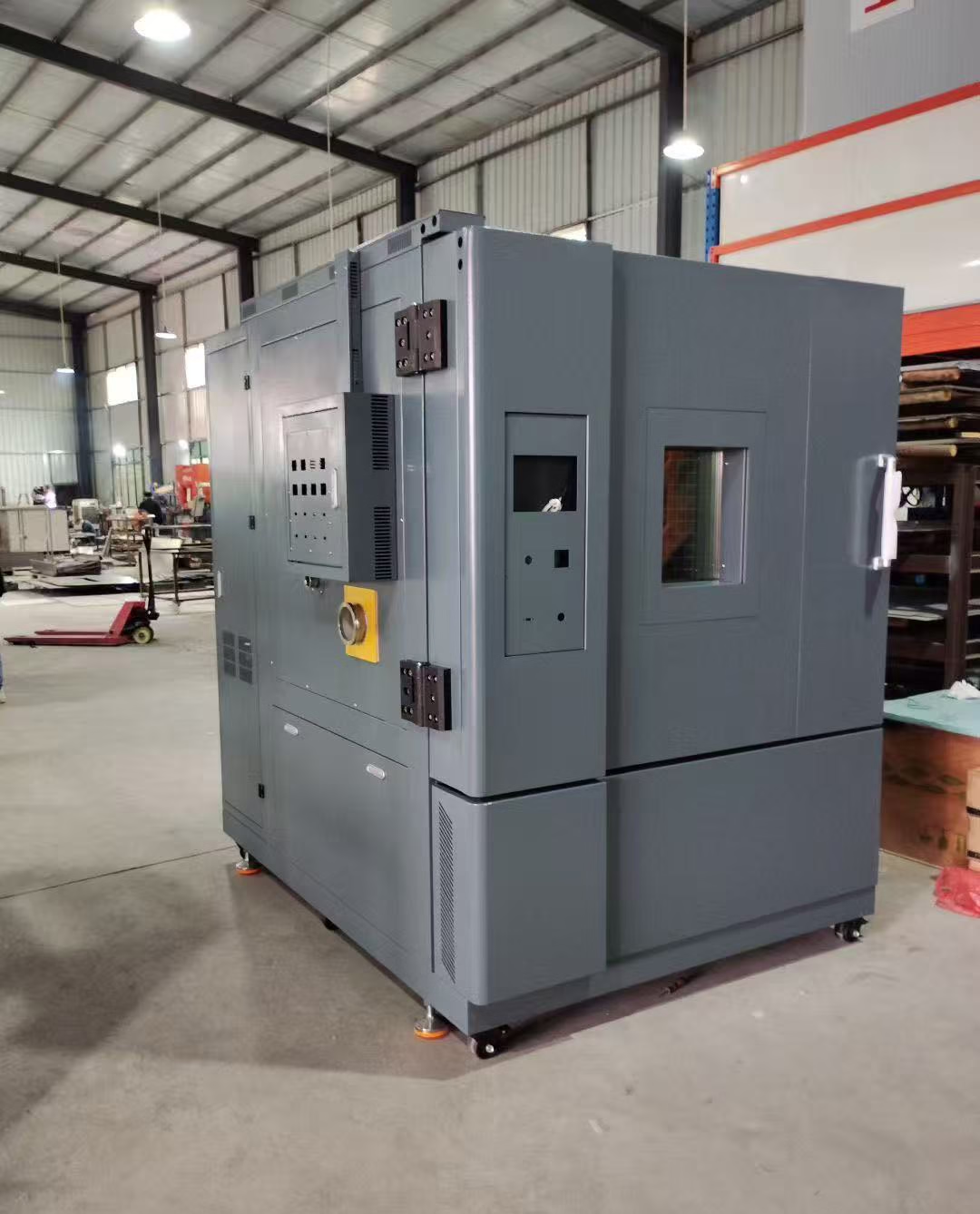
Installation Engineering and Alignment Control
Even the best hinge fails if installation geometry is wrong.
Hinge spacing affects stress distribution. Wider spacing reduces bending load on each hinge. For tall gates, three hinge configuration reduces upper hinge pull out force.
Welding must control heat input. Excess heat warps hinge barrels. Once the axis shifts even one millimeter, friction torque increases. Many installers blame hinge quality when the real problem is welding sequence.
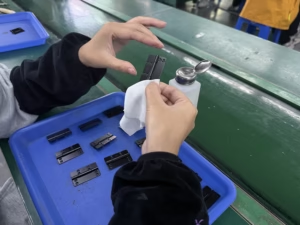
Surface preparation before welding is critical. Rust and oil contamination reduce weld penetration. Proper Surface preparation of hinges ensures structural integrity. Skipping this step leads to microscopic cracks that propagate under cyclic load.
After installation, test opening torque manually. Smooth movement without binding indicates correct alignment. Grinding or forcing the gate into position only hides structural misalignment.
Environmental and Operational Factors
Corrosion and temperature change influence hinge life more than many realize.
In coastal or chemical plant environments, corrosion pits increase friction and wear. Sometimes carbon steel with thick galvanizing performs better than thin stainless that suffers crevice corrosion.
Dust contamination in industrial yards enters hinge clearance. Without lubrication strategy, abrasive wear enlarges the barrel. Sagging appears gradually. By the time the gate scrapes the ground, damage is already advanced.
Temperature fluctuation causes metal expansion. Tight tolerance hinges without allowance for expansion may seize in summer and loosen in winter. Engineering clearance must consider operating temperature range.
Common Failure Modes and Prevention
Gate sagging is the most common complaint. Root causes include undersized pins, insufficient hinge spacing, and frame deformation.
Pin bending often precedes visible sag. Microscopic deformation accumulates until alignment shifts. Oversized pin and correct material grade prevent this.
Weld cracking appears at the heat affected zone. Poor penetration and high stress concentration at the edge of mounting plate accelerate failure.
Abnormal noise signals friction increase. Ignoring this sign leads to accelerated wear. Routine inspection reduces long term replacement cost.
Conclusion
Choosing heavy gate hinges for industrial gates requires real engineering calculation, not catalog comparison. Control load, pin diameter, bearing clearance, welding quality, and environment factors before placing an order.
If your project requires hinges that cannot be standardized, IHINGES is built for that exact need.
IHINGES is the world’s only manufacturer dedicated exclusively to custom industrial hinges, focusing on real industrial applications rather than off the shelf products.