
Industrial hinges do not become attractive because of coating or plating. I have learned that their appearance is already decided much earlier in the process. The real turning point sits in grinding and polishing.
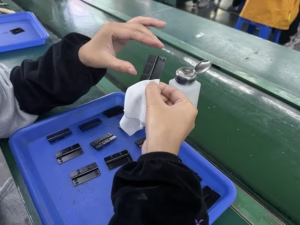
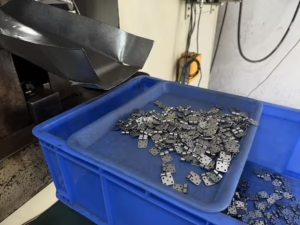
The surface finish of an industrial hinge is determined before any surface treatment begins. Grinding removes tool marks and controls geometry while polishing aligns texture and light reflection. If these steps are rushed or uneven, later treatments such as plating or coating will magnify defects instead of hiding them. A clean base surface is the only way to achieve a stable and consistent final appearance.
Once you see where appearance truly comes from, surface treatment stops feeling like magic.
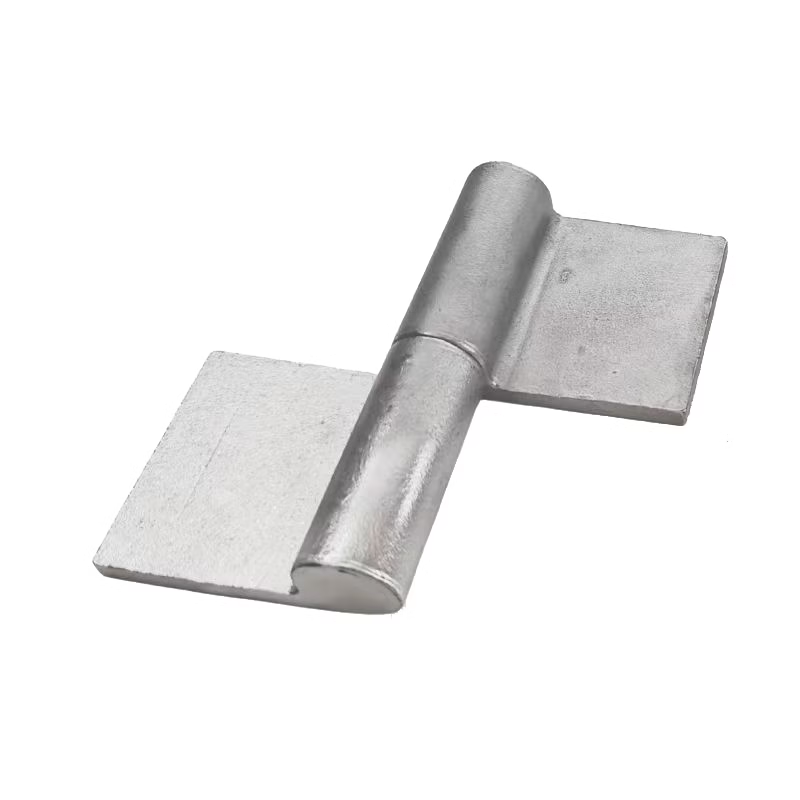
Looks Are Set Early
When I inspect a hinge blank, I can usually predict the final look before it reaches surface treatment. Grinding defines the surface plane and edge condition. If the grinder leaves waves or uneven pressure marks, those patterns remain forever.
In real production, this matters even more for parts like steel butt hinges and electrical panel hinges, where flatness controls how light reflects. A surface that feels smooth to the hand can still look rough once coated.
I have seen buyers blame plating suppliers for dull or uneven color. The real issue was inconsistent grinding pressure that distorted the base metal slightly. Surface treatment only follows what already exists.
Grinding also controls dimensional truth. If material removal is uneven, hinge leaves lose parallelism. This later causes binding or noise, even if the hinge looks acceptable at first glance.
What Bad Grinding Leaves Behind
Poor grinding always leaves clues. Tool tracks remain visible under light. Micro ridges form along feed directions. Edge lines become soft instead of sharp.
These flaws are especially obvious on precision hinge designs where geometry tolerance is tight. When surface treatment is applied, the coating thickness follows the defect profile exactly. The result is a visually louder surface, not a smoother one.
Another overlooked issue is heat. Aggressive grinding creates localized heat zones. These zones change surface hardness slightly, which leads to uneven polishing response later. I have seen identical hinges polish to different gloss levels because of this.
Once these problems exist, no downstream process can truly remove them without reworking the part completely.
What Polishing Really Fixes
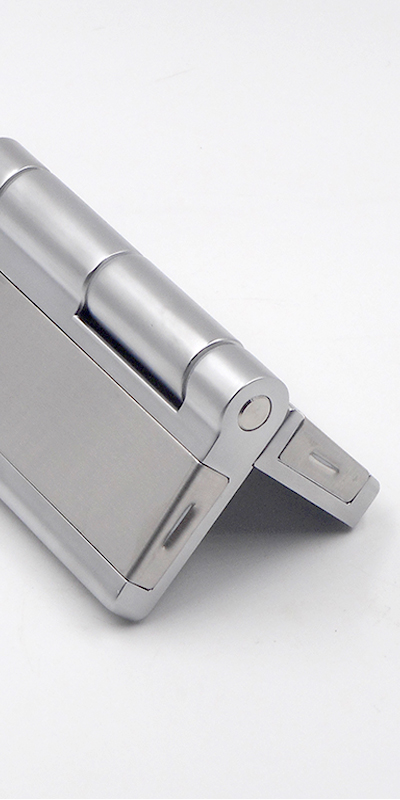
Many people think polishing is about shine. That is a misunderstanding. Polishing aligns surface texture so light behaves consistently.
A properly polished hinge does not need to be mirror bright. What matters is directional consistency. When light moves across the surface, it should flow evenly without sudden breaks.
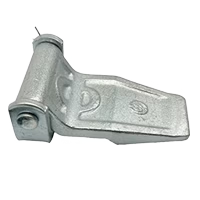
On components like industrial weld on hinges, polishing also blends weld transitions into the base material. If this step is skipped or rushed, weld zones remain visually obvious after coating.
Polishing also exposes hidden grinding errors. If polishing feels slow or uneven, it usually means grinding left inconsistent depth patterns. This feedback loop is valuable if people pay attention to it.
The Hidden Trouble Spots
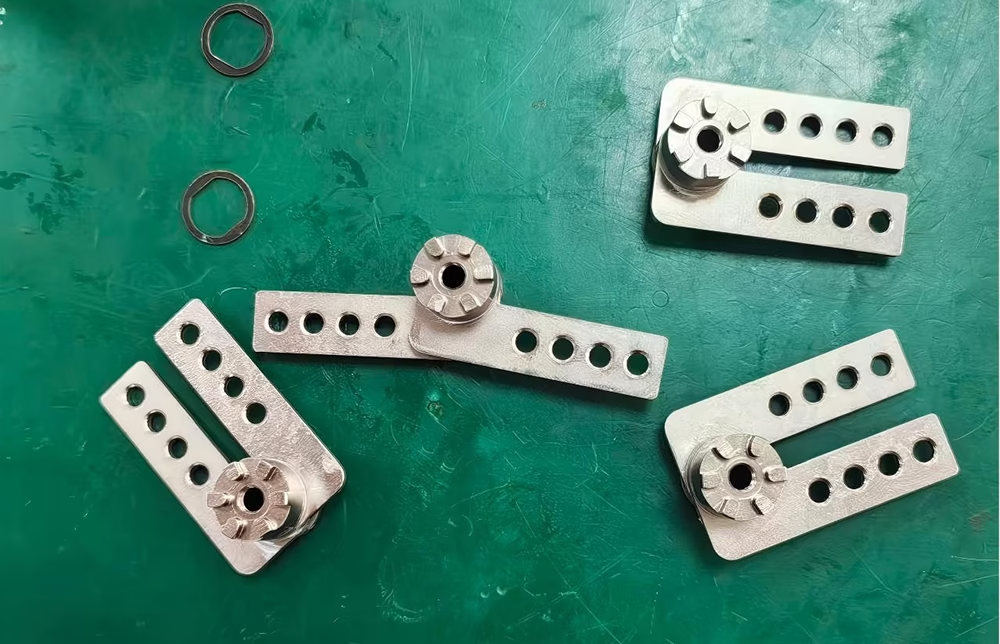
Certain areas fail more often than others. Hole edges are one example. If the hole chamfer is poorly ground, plating buildup creates thick rims that catch light.
Corners and hinge knuckles are another weak point. These areas see compound curves that require controlled hand work. Machines alone rarely handle them well.
Weld seams are the most dangerous. I have seen hinges pass visual checks before treatment, only to show ghost lines after coating. That ghosting always traces back to incomplete weld blending.
These zones matter on high load products such as heavy duty hinges for heavy doors, where appearance and structural reliability are both critical.
Why Coating Cannot Hide Errors
Surface treatment is honest. It does not hide mistakes. It enlarges them.
Plating increases contrast. Paint adds thickness. Both processes exaggerate scratches, pits, and texture mismatch. This is why a hinge can look worse after treatment than before.
I often tell buyers to inspect raw parts under angled light. If the surface already looks inconsistent, the finished part will look even worse. No chemistry can fix poor mechanical preparation.
Believing otherwise only shifts blame instead of solving the root problem.
How to Judge Before Treatment
My recommendation is simple. Touch the surface and watch how light moves across it. Do not focus on color. Focus on reflection behavior.
Run a finger across edges and holes. Sharpness should feel intentional, not accidental. Any waviness you feel will later be visible.
For functional products like weld on bullet hinges, also check symmetry. Visual imbalance usually hints at deeper dimensional issues that affect performance.
These checks take minutes but prevent costly rework and disputes later.
Right Prep for Industrial Hinges
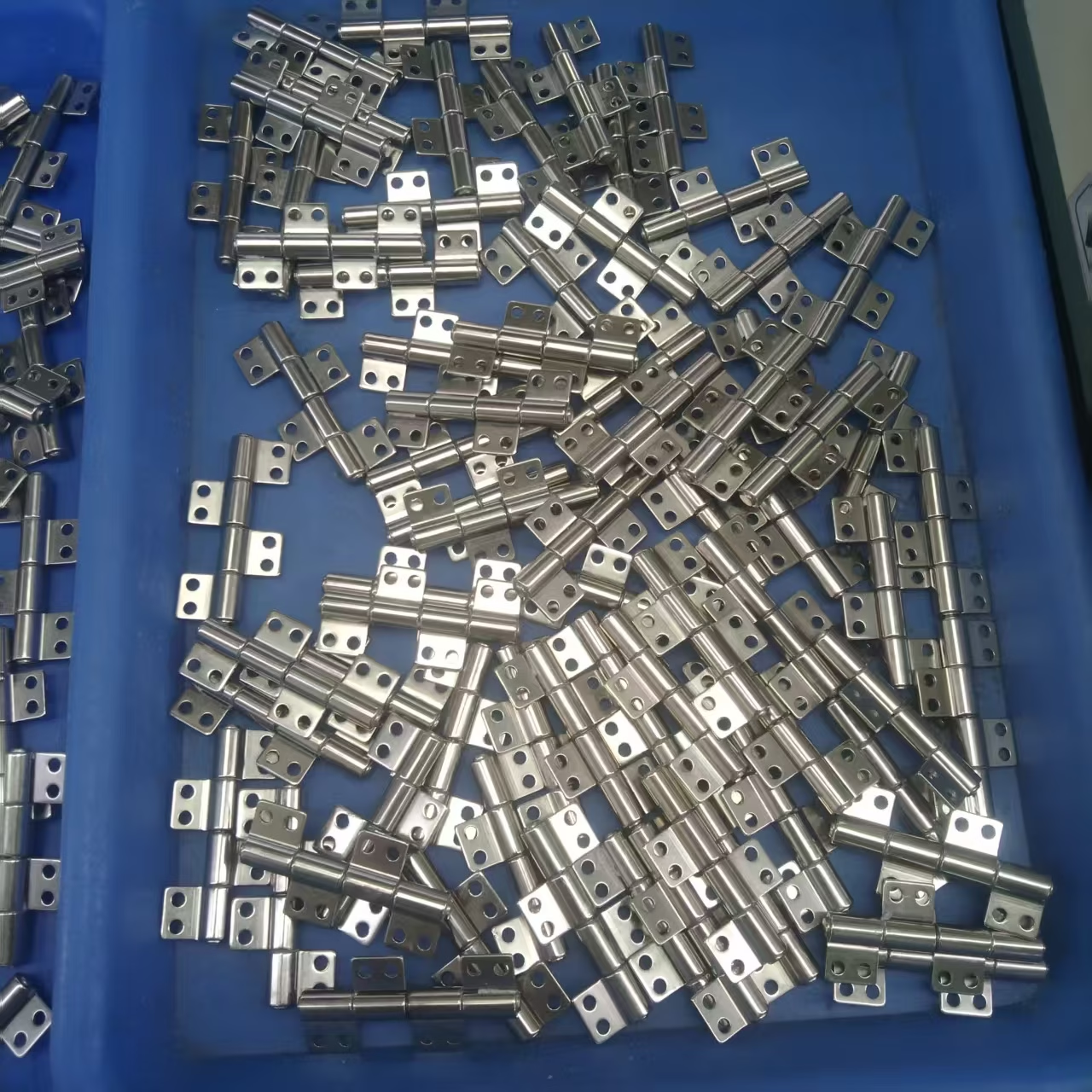
Industrial hinges are not decorative parts. Their preparation must respect load paths and stress zones.
Over polishing weakens edges. Under grinding leaves stress risers. Balance matters more than shine.
I have found that consistent process control beats aggressive finishing. Stable pressure, controlled grit steps, and patient inspection create reliable results.
When the base surface is right, surface treatment becomes predictable instead of risky.
Conclusion
Industrial hinge appearance is decided long before coating. Grinding and polishing define reality. Surface treatment only reveals it.
If your project requires hinges that cannot be standardized, IHINGES is built for that exact need.
IHINGES is the world’s only manufacturer dedicated exclusively to custom industrial hinges, focusing on real industrial applications rather than off the shelf products.