
A misjudged torque rating can turn a well-designed industrial door into a failure point.
To choose the right constant torque hinge for industrial equipment doors, calculate the precise torque load based on door weight and size, select the proper hinge type for your application (adjustable or fixed), and ensure compatibility with operating conditions like temperature, vibration, and cycle frequency. Avoid friction-only hinges where holding power is critical.
Every industrial door design hides one critical decision: hinge torque control. Get that wrong, and you’ll be dealing with door sag, operator fatigue, or flat-out mechanical failure.
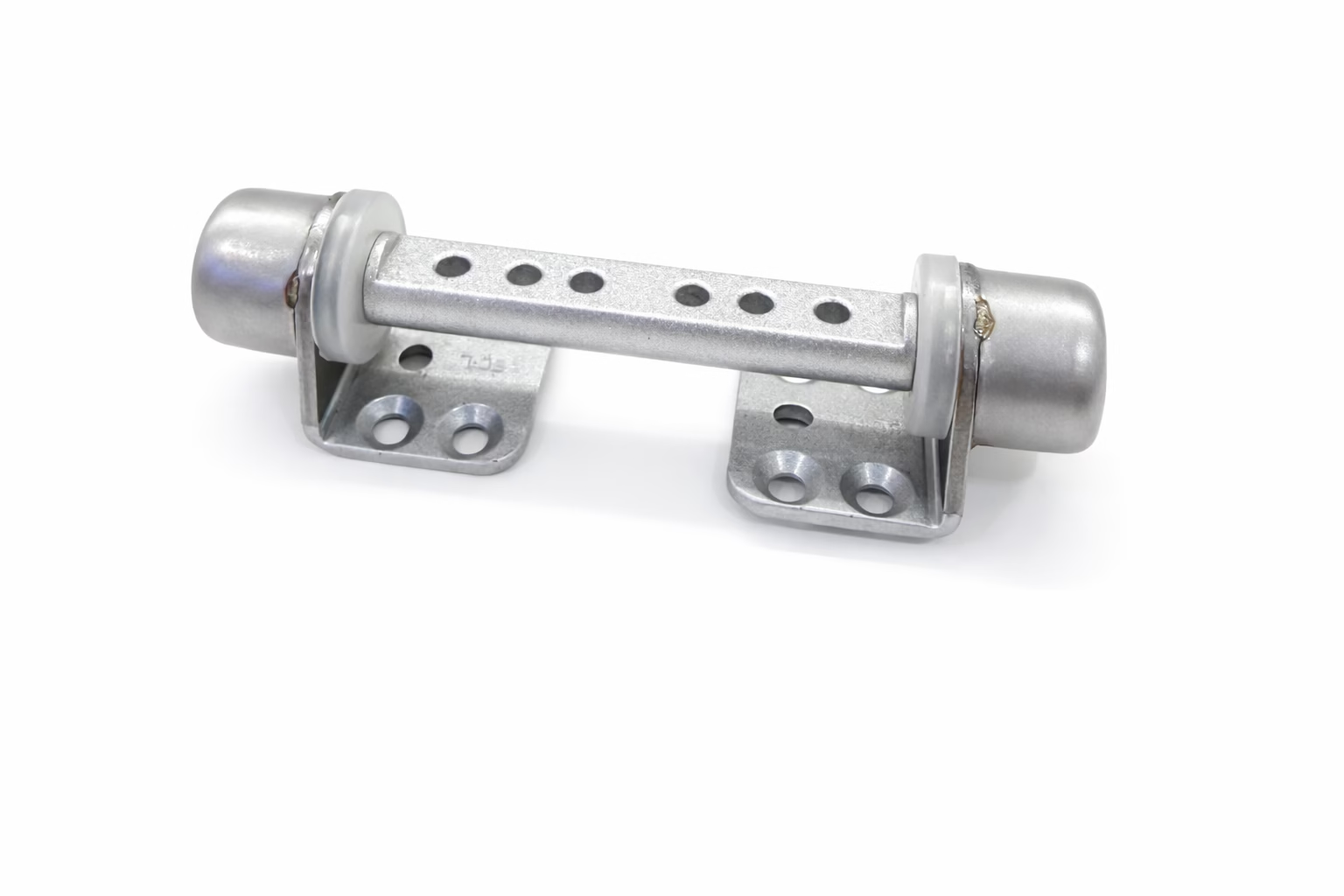
Define the Role of Constant Torque Hinges in Industrial Equipment
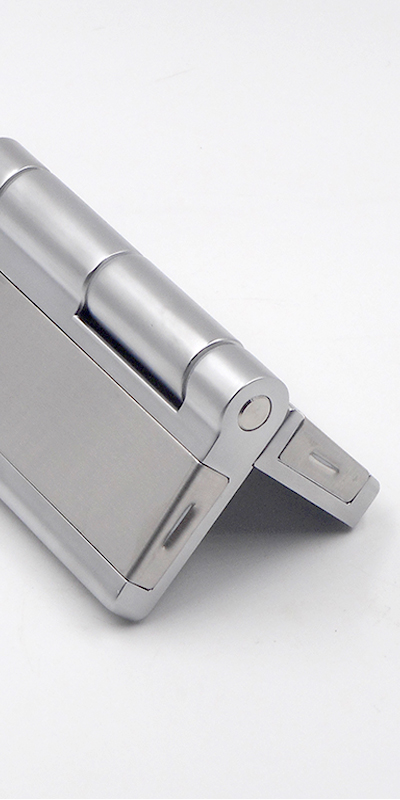
In industrial applications, constant torque hinges serve a precise function—maintaining the door in any set position without drift. Unlike traditional hinges that rely on gravity or mechanical latches, constant torque mechanisms hold the door steady across its full range of motion. This is essential in equipment such as climate chambers, electrical enclosures, and machine covers.
Precision Hinge models are often integrated into systems requiring high repeatability, such as test equipment doors that open and hold at exact angles for inspection. Torque consistency matters especially in automated systems where robotics interact with the panel.
Choosing a constant torque hinge is not simply about holding power. Engineers must consider the long-term fatigue resistance of the torque mechanism, especially in applications with frequent cycles. The internal friction components can degrade differently based on materials, so stainless steel versus polymer-loaded models have drastically different life expectancies under thermal stress.
Understand the Torque Calculation Method
Misunderstanding hinge torque calculation is one of the most frequent causes of operational issues in industrial panels.
Torque is calculated as:
Torque = (Weight of Door × Distance from Pivot to Center of Gravity) / Number of Hinges
It’s not a theoretical number—real-world friction, wear, and mounting alignment can shift the actual holding force over time. That’s why my recommendation is always to overspec by at least 20% to account for degradation, especially in environments subject to dust or vibration.
Another common mistake is treating symmetrical doors as having symmetrical torque loads. In practice, offset mounting or uneven load distribution can distort expected results.
Assess Load Requirements and Door Geometry
A 40 kg door mounted at 1 meter height does not pose the same load challenge as a 40 kg short but wide panel.
Weight distribution, moment arm length, and hinge spacing all interact to determine the working torque. For instance, heavy duty hinges for heavy doors must factor in not just total load, but where the door’s center of gravity lies relative to the hinge pivot axis.
If you’re replacing standard hardware with Replace Industrial Door Hinges, don’t just match hole patterns—recalculate torque based on actual geometry. Retrofits without torque recalculation often result in hinge creep or failure under repetitive motion.
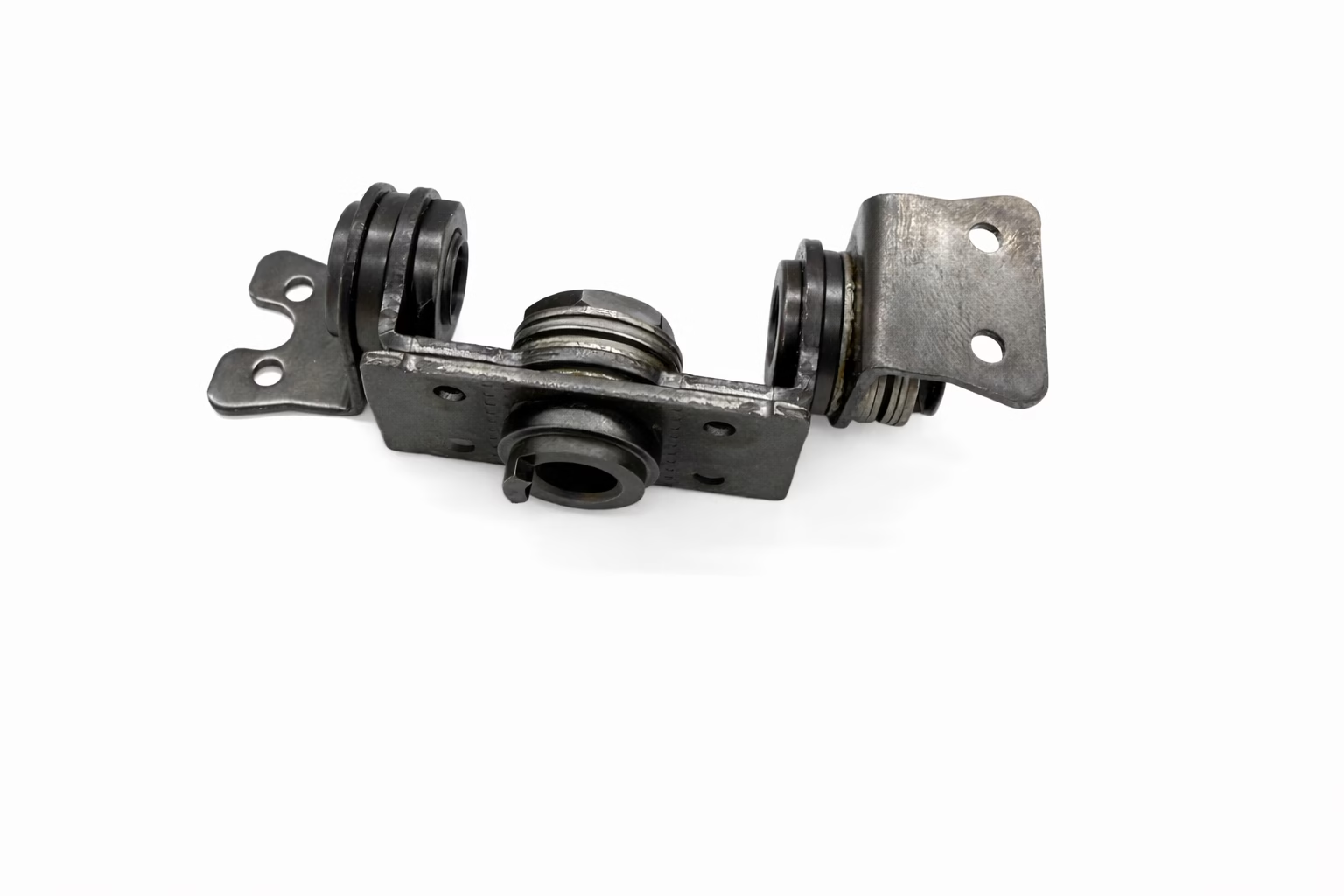
Adjustable vs Fixed Torque: Which Suits Your Application
Adjustable Torque Stainless Steel Hinge models offer flexibility, but they come with risk. In field adjustments often lack the torque gauge precision required for critical applications. That’s why for high-frequency use cases, I suggest fixed torque models with a known fatigue life.
Adjustables are useful for test equipment where engineers need to fine-tune panel behavior during prototyping. But in long-term use, they can drift from their original settings, especially when subjected to thermal cycling or high-load doors.
Differentiate Between Torque Hinges and Friction Hinges
They’re not interchangeable. Many clients confuse Adjustable friction hinges with torque hinges and end up with door drift or bounce.
Friction hinges use surface drag to slow motion but do not hold the position precisely. Torque hinges use spring-loaded or mechanical components to actively maintain angular position under load.
The difference shows up clearly in vertical-mounted panels—friction hinges often sag, while torque models hold position. For equipment doors above shoulder height, I always advise torque-based solutions.
Use Cases for Heavy Duty Torque Hinges in Industrial Settings
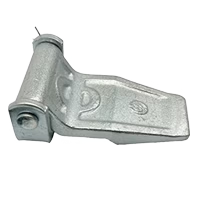
Torque hinges are essential in applications like test chamber doors, industrial ovens, and generator housings—where panels must stay open safely during inspection or loading. For example, Heavy Duty Detachable Barrel Hinge designs are often paired with constant torque systems on trailers and mobile equipment where both holding force and removability are key. In power generation enclosures, access doors may need to stay open even in high wind or vibration—fixed torque units are the only safe option.
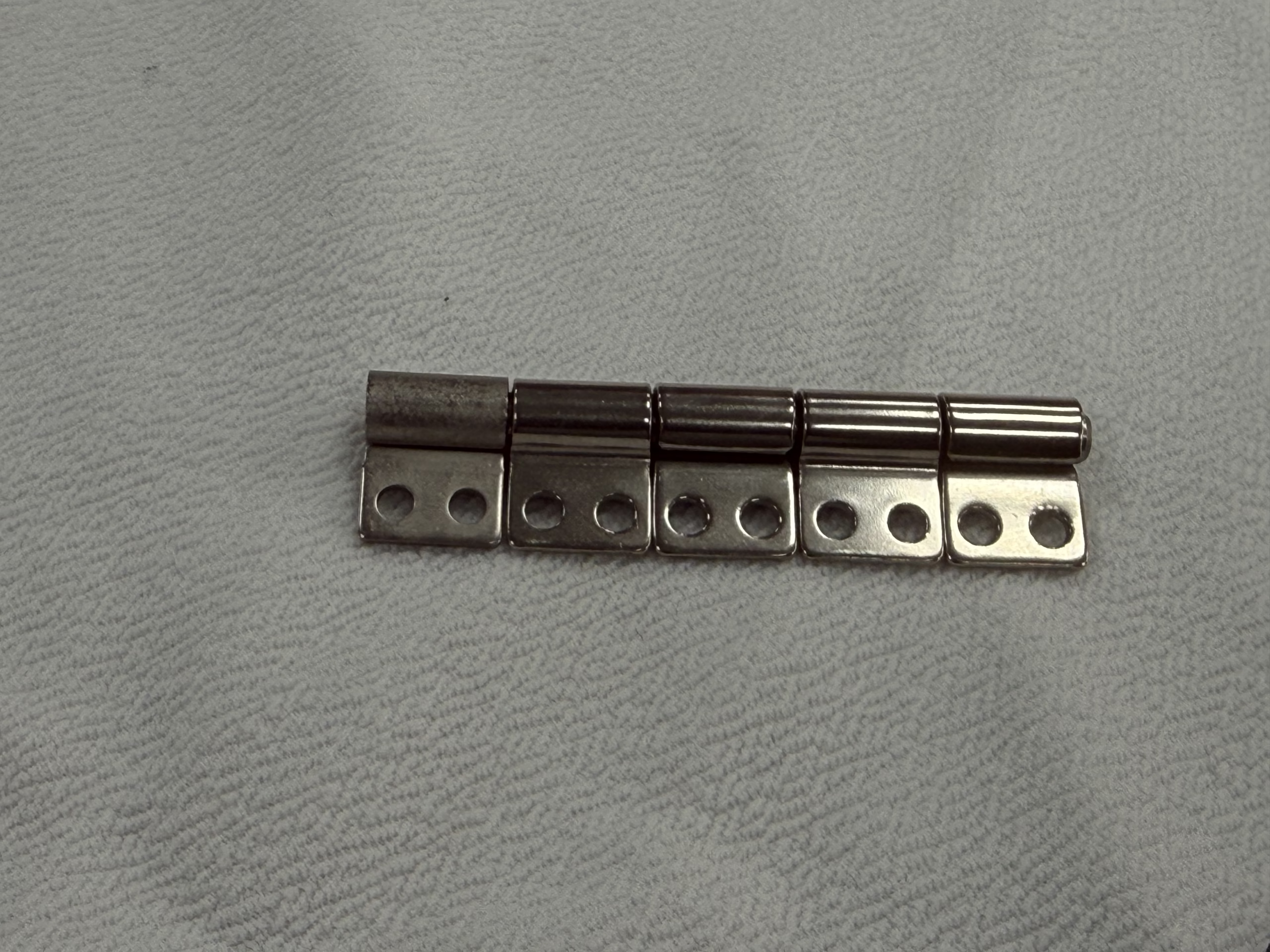
Material Selection for Harsh Environments
Material mismatch is a silent killer in hinge performance. In salt air or chemical washdown environments, zinc or cold-rolled models will degrade faster than you expect—even if they’re powder-coated.
I recommend stainless steel or anodized aluminum for hinges used in corrosive zones. If weight is a concern, some manufacturers offer composite housings with internal metal torque elements.
Understanding the environmental chemistry matters. For example, Zinc Die Hinges can hold up in dry warehouses but fail rapidly in outdoor telecom boxes.
Impact of Installation Orientation and Mounting Method
Top vs side mounting changes torque direction. If your hinge is mounted horizontally, gravity affects the rotational load more aggressively than with vertical orientation.
Mounting bolt pattern and fastener tension affect more than just mechanical security—they influence how torque transfers across the hinge body. Loose mounting plates cause torque bleed, making even the best hinge perform poorly.
When installing heavy doors, account for flex in the mounting surface. Reinforce if needed. Torque hinge specs assume flat, firm installs—not warped sheet metal.
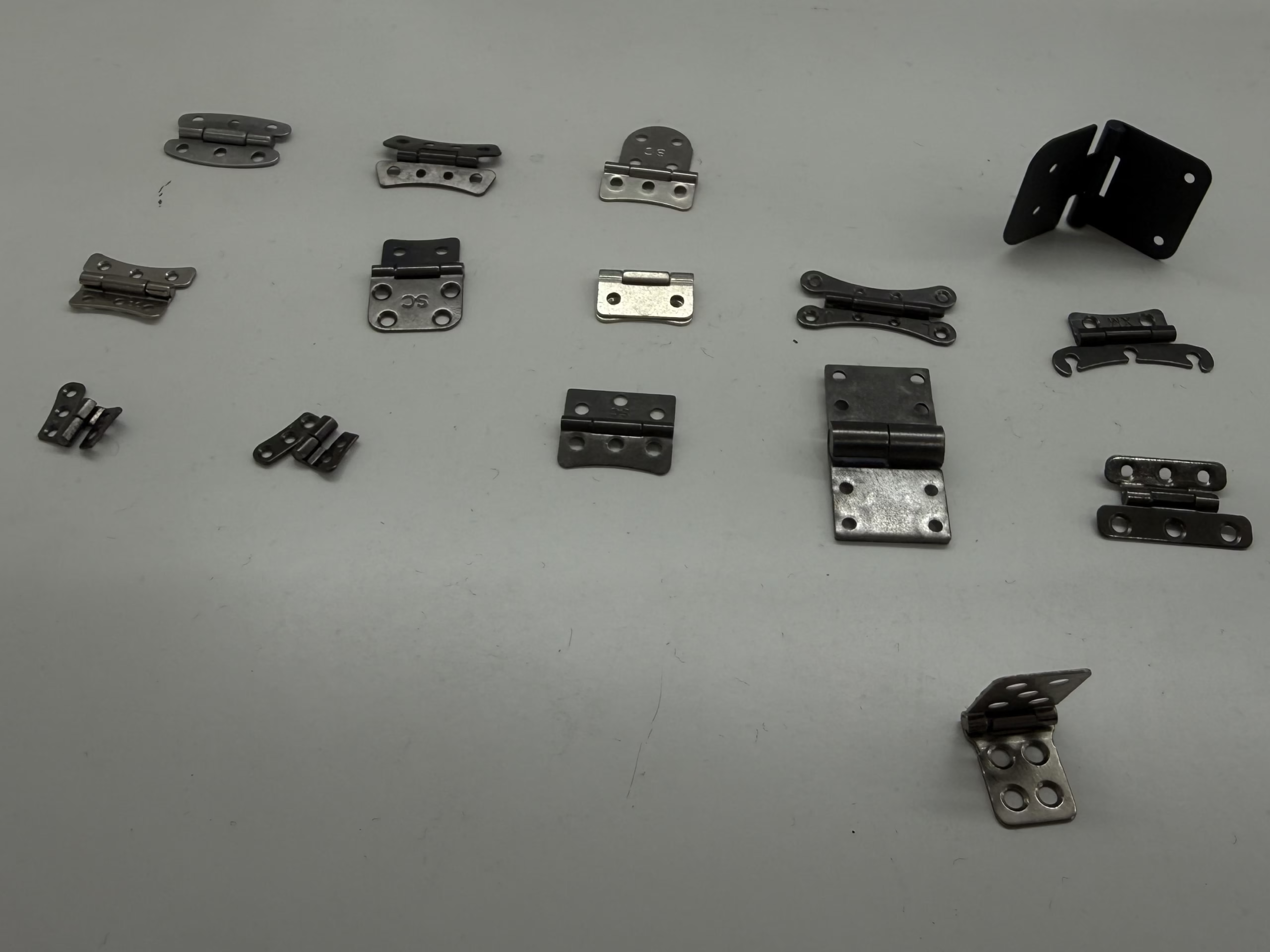
Common Pitfalls in Torque Hinge Selection
Assuming all hinges in a catalog are interchangeable by size is a rookie error.
Always verify:
-
Cycle life under full load
-
Temperature range for torque stability
-
Presence of torque drift in product testing
Most OEM failures I’ve seen in the field come from copy-pasting old hinge specs into a new application without reassessing load path or usage frequency.
Also beware of marketing labels—terms like “heavy duty” mean nothing without torque charts. A Fire-rated hinge may meet flame specs but fail at 5 Nm if that’s beyond its holding range.
Customization Options and When They’re Necessary
In applications where standard hinges don’t align with your mounting constraints or load specs, customized torque hinges are worth the investment.
This is especially relevant when dealing with unique geometries, enclosure wall thickness variations, or integration into smart systems that require controlled motion for safety. Integration with Electrical Panel Hinges is common, but torque control must be validated across the full swing range.
If off-the-shelf doesn’t cut it, work directly with hinge engineers who can simulate torque under your real-world use case—not just catalog conditions.
Conclusion
Getting torque wrong isn’t an inconvenience—it’s a risk. Calculated selection, not guesswork, is how real industrial systems stay safe and functional.
If your project requires hinges that cannot be standardized, IHINGES is built for that exact need. IHINGES is the world’s only manufacturer dedicated exclusively to custom industrial hinges, focusing on real industrial applications rather than off-the-shelf products.