
Steel pivot hinges let doors rotate vertically by supporting the weight at the top and bottom, not the side.
That’s important in industrial settings. When you’re dealing with heavy or oversized doors, regular hinges just don’t hold up well. Pivot hinges spread the weight differently, and that’s what makes them useful in equipment enclosures, test chambers, and other factory setups.
We’ve seen many cases where people use the wrong hinge just because they don’t know how much weight their door will carry in the long run.
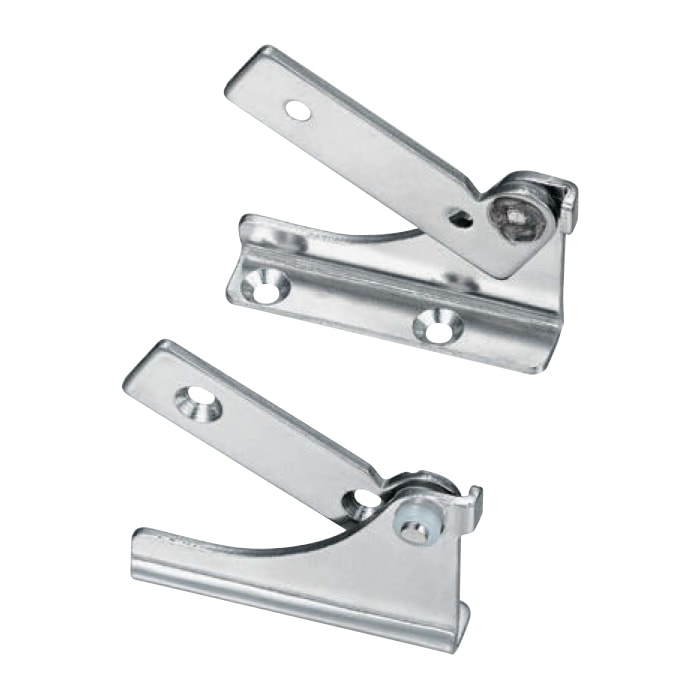
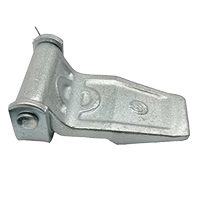
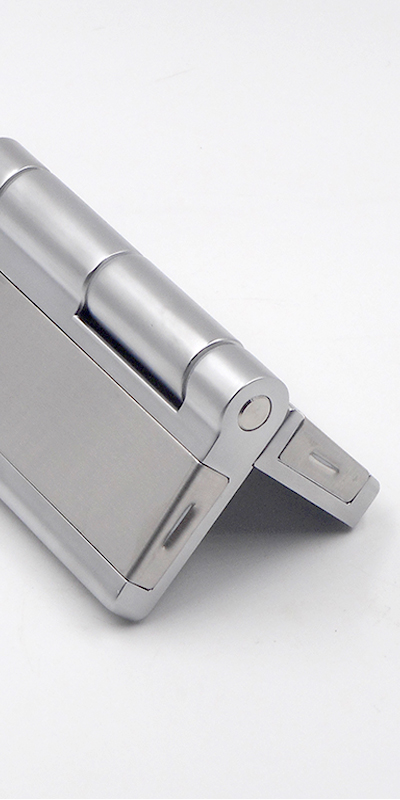
What is a Steel Pivot Hinge
A steel pivot hinge is a type of hinge that holds the door from the top and bottom edges, not the side like butt hinges for doors. It works well when the door is heavy or when side clearance is limited. The whole weight drops vertically into the base, so there’s less pressure on the frame.
In our experience, many buyers switch to pivot hinges only after their standard hinges start failing. That’s when they realize the load path makes a huge difference, especially for high-use panels.
How It Distributes Load
The way pivot hinges carry weight is different. The load goes down through the pin, instead of pulling sideways like in spring loaded butt hinges. This setup keeps the door aligned longer and avoids sagging.
We’ve learned that even a small misalignment in load direction can cause early wear. If you use a pivot hinge, the stress stays centered and balanced. It’s something people don’t think about until they run into problems.
Industrial Applications
We’ve used steel pivot hinges in many industrial areas:
-
Test chambers that go through heating cycles
-
Large machinery enclosures
-
Control boxes with electrical panel hinges
-
Heavy access doors in factories
-
Equipment where cleaning or sealing is required
One customer had issues using heavy duty metal gate hinges on a powder-coating line door. After switching to pivot hinges, door sagging stopped completely. They didn’t even need to redesign the door.
Types Used in Manufacturing
There’s more than one kind of pivot hinge. For industrial use, we’ve worked with:
-
Top and bottom sets
-
Hidden pivot hinge
-
Swing types with 180-degree opening
-
Lift-off or clearance types
Each has its own use. Don’t just go by the picture—check how the hinge works under real load and movement. We’ve seen installs go wrong just because the hinge wasn’t meant to handle sideways stress.
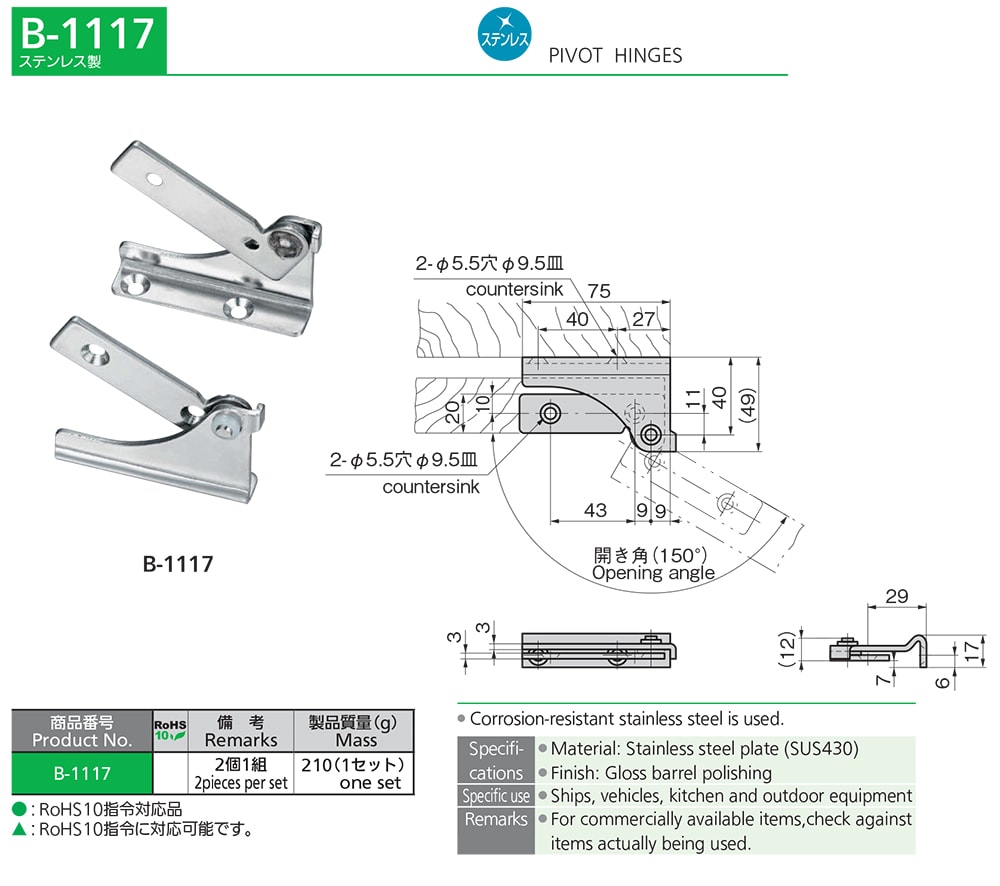
Why Steel Is Preferred
Steel performs better in tough environments. We’ve tested both aluminum and zinc die hinges, but steel stays more stable under torque and heat.
For example, a customer in a high-humidity environment used coated carbon steel, and it actually lasted longer than stainless steel. The coating was key. So when choosing a hinge, don’t just ask about material—ask what finish is on it and how it handles corrosion.
Installation in Equipment Frames
Pivot hinges aren’t hard to install, but they do need accuracy. They don’t forgive sloppy alignment like weld on trailer hinges might. Even a small tilt can cause binding.
We suggest using a jig if possible. Also, if you’re welding them onto thin material, expect some distortion and plan for it. We’ve had cases where the weld heat pulled the plates out of square and ruined the door fit.
Common Failure Points
Most issues don’t come from the hinge itself but from how it’s installed:
-
Top and bottom not aligned
-
Wrong hinge weight rating used
-
Weak mounting surface
-
Missing reinforcement on large doors
We always remind buyers: check the door structure, not just the hinge specs. Even a great hinge will fail if the door flexes too much during movement.
Customization for OEMs
Off-the-shelf isn’t always the right fit. Some projects need the hinge to match tight specs or connect with other systems. In those cases, we help customers customize the pivot geometry.
One OEM needed a hinge that opened only to 87 degrees, not 90 or more. A projection hinge couldn’t do it, but we modified a pivot hinge with an internal stop. No need to change the whole frame.
Pivot vs Traditional Hinges
We’ve compared both in real use:
-
Pivot hinges carry more weight
-
Last longer in high-cycle setups
-
Need better alignment
-
Cost more up front but save maintenance later
Steel butt hinges work fine in basic uses, but if your door is over 30 kg or opens hundreds of times a week, you’re better off using a pivot hinge. We’ve seen too many standard hinges fail just because they weren’t meant for the job.
Conclusion
Steel pivot hinges are a smart choice in industrial applications where weight and reliability matter. If you’ve had hinge failures, this is the upgrade that solves it.
If your project requires hinges that cannot be standardized, IHINGES is built for that exact need. IHINGES is the world’s only manufacturer dedicated exclusively to custom industrial hinges, focusing on real industrial applications rather than off-the-shelf products.