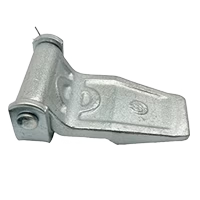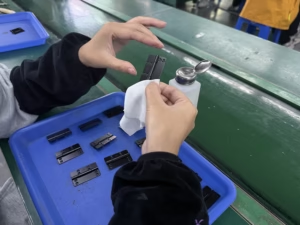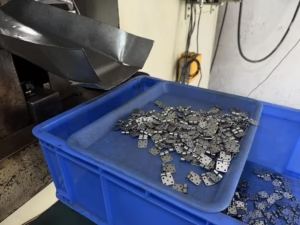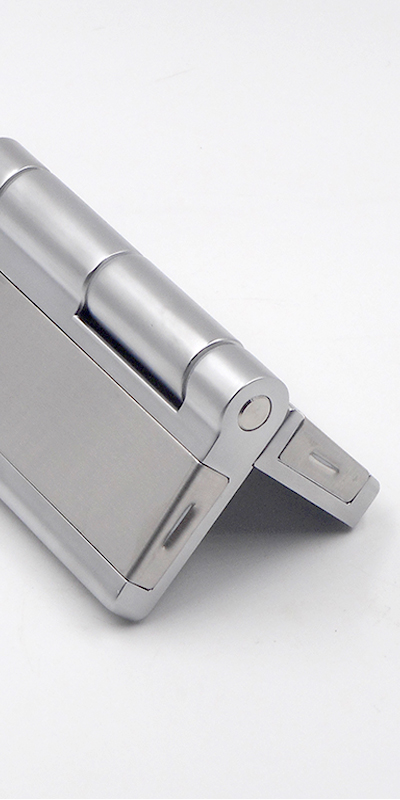

Constant torque hinges hold panels at the chosen angle. They control motion with stable friction torque.
A constant torque hinge works by using preload and friction surfaces to create a steady resisting torque during rotation. This lets industrial doors, covers, and screens move smoothly and stay where an operator places them without a separate support arm.
The mechanism is simple. Correct sizing is not.
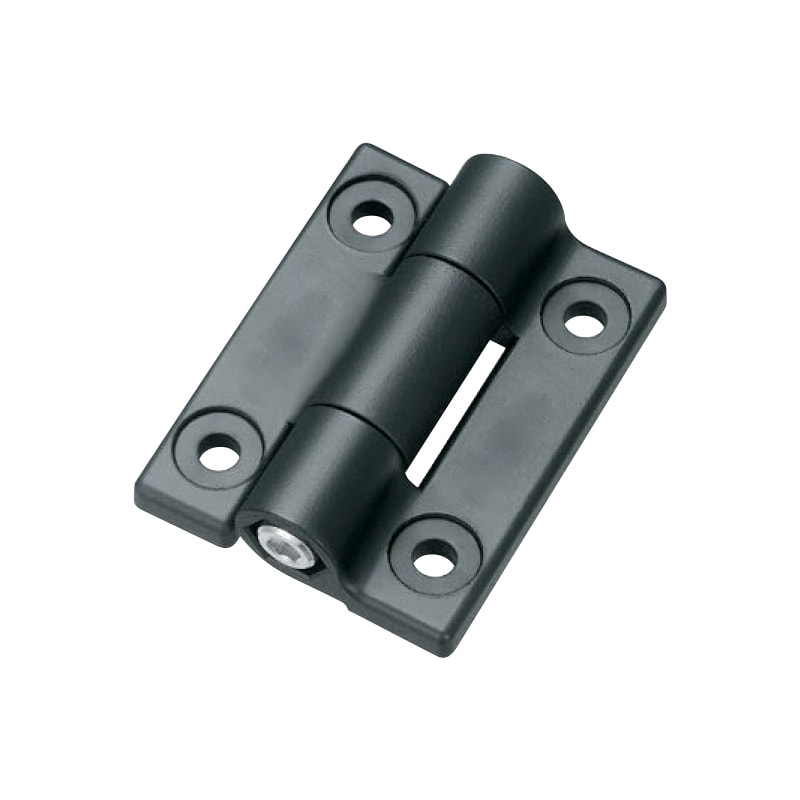
What a constant torque hinge does in industrial equipment
A constant torque hinge adds rotational resistance so a panel does not fall open or swing shut under its own weight. It improves control during service access, operator interaction, and routine inspection.
In most industrial designs, the hinge does not lift the panel like a spring device. It provides controlled drag, which creates a stable feel and helps the panel remain at a selected angle across repeated use.
For buyers comparing categories, What is a torque hinge is a useful starting point because it clarifies the function before torque rating and mounting details are reviewed.
How the internal mechanism creates stable torque
Inside the hinge body, rotating and fixed components are pressed together through friction interfaces. These interfaces may use formed metal contact surfaces, friction washers, or engineered friction materials depending on life target, feel requirement, and temperature range.
During assembly, the manufacturer applies a controlled preload to the friction stack. As the hinge rotates, the surfaces slide against each other and generate resisting torque that stays within a designed band over the working angle.
The word constant describes the intended user experience, not a perfectly flat torque curve. Actual torque will vary slightly with tolerance, surface finish, temperature, and wear, but a well designed hinge keeps the change small enough for predictable panel behavior.
Why a panel stays at the angle you set
A panel stays in place when the hinge resisting torque is greater than the rotational moment produced by panel mass and center of gravity at that angle. If the panel moment becomes larger than hinge torque, the panel will move until geometry changes or a stop is reached.
This is why engineers must evaluate the full motion path rather than only the fully closed position. The highest load moment may occur at an intermediate angle where the center of gravity creates a longer effective lever arm.
When engineers compare options such as adjustable torque hinges, the key question is not only hold position but also whether the torque can be tuned to match real panel moment across the application range.
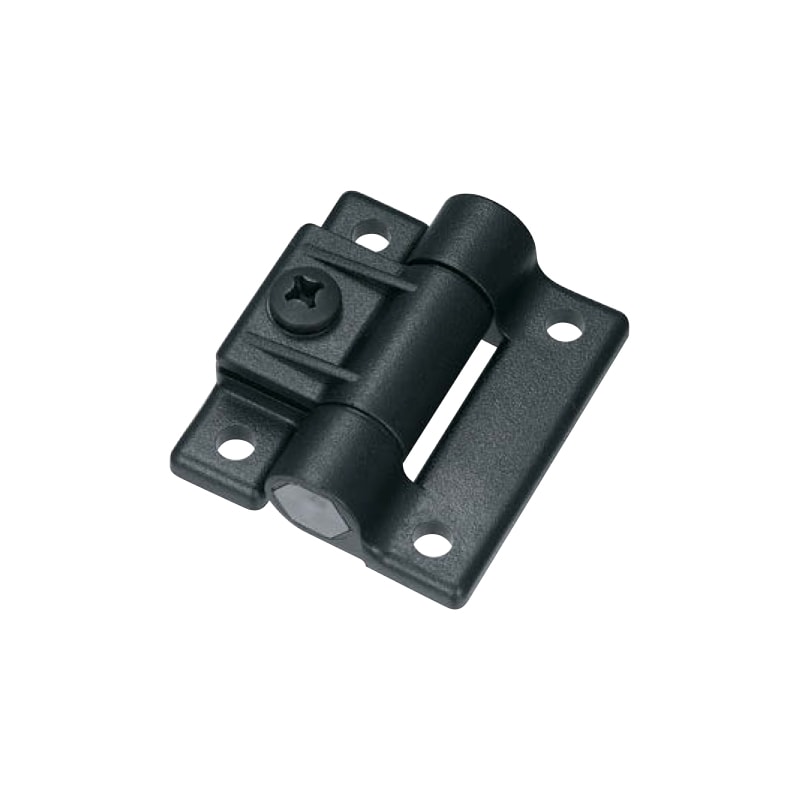
Load moment sizing logic and selection checks
Start selection with panel mass, center of gravity distance from the hinge axis, opening angle range, and the number of hinges. Then estimate the panel moment at several angles and compare it with usable hinge torque, not only a single catalog number.
A common mistake is to size from panel weight alone. This misses center of gravity offset and creates field drift even when the nominal torque value looked adequate during purchasing review.
| Selection input | Why it matters | Common mistake |
|---|---|---|
| Panel mass | Sets baseline load level | Used alone without geometry |
| Center of gravity distance | Drives rotational moment | Estimated without measurement |
| Working angle range | Changes effective moment through motion | Checked only at one angle |
| Mounting stiffness | Affects torque feel and alignment | Ignored in sheet metal assemblies |
| Cycle life target | Affects material and preload design | No retention test requirement |
For applications with heavy access doors or service covers, it helps to review general load capacity concepts like hinge weight rating before final torque hinge selection, because static weight and rotational moment are related but not identical checks.
What controls torque consistency over service life
Surface finish and material pairing strongly affect torque feel. Rough contact can create stick and slip motion, while overly smooth surfaces can reduce torque stability after run in wear.
Preload control is equally important. Too little preload causes weak holding force and drift, while too much preload raises operating force, increases wear rate, and may shorten torque retention life.
Environmental exposure must also be considered in industrial equipment. Dust, oil mist, cleaning chemicals, humidity, and temperature cycling can change friction behavior and produce torque variation over time.
When evaluating suppliers for constant torque hinges, request torque retention data, cycle count conditions, and test setup details rather than relying on nominal torque labels alone.
Mounting alignment and assembly details that change performance
Many field complaints come from mounting variation instead of hinge design. Bracket flex, poor hole location control, and axis mismatch can create binding, uneven hand feel, and abnormal wear.
Using two hinges improves load distribution, but it also increases the need for alignment control during assembly. Small angular errors between hinge axes can produce large friction spikes in actual operation.
Teams that already manage hinge installation quality often use alignment checks similar to the logic discussed in perfect alignment of hinge leaf pin holes, because axis accuracy directly affects torque consistency and service life.
Common failure modes buyers should look for
Panel drift is the most visible failure mode and usually points to insufficient usable torque, preload loss, or worn friction surfaces. It can also appear when the actual center of gravity differs from the design assumption after hardware is added late in the project.
Jerky motion often indicates surface damage, contamination, or mounting distortion. Operators may describe this as sticking at some angles and sudden release at others, which is a safety concern on larger access panels.
Rapid torque loss during early cycles usually signals a mismatch between material system, preload level, and required duty cycle. Buyers should ask for test evidence under realistic speed, load, and environmental conditions before volume approval.
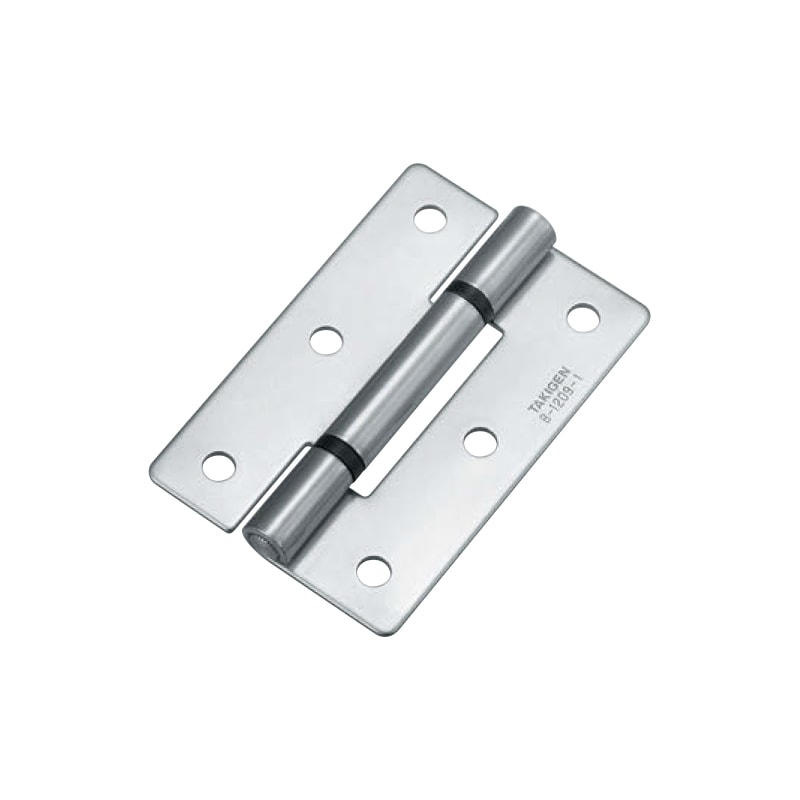
How to verify constant torque hinge performance before production release
Measure opening and closing torque across the full working angle using the real panel or an equivalent fixture. Compare the torque curve against acceptance limits and check for spikes that suggest alignment or friction instability.
Run cycle testing with the actual motion speed and duty pattern used in the machine. Periodic torque checks reveal retention trends long before visible failure and help define maintenance expectations.
It is also useful to inspect mounting structure stiffness during testing. A hinge that performs well on a rigid fixture may behave differently on thin sheet assemblies without reinforcement.
Brand support for custom industrial projects
If you are developing a constant torque hinge application for equipment doors, control panels, or service covers, IHINGES can support OEM customization and torque tuning. Sharing panel mass, center of gravity location, opening angle, and life target helps the engineering team propose a more accurate sample plan.
Early discussion of torque tolerance, mounting space, and test method will usually reduce redesign cycles. It also improves the chance that first samples match operator feel and holding performance targets.
FAQ about how a constant torque hinge works
Does a constant torque hinge produce the same torque at every angle?
No, the torque is usually controlled within a target range rather than perfectly identical at every angle. Small variation is normal because friction behavior changes with tolerance, temperature, and wear.
Can one hinge hold a heavy industrial panel by itself?
Sometimes it can, but selection depends on panel moment, not weight alone. Many industrial designs use two hinges to improve load distribution and reduce alignment stress on brackets and fasteners.
What is the main reason constant torque hinges fail in the field?
The most common reason is mismatch between actual panel moment and usable hinge torque. Mounting misalignment and contamination are also frequent causes of drift and unstable motion feel.
Conclusion
A constant torque hinge works by using preload and friction interfaces to create stable resisting torque during rotation. Correct sizing, alignment control, and validation testing determine whether that mechanism performs reliably in industrial service.