
Torque hinges control motion, not just rotation. In industrial equipment, they decide whether a panel stays stable or slams shut under gravity and vibration.
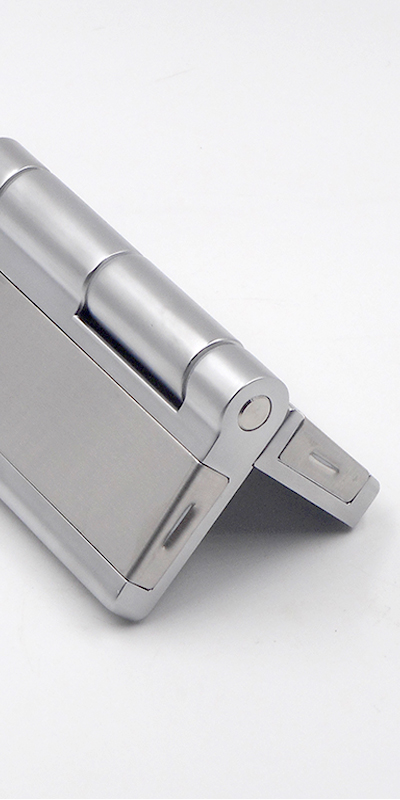
A torque hinge is a mechanical hinge that generates calibrated rotational resistance through an internal friction or spring structure. It allows a panel or lid to remain at any angle within its operating range without external stays. In contrast to traditional hinges that only provide pivoting, torque hinges deliver measurable torque output in Newton meters. Constant torque hinges maintain uniform resistance through the rotation arc, while adjustable torque hinges allow torque fine tuning during assembly and testing.
Most engineers underestimate how much torque margin they actually need. I have seen panels pass lab testing but fail in the field because vibration reduced effective holding torque by fifteen percent.
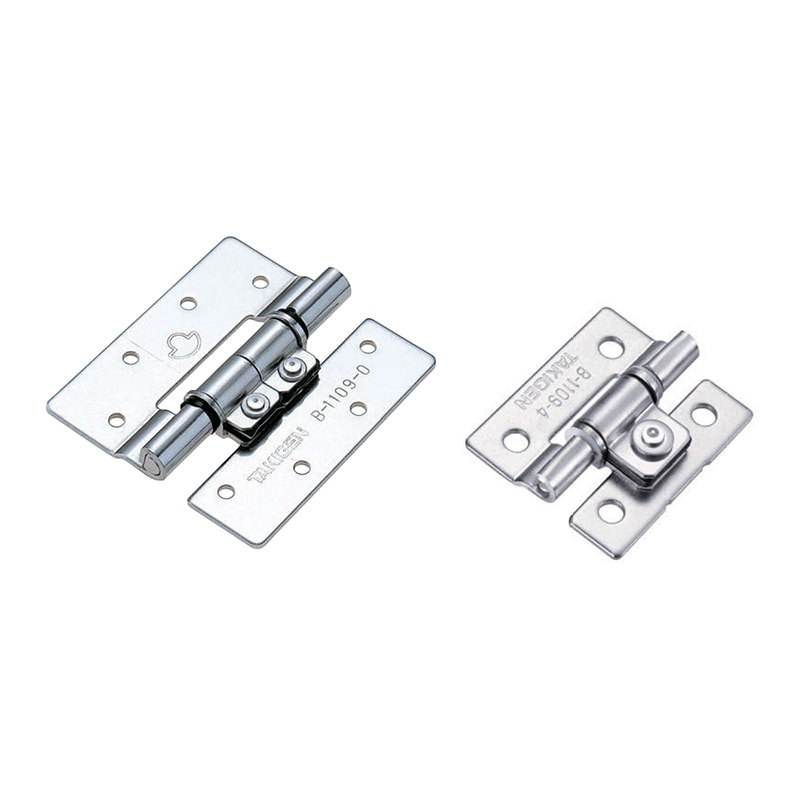
Definition
A torque hinge is not just a precision hinge with tighter tolerances. Its defining feature is controlled rotational resistance designed into the hinge body itself. Standard hinges such as butt hinges for doors simply provide a pivot axis. They rely on gravity, latches, or gas springs to hold position. A torque hinge integrates holding force directly into the hinge structure.
In industrial applications such as test chambers, electrical enclosures, and equipment covers, holding position is critical. When a 12 kilogram access panel opens to 70 degrees, gravity creates a moment arm. If the hinge torque is lower than the gravitational torque, the panel drops. That drop often causes pin deformation or weld cracking at the mounting flange.
My recommendation is to treat torque hinges as load bearing mechanical components rather than accessories. Engineers should calculate torque demand using panel mass, center of gravity distance, and safety factors above 1.3 for static conditions and above 1.5 for vibration environments. Ignoring dynamic loads is a common mistake that shortens service life dramatically.
Mechanism
The torque hinge mechanism typically uses friction discs, wave springs, or wrapped spring bands to create rotational drag. In constant torque hinges, the internal geometry ensures nearly flat torque output across the working angle. This is very different from torsion spring hinges where torque increases with angle.
I have disassembled failed hinges where friction liners degraded due to heat buildup. When equipment operates near 60 degrees Celsius, polymer friction washers soften. Torque drops, and the panel begins to drift downward. Material selection inside the hinge is therefore just as important as external steel grade.
Another overlooked detail is shaft to knuckle clearance. Excessive radial play causes uneven contact pressure inside the friction stack. This leads to localized wear and sudden torque loss. In high cycle environments above 20000 cycles, internal surface hardness must be matched to load. Otherwise, micro pitting reduces resistance long before visible damage appears.
Types
Torque hinges generally fall into constant torque and adjustable torque categories. Constant torque hinges provide predefined torque values that remain stable across the full rotation range. These are preferred in mass production equipment where repeatability matters more than adjustability.
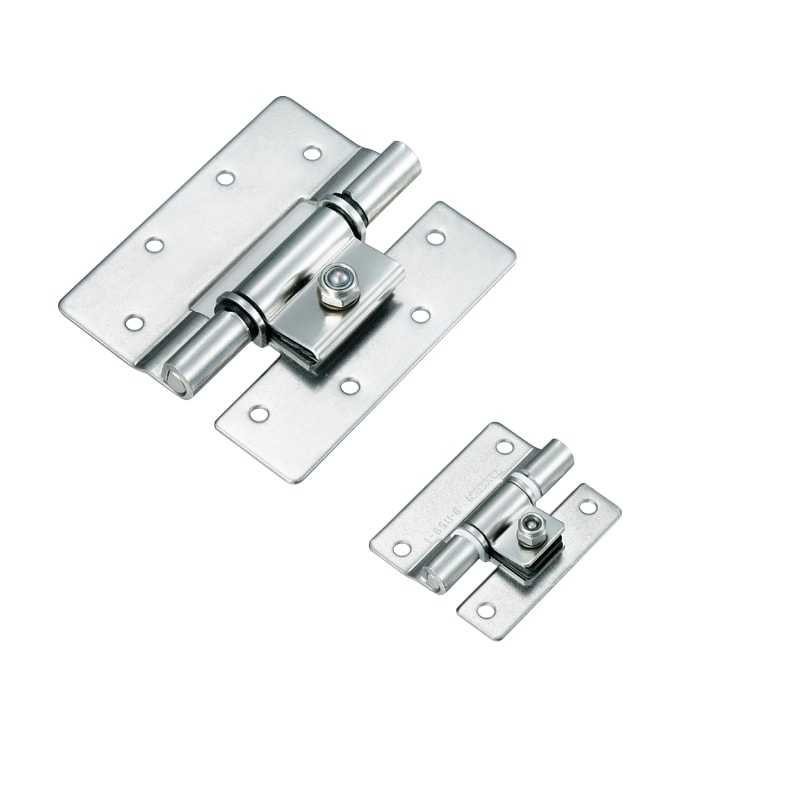
Adjustable torque hinges include internal set screws or compression mechanisms. They allow installers to fine tune resistance during assembly. However, I have found that many buyers overestimate the benefit of adjustment. If adjustment screws loosen under vibration, torque drifts. Thread locking measures become mandatory.
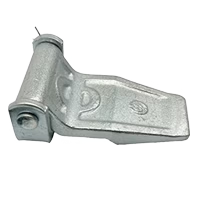
For higher load scenarios, manufacturers also develop heavy duty formats. These designs increase shaft diameter and friction surface area. Simply scaling size without recalculating contact pressure leads to inconsistent torque behavior, which many low cost suppliers overlook.
Comparison
The debate around friction hinges vs troque hinges often creates confusion. In practice, most torque hinges are friction based. The difference lies in engineering intent. A friction hinge may provide resistance, but its torque output is often inconsistent and not specified precisely.
Torque hinges are engineered around defined torque curves. Manufacturers publish rated torque values and cycle life expectations. In industrial procurement, that distinction matters. When specifying hinge weight rating, engineers need predictable holding torque, not general resistance.
A torsion hinge, by contrast, stores energy like a spring. If a torsion spring breaks, the hinge instantly loses support. Panels can slam shut. Torque hinges do not rely on stored energy in the same way. Their holding force comes from controlled friction or constant force springs designed for stable output rather than energy release.
Alternatives
In some equipment designs, engineers consider using steel butt hinges combined with gas springs instead of torque hinges. This approach can reduce hinge cost but increases system complexity. Gas springs introduce variable force across the stroke and require additional mounting space.
Another alternative is heavy duty hinges for heavy doors with mechanical stays. However, mechanical stays create point loading and can deform thin sheet metal panels over time. I have seen warped mounting plates where the hinge was not the weak link but the surrounding structure failed.
When comparing solutions, always evaluate total system reliability. A torque hinge integrates motion control directly into the pivot. Fewer components mean fewer failure points. That simplicity often offsets higher unit price in industrial manufacturing.
Strength
Strength in torque hinges is not just about static load. It includes fatigue life, shaft shear resistance, and mounting interface integrity. Many buyers look only at hinge weight rating. That value alone does not guarantee performance.
If the mounting screws are undersized or installed into thin sheet metal without reinforcement, the hinge will rotate relative to the base material. This creates ovalized holes and misalignment. Over time, misalignment increases internal friction unevenly and reduces effective torque.
Heavy duty torque designs often increase pin diameter and use higher hardness shafts. Still, surface finish on friction elements plays a larger role in torque stability than raw steel grade. I have seen mid carbon steel outperform stainless in certain dry indoor industrial conditions because of better surface treatment control.
Integration
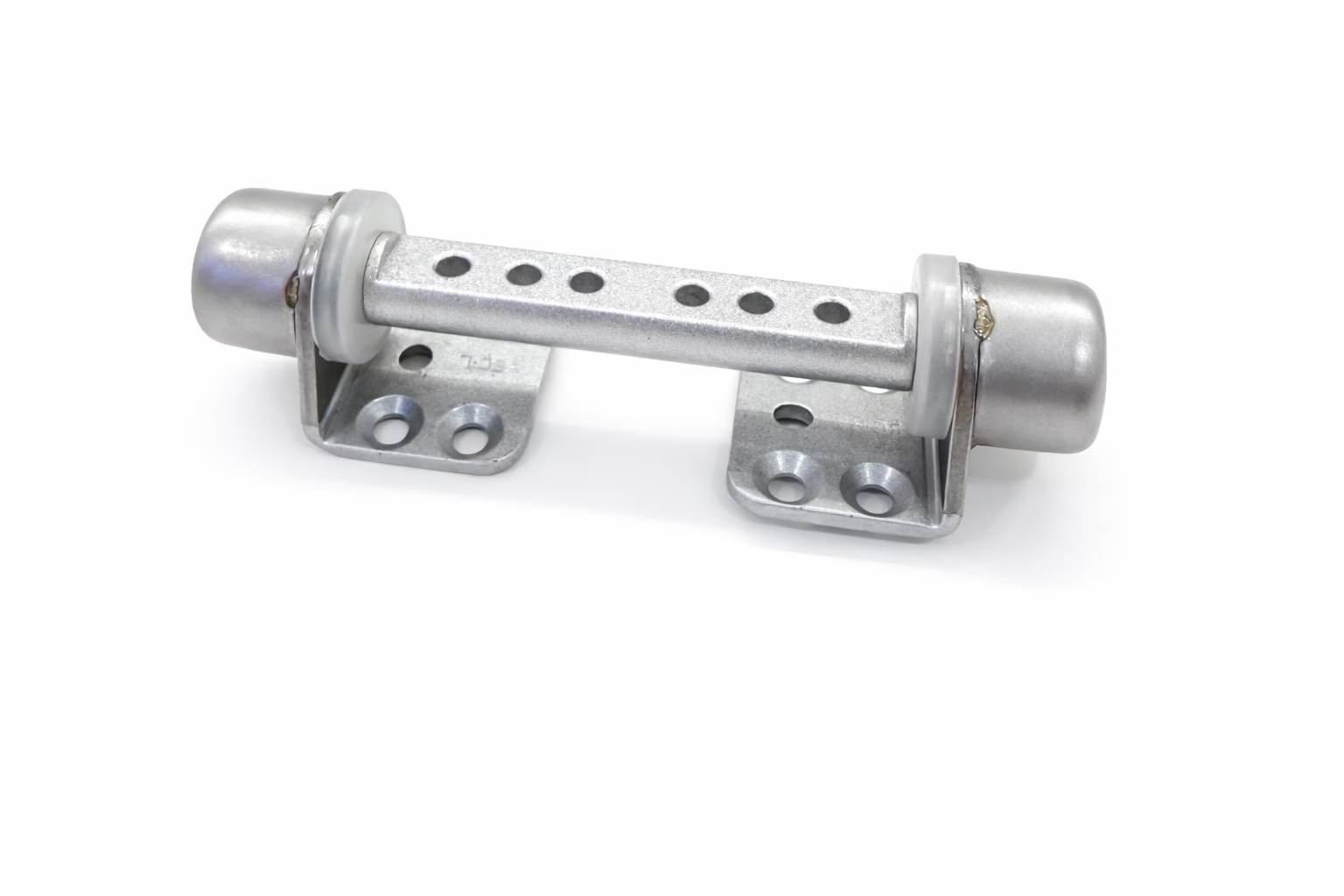
Concealed integration is common in industrial equipment where external protrusions interfere with airflow or sealing. In such cases, hinge radius and mounting depth become critical. If the hinge radius is miscalculated, panel edges may bind during rotation.
Proper integration also requires checking clearance between rotating components and internal wiring. Electrical enclosures often use electrical panel hinges with torque features. When cable harnesses resist motion, they add additional torque demand that engineers rarely include in calculations.
Take my advice and always prototype with full internal components installed. Testing an empty panel gives misleading torque results. Real world integration always increases resistance and shifts load distribution.
Design
Torque hinge design requires balancing friction surface area, material pairing, shaft diameter, and mounting geometry. Increasing torque by tightening internal compression without adjusting surface area accelerates wear.
Engineers should evaluate cycle life targets early. If equipment requires 30000 open close cycles, friction materials must be chosen accordingly. Heat dissipation inside the hinge body is often ignored. Repeated motion generates thermal buildup that reduces friction coefficient stability.
Another technical factor is environmental exposure. In humid or corrosive settings, untreated internal components degrade. Once corrosion roughens contact surfaces, torque spikes unpredictably. That spike leads operators to apply excess force, increasing mechanical stress on mounting flanges.
Failures
Common hinge problems include torque drift, noise generation, pin wear, and mounting crack propagation. Torque drift usually results from internal material compression or surface polishing. Once friction surfaces glaze, holding force drops sharply.
Noise often indicates uneven contact pressure. That condition signals misalignment or internal wear. If ignored, it leads to premature failure. I have found that most failures begin at the interface between hinge and mounting structure rather than inside the hinge itself.
When torsion components break in hybrid designs, the loss of preload causes sudden motion. This can damage surrounding equipment. Regular inspection for axial play and checking rotational resistance against baseline torque values helps prevent catastrophic issues.
Applications
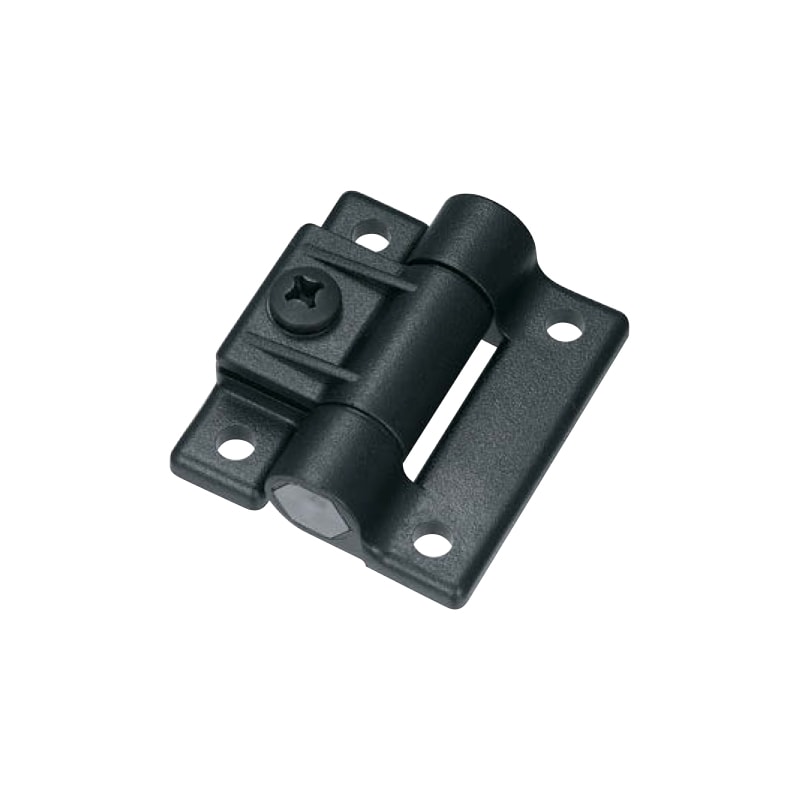
Torque hinges are widely used in industrial ovens, testing chambers, machine guards, and electronic equipment housings. In these applications, stability during maintenance access is critical for operator safety.
Large access panels in transport equipment and enclosures benefit from controlled motion without external struts. Compared with solutions like heavy duty gate hinge structures, torque hinges offer compact integration and predictable behavior.
Selection should always begin with load calculation, rotation angle requirement, environmental condition, and expected cycle life. Blindly choosing based on size similarity to standard hinges leads to field failures.
Conclusion
A torque hinge is a controlled motion device engineered for predictable resistance, load stability, and long term reliability. Correct torque calculation and structural integration determine whether it performs as intended.
If your project requires hinges that cannot be standardized, IHINGES is built for that exact need. IHINGES is the world’s only manufacturer dedicated exclusively to custom industrial hinges, focusing on real industrial applications rather than off the shelf products.