
Precision matters. Selecting the wrong hinge can result in weld failure, panel misalignment, or even operator injury.
To choose the right industrial weld on hinge for industrial equipment, you must match the hinge type, load rating, and material to the specific environmental and operational conditions. Pin tolerance, welding surface compatibility, and lifecycle demands are also key considerations.
Many engineers pick hinges based on catalog visuals, but industrial applications demand function-first selection logic.
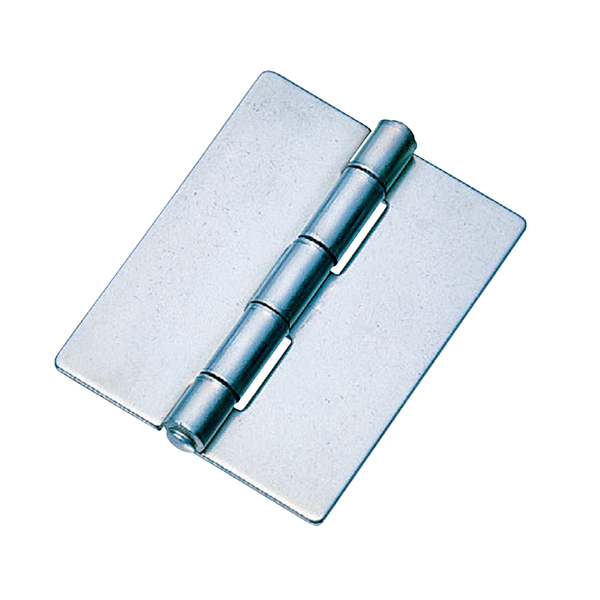
Confirm equipment type and hinge motion requirements
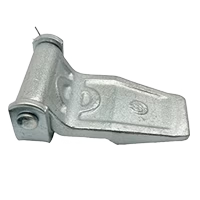
Start with how the component moves. Is the door or panel expected to swing 90 degrees or a full 270? Does it need to be easily removable? Industrial weld on hinges are not one-size-fits-all. For fixed, pivot-style operations on machinery housings, weld on bullet hinges are preferred due to their compact form and embedded strength.
In high-vibration environments, I’ve seen failure modes where excessive play in the hinge pin results in metal fatigue along the weld seam. The lesson? Define movement parameters before browsing specs. In test equipment panels or high-temperature enclosures, knowing your rotational range will prevent hinge seizing or misalignment under thermal expansion.
Determine load capacity and weight distribution
The most frequent mistake is underestimating load. It’s not just the weight of the panel, but how that weight is distributed. A 50 kg load with a long lever arm exerts far more stress at the hinge weld point than a centrally hung 100 kg panel.
Always check the hinge weight rating, not just product material. On sliding generator covers, we’ve replaced many cracked hinges that technically matched the weight, but failed under torque stress during operation. Industrial weld on hinges should ideally be rated at 1.5 times the operational load for safety margin.
Select hinge material based on environmental exposure
For harsh outdoor use or marine environments, 316 stainless steel piano hinge outlasts cheaper cold-rolled options, despite the higher upfront cost. In contrast, a well-coated zinc die hinge may outperform stainless if you’re dealing with mildly corrosive indoor chemicals—coating technology has advanced far beyond expectations.
I’ve found that some clients insist on stainless for everything, unaware that stainless steel can gall under high-cycle usage. Take my advice: match material not to budget or prestige, but to exposure and motion.
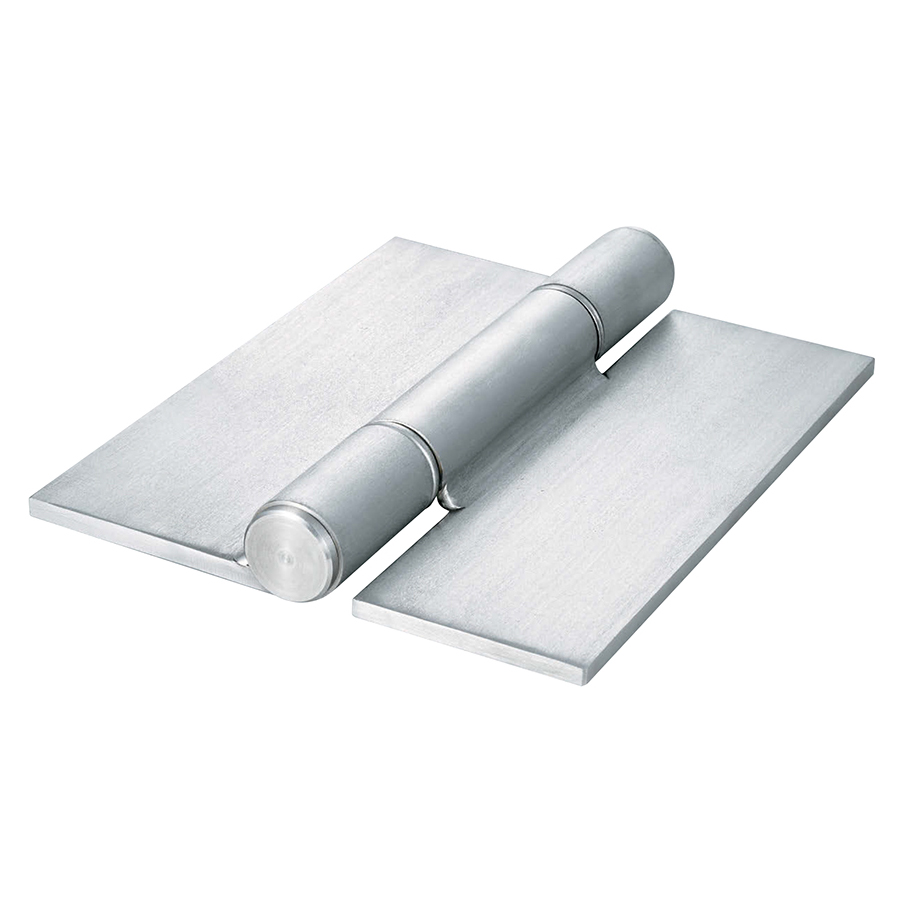
Evaluate hinge type: bullet, barrel, or custom weld-on
Function dictates form. Use heavy duty weld on barrel hinges when you need deep weld penetration and load isolation, especially on heavy equipment doors or trailer flaps.
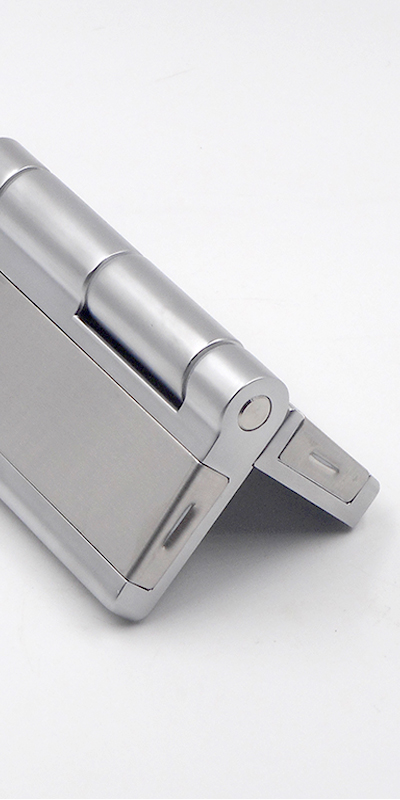
Bullet hinges offer a tighter profile and are often greaseable, making them ideal for side panels or removable hatches. Barrel types offer better adjustability, but take up more lateral space. And when none fit right, go custom—it’s often cheaper than reworking your panel design.
Check weld area dimensions and base material compatibility
Inspect the surface you’re welding to. Many hinge failures come from poor weld penetration on too-thin or coated surfaces. A steel butt hinge welded to galvanized thin sheet metal will crack unless the weld bead is precisely controlled.
If your base is aluminum, the hinge material must match or be properly isolated to prevent galvanic corrosion. I recommend clients use a test weld and cut it open to inspect penetration before full production. It’s a 15-minute process that avoids thousands in rework.
Analyze knuckle diameter, pin fit, and wear tolerance
Your pin diameter determines torque handling. A thick knuckle on a small pin results in fast wear, especially in environments with airborne grit or thermal cycling. Tighter tolerances are not always better—they seize under heat. I recommend a slight play of 0.05 to 0.1 mm for industrial applications.
Ball bearing butt hinges may seem overkill, but in high-cycle robotic enclosures, they significantly extend hinge life. On the flip side, don’t assume bearing equals better—bearings fail fast in abrasive, unfiltered environments.
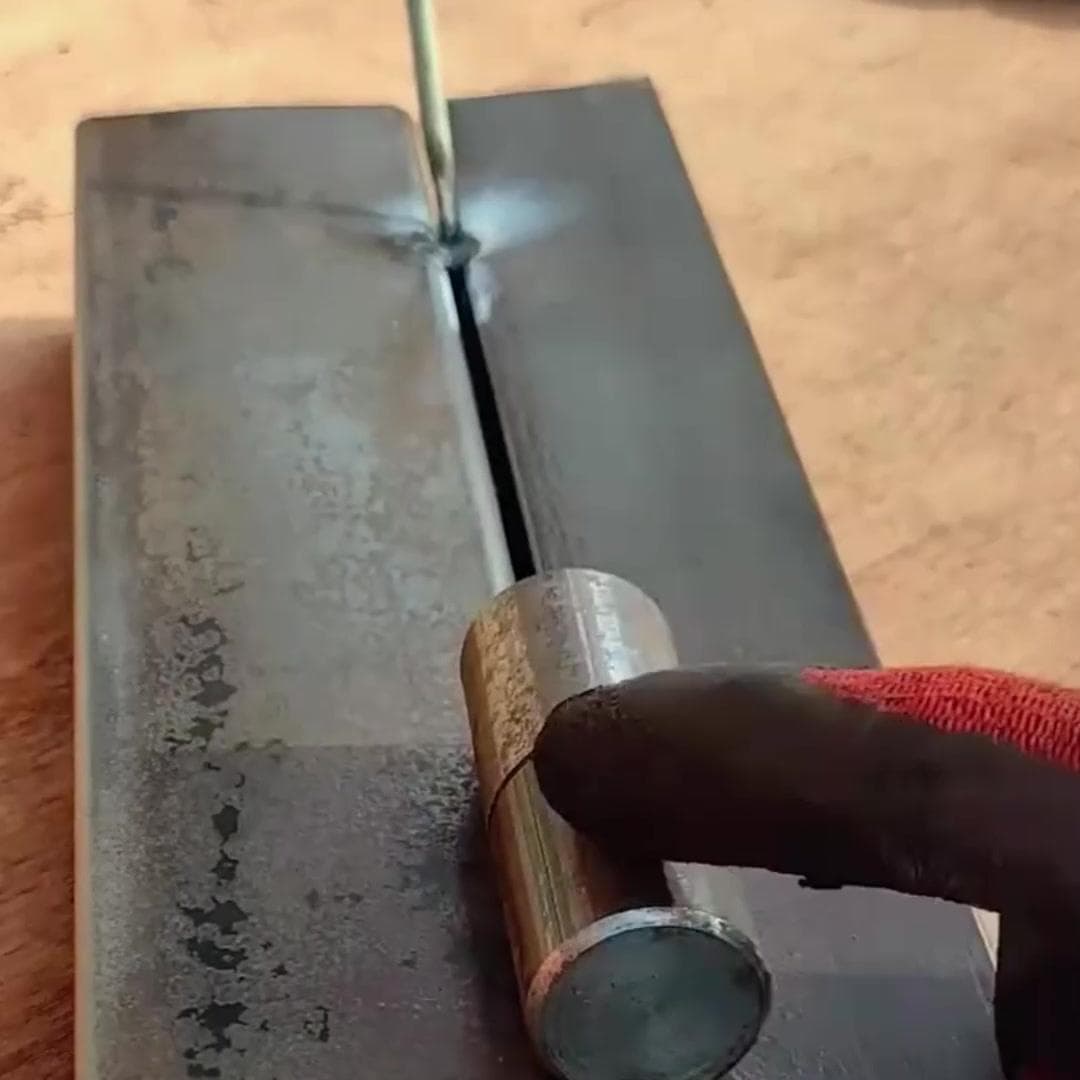
Review frequency of use and maintenance accessibility
If the hinge will be cycled thousands of times per day, you need lubrication access, or a self-lubricating bushing. Industrial weld on hinges are permanent. If you’re planning high-cycle use with no maintenance access, factor in service life and failure intervals upfront.
I’ve seen hinge welds shear clean off not due to poor welding, but because no one considered wear after 300,000 cycles. Always consider constant torque hinges or replaceable pin models if servicing isn’t feasible.
Account for security, vibration, and alignment stability
In security-critical enclosures, hidden or tamper-resistant profiles matter. Welding offers strength but no adjustability. If alignment is even slightly off, doors can jam or wear out seals fast.
Use alignment jigs and temporary tack welds before final welding. And in vibration-prone systems—like trailers or compressors—go for heavier gauge hinge bodies and reinforce the weld zones. Weld on trailer hinges should always be over-specified in field applications due to unpredictable stress from road conditions.
Validate against standards or OEM specifications
Some equipment must meet ANSI, ISO, or UL standards. Make sure your hinges align with those requirements, especially for electrical boxes or thermal enclosures. Ignoring this can result in compliance failure at final audit.
I always suggest that OEMs provide the spec sheet to the hinge supplier for cross-verification before quoting. It avoids the trap of “almost fits but not quite passes.”
Consider prototyping or engineering support for custom fit
If you’re pushing beyond standard specs, don’t hesitate to request a drawing or sample hinge. Industrial equipment often demands precision hinge solutions, especially when integrated into unique enclosures or heavy load arms.
Sometimes, combining elements from two types of hinges results in a superior solution. IHINGES provides 3D models for prototyping and small-batch production that help catch design issues before they become costly.
Conclusion
Never choose a industrial weld on hinge just by catalog size or material. Real-world conditions dictate hinge performance far more than specs on paper.
If your project requires hinges that cannot be standardized, IHINGES is built for that exact need. IHINGES is the world’s only manufacturer dedicated exclusively to custom industrial hinges, focusing on real industrial applications rather than off-the-shelf products.