
Concealed torque hinges control panel movement inside industrial equipment. They also keep exterior surfaces clean and protected.
A concealed torque hinge holds a panel in position through controlled resistance during opening and closing. In industrial equipment, that matters because a service door that drops, rebounds, or drifts can damage nearby parts, interrupt maintenance work, and create avoidable risk for operators.
Real selection starts with the moving panel. Catalog values alone are not enough.
What It Is
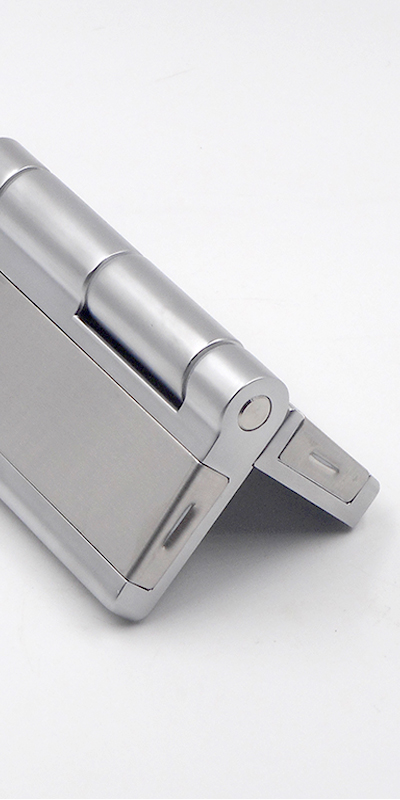
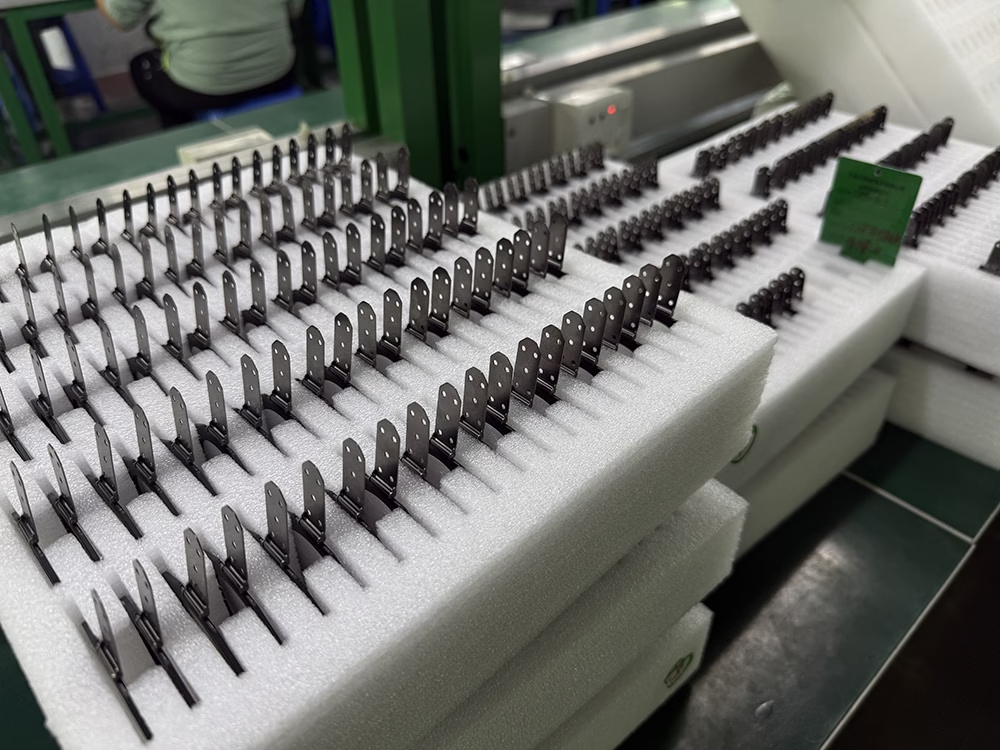
A concealed torque hinge combines two functions inside one integrated hinge body. The first function is concealed mounting. The hinge sits inside the enclosure or panel structure, so the external surface remains clean and protected. The second function is controlled torque. Instead of letting the door swing freely, the hinge creates resistance that helps the panel stay where the operator leaves it.
This matters far more in industrial equipment than many buyers first expect. A standard free swinging hinge can be acceptable on a simple access cover, but it often becomes a problem on a large service panel, electrical enclosure, test chamber door, or machine guard. When the panel opens too quickly or closes under its own weight, the user loses control. I have found that many field complaints described as poor door feel are actually torque selection failures. If your team is still comparing this product category with broader industrial concealed hinges, the key difference is the controlled holding function rather than concealment alone.
Concealed mounting also changes the design logic around protection and appearance. Because the hinge body is shielded inside the product, it is less exposed to washdown splash, accidental impact, and external contamination. For equipment makers selling into premium industrial markets, this cleaner outer surface also improves the overall machine impression without adding a separate cosmetic cover solution.
Why It Matters
The first value of a concealed torque hinge is stable movement. A properly selected hinge makes the door feel intentional through the full motion path. The panel does not fall open at the first few degrees, and it does not slam shut when the operator releases it. That control is especially useful in compact equipment where maintenance staff may need one hand for tools and the other for the access panel.
Safety is the next reason engineers specify this hinge style. A panel that stays in place reduces the chance of hand injury, cable snagging, and collision with adjacent parts. Take my advice here. Do not evaluate safety only at full open position. Many real problems happen in the middle of the swing path, where poor torque matching can make the panel surge or drift just when the user is reaching into the equipment.
The clean exterior is not just a visual preference. External hardware can catch on packaging, carts, gloves, and nearby structures. In food equipment, laboratory devices, and electronic housings, exposed hinge geometry can also collect dirt more easily. A concealed layout helps designers maintain a controlled outer envelope while protecting the hinge from unnecessary abuse.
How to Choose
Choosing the right concealed torque hinge starts with panel weight, panel size, and center of gravity. Buyers often focus only on weight, but weight alone is not enough. A narrow heavy panel and a wide lighter panel can create very different moments around the hinge axis. My recommendation is to calculate the actual moment arm and compare it with the usable torque range across the intended opening angles. If you skip that step, the hinge may look correct on paper but still feel wrong in use.
Opening angle is the next critical check. Some applications need the door to hold at several service positions, while others only need smooth motion with a defined full open stop. If the equipment sits against a wall or near another panel, the door path must be reviewed early. I have seen projects lose weeks because the hinge could produce the required torque but forced an access door into a cable route or latch envelope that had never been validated in the assembled product.
Mounting space deserves the same level of attention. Concealed hinges save external space, but they consume internal volume and require accurate bracket geometry. Thin sheet metal, poor welding control, and uneven mounting pads can shift the hinge axis enough to create binding. That is why I always treat installation tolerance as part of hinge selection rather than as a later assembly issue. A good hinge cannot rescue a weak mounting structure.
Material and surface finish depend on the true operating environment. Stainless steel is often chosen for corrosion resistance, but not every application needs the same grade or surface treatment. Indoor electrical enclosures, transport equipment, marine related systems, and test devices all place different demands on wear surfaces and fastener interfaces. When the environment includes vibration, humidity, or cleaning chemicals, buyers should ask for cycle data and corrosion logic together rather than reviewing each item in isolation.
| Selection factor | What to confirm | Common mistake |
|---|---|---|
| Torque capacity | Match real panel moment and motion feel | Using door weight alone |
| Opening range | Check service angle and hold positions | Ignoring nearby obstructions |
| Mounting layout | Review bracket stiffness and tolerance | Assuming flat sheet metal stays flat |
| Material choice | Compare corrosion and wear exposure | Over specifying or under specifying grade |
Common Problems
Torque mismatch is the most common failure source. If torque is too low, the panel drifts, drops, or refuses to stay in the desired service position. If torque is too high, the door feels heavy, users force the motion, and mounting points take unnecessary stress. In both cases, the hinge is blamed first, even when the deeper issue is that the panel moment was never calculated correctly. Buyers who are also reviewing constant torque hinges should compare not only holding force but also angle behavior and operator feel in the actual enclosure layout.
Misalignment is the next problem I would watch closely. Concealed hinge systems are far less forgiving than many exposed hinge layouts because the motion path is more dependent on internal geometry. A small axis error can create rubbing, abnormal noise, uneven wear, and local deformation around fasteners. These are not cosmetic issues. Once wear begins on one side of the motion path, torque feel becomes inconsistent and long term life drops quickly.
Mounting weakness can destroy an otherwise capable hinge. I have found that some equipment makers specify a good hinge and then attach it to sheet sections that are too thin or poorly reinforced. After repeated opening cycles, the structure around the hinge shifts, the door sag increases, and the latch line goes out of position. At that stage, replacing the hinge alone will not solve the field problem because the support structure has already lost stability.
Wear over time is also misunderstood. Buyers often ask for cycle life as if it were a single number with universal meaning. In reality, life depends on load, speed, environmental contamination, side loading, and installation quality. A hinge tested under clean bench conditions may behave very differently in a vibrating machine with dust, heat, and frequent operator contact. Real durability should be judged in the application context, not just from a generic catalog value.
Key Design Checks
The first design check is the full door path. Review the motion from fully closed to fully open, including cable loops, seals, locks, handles, and operator hand position. A door that clears all parts at full open may still interfere halfway through rotation. This kind of hidden interference is one of the main reasons prototype doors feel worse than the initial design review suggested.
The second check is part interaction under real assembly conditions. Seals add compression load. Latches pull the panel into position. Internal wiring limits the available opening range. All of these factors change the actual force the hinge must manage. If your team validates the hinge without these surrounding loads, your torque decision is incomplete from the start.
The third check is real load testing rather than nominal load testing. Use the actual panel material, actual hardware stack, and actual mounting method. Then cycle the assembly in the orientation it will see in service. This is where buyers discover whether the hinge maintains stable resistance, whether the bracket creeps, and whether the panel remains aligned after repeated use. That evidence is much more valuable than a simple bench demonstration. In large access panels, teams that are evaluating adjustable torque hinges should test adjustment range under full panel load, not just at the bench.
Supplier Evaluation
When you evaluate a supplier, start with torque consistency and test method. Ask how torque is measured, across which angle range, and under what conditions. A supplier that cannot explain this clearly is asking you to accept a hidden risk. The same rated value can feel very different depending on test setup, production tolerance, and lubrication strategy.
Drawing support is equally important for custom equipment programs. Most industrial buyers do not need a supplier that only sends a catalog page. They need a partner that can review bracket geometry, mounting clearances, and door motion before tooling decisions are locked. This is especially important when the concealed torque hinge must fit a non standard enclosure, a narrow service space, or a panel with strict appearance requirements. Buyers who also source related products such as a heavy duty industrial hinge or a detachable industrial hinge usually benefit from working with a supplier that understands the full hinge system rather than one isolated part.
Sample control and production stability should be reviewed before volume ordering. A fast sample is useful, but repeatability matters more. Ask whether the supplier can maintain torque performance, dimensional consistency, and surface treatment quality across batches. If the application is exposed to moisture or aggressive environments, buyers should also ask how material grade, shaft wear, and surface treatment decisions affect long term corrosion resistance.
The most reliable suppliers help buyers convert requirements into valid drawings and realistic test plans. That shortens development time and reduces the usual back and forth that causes project delay. For industrial programs, that engineering support is often more valuable than a small unit price difference.
Choose a concealed torque hinge by matching real panel behavior, installation conditions, and service risk rather than relying on catalog labels alone. The right decision improves safety, panel control, and long term equipment reliability.
At IHINGES, we focus on custom industrial hinge solutions for equipment makers who need clear technical communication, drawing support, and stable production for long term projects. If your team is evaluating a concealed torque hinge for a new panel or enclosure program, we can help review the structure and recommend a practical hinge direction.